
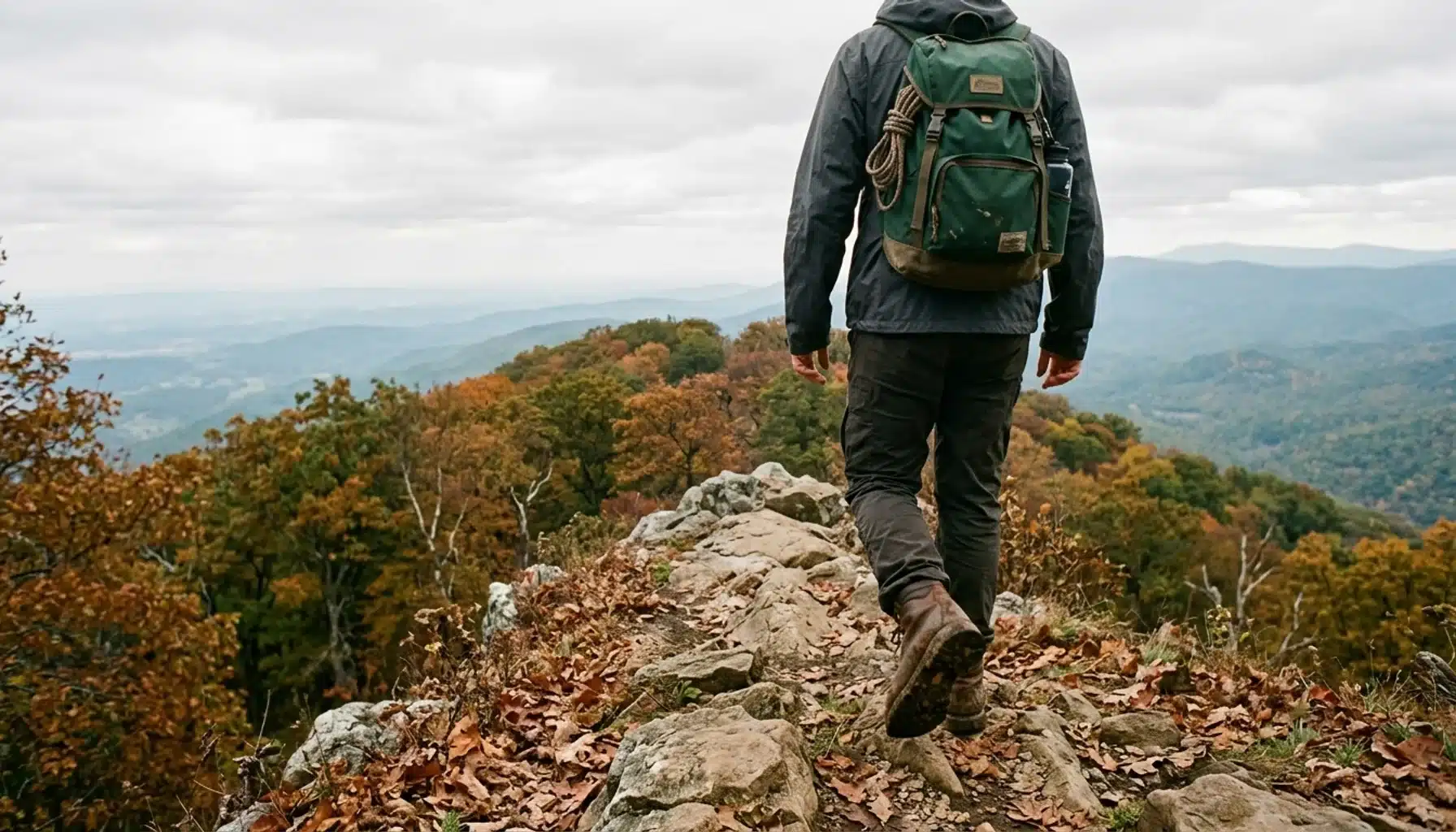
Shenandoah National Park contains more than 500 miles of hiking trails spread across 196,000 acres of Virginia’s Blue Ridge Mountains, ranging from flat, accessible loops that take under an hour to multi-day backcountry routes requiring advance permits. Whether you want a waterfall hike you can finish before lunch or a full-day ridge climb with panoramic views, the park’s trail network delivers more variety than most people expect from a single destination. The official NPS recommended day hike list organizes routes by length, theme, and difficulty, and it is the best starting point for any planning session.
- According to the U.S. National Park Service, Shenandoah has over 500 miles of trails categorized as short (0-2 miles), medium (3-6 miles), and long (7+ miles).
- The most popular trails include Stony Man (1.6 miles round trip, easy), Dark Hollow Falls (1.6 miles, moderate), and Whiteoak Canyon (4.6 miles one-way, strenuous).
- Old Rag Mountain requires a timed-entry day-use permit, which sells out weeks in advance on peak weekends; book on Recreation.gov as early as possible.
- October draws approximately 24% of Shenandoah’s entire yearly visitor traffic, making it the most crowded month; spring (late April through May) offers wildflowers and far smaller crowds.
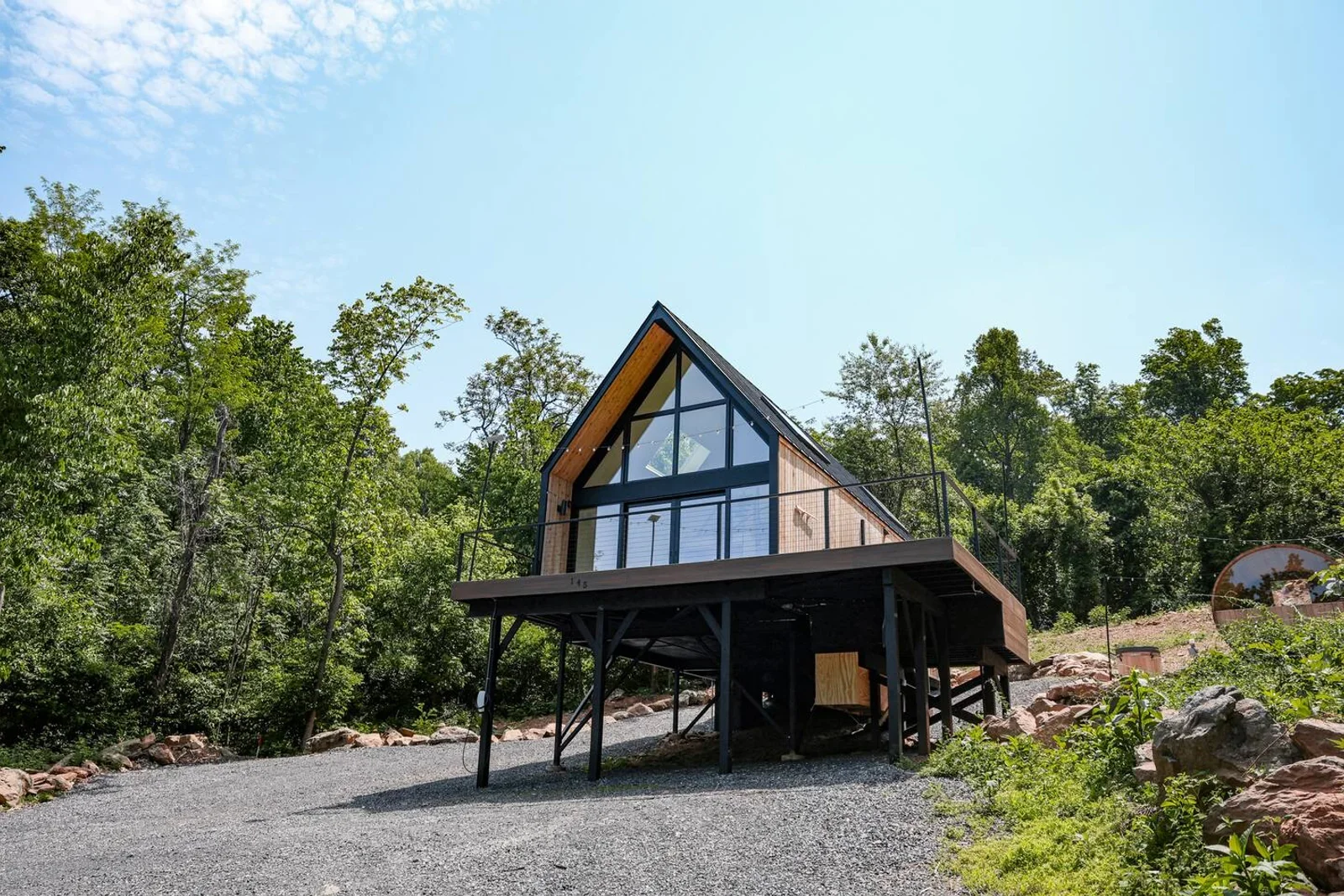
- Royal Oak Retreat, a luxury wellness cabin in Shenandoah Farms, sits roughly 40 minutes from Skyline Drive and makes a practical, comfortable base for day hikes into the park.
- Dogs are permitted on 480 of the park’s 500 miles of trails, according to Delaware North Parks and Resorts at Shenandoah, making it one of the most dog-friendly national parks in the East.
Planning a hiking trip to Shenandoah in 2026 requires more preparation than it did five years ago. Timed-entry permits for Old Rag, crowded trailhead parking lots that fill before 9am on fall weekends, and a trail network large enough to overwhelm first-timers mean that a little advance research pays off significantly. This guide covers the trails worth prioritizing, the ones that disappoint relative to their reputation, the permit logistics most visitors get wrong, and the seasonal windows that make a genuine difference in your experience.
The information here draws on Shenandoah National Park’s official NPS resources, verified trail data, and the kind of practical detail that makes the difference between a frustrating crowd experience and a morning on an empty ridge. If you are staying near Front Royal or Linden and using the park for day hikes, the western approach via Skyline Drive gives you access to the full northern and central sections without driving through the Luray entrance.
What Is the Most Popular Hike in Shenandoah National Park?
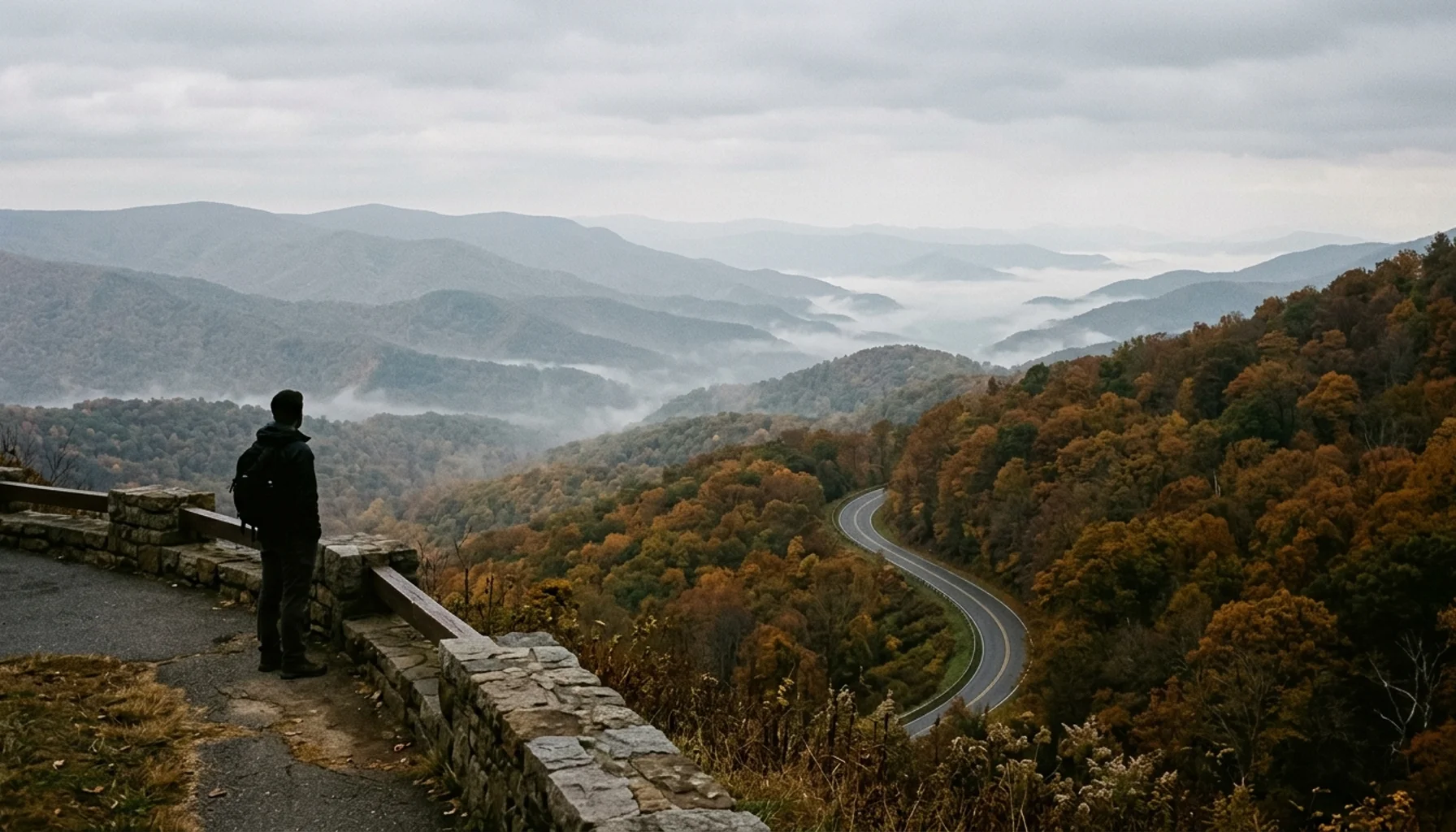
Stony Man Trail is widely considered the most popular hike in Shenandoah National Park. The trail is a 1.6-mile loop (2.6km total) that begins along the Appalachian Trail from the northern Skyland parking lot and reaches one of the park’s most dramatic rocky outcrops, facing west toward the full sweep of the Blue Ridge Mountains. The loop forks at roughly 0.6 miles (1km) where you begin the summit circuit.
What makes Stony Man worth prioritizing is the effort-to-reward ratio. The summit elevation gain is modest, the trail surface is manageable for most fitness levels, and the viewpoint is genuinely impressive: a rocky outcrop with no safety rails, looking west over ridgeline after ridgeline. No guardrails means no crowds pressing against a fence. You stand on open rock with the valley below you.
One honest caveat: wildlife encounters are frequent here. Black bears, including mothers with cubs, have been reported within 30 feet of the trail. Carry bear spray and make noise when moving through dense vegetation. The Harry F. Byrd Sr. Visitors Center staff post current wildlife activity updates, and it is worth checking before you start. For trail stats, current conditions, and user-reported notes, see the Stony Man Trail on AllTrails.
Arrive at the Skyland parking lot before 9am on any weekend between late September and early November. By mid-morning the lot is typically full, and late arrivals either turn around or walk half a mile from an overflow area. On a Tuesday in May, you may have the viewpoint to yourself for ten minutes.
Are There Easy Hikes in Shenandoah National Park?
Shenandoah National Park has several genuinely easy hiking trails suitable for casual walkers, older adults, and guests with limited mobility. The clearest example is Limberlost Trail, a 1.3-mile flat loop (2.1km) on a manicured gravel pathway through old-growth hemlock forest. According to trail data, it can be completed in under 45 minutes and is described as stroller-friendly, making it one of the most accessible options in the park.
Limberlost is also the trail most people overlook because it sounds too simple. The gravel path is wide enough for side-by-side walking, the elevation change is negligible, and the hemlock canopy creates shade even in July. The Limberlost Trail on AllTrails has current navigation data and user accessibility notes if you want to plan around specific mobility requirements.
Millers Head Trail offers a different kind of easy: it is 0.8 miles (1.3km) one-way to a lookout structure, all of it downhill on the way out. Parking is at the Skyland Amphitheater, and the trailhead is a short walk back up the road. The lookout itself has high cement walls on all sides, which makes it wind-protected but less dramatic than open rock viewpoints. It is a solid choice for anyone who wants a short walk with a clear destination but is not comfortable on exposed ridgelines.
Blackrock Summit Trail, in the park’s southern section, begins at the Blackrock Summit parking lot along Skyline Drive. The Blackrock Summit Trail NPS description lists it at approximately 1 mile round trip with 175 feet of elevation gain, which qualifies as short and manageable. The summit is a field of large quartzite boulders with long views in multiple directions, and it receives far less traffic than Stony Man despite offering comparable scenery.
What Is the Best Waterfall Trail in Shenandoah National Park?
Dark Hollow Falls Trail is the best short waterfall hike in Shenandoah National Park for most visitors. The trail is 1.6 miles (2.6km) total, with the first half descending just over 0.6 miles (1km) to the waterfall itself. The trailhead sits a few minutes’ drive from the Harry F. Byrd Sr. Visitors Center, making logistics straightforward. The falls drop approximately 70 feet over dark greenstone rock, and the surrounding forest amplifies the sound considerably.
The honest issue with Dark Hollow Falls is the return trip. What goes down must come back up, and the uphill return on a warm afternoon with tired legs is steeper than the posted difficulty suggests. Start early, carry water, and budget extra time on the way back. Trail data and current user conditions are on the Dark Hollow Falls Trail on AllTrails. The NPS official trail description provides the authoritative baseline for distance and difficulty rating.
For visitors who want more than one waterfall in a single day, Whiteoak Canyon Trail is the right choice. The full trail runs approximately 4.6 miles (7.6km) one-way with 2,400 feet of elevation gain from the valley floor to Skyline Drive, but you do not need to hike the full length to see the first two falls. The lower parking lot to the first waterfall is roughly 1.6 miles (2.5km) one-way with only about 390 feet (120m) of elevation gain. The trail follows the Robinson River and passes multiple waterfalls ranging in height from 35 to 86 feet.
One logistical note that most guides skip: the Whiteoak Canyon lower parking lot was reportedly nearly full by 8:45am during peak season. Private homeowners nearby have historically charged around $10 for overflow parking. A 7-day vehicle pass for Shenandoah can be purchased at a ticket booth at the Whiteoak Canyon trailhead; alternatively, you can buy a Shenandoah entrance pass online in advance to skip the gate line. The Whiteoak Canyon Trail on AllTrails has current photos and recent visitor notes on conditions.
What Should You Know About Old Rag Mountain Before You Go?
Old Rag Mountain is Shenandoah National Park’s most demanding and most celebrated day hike. The route involves a genuine rock scramble near the summit, with hand-over-hand climbing through granite boulders that surprises many visitors who approach it expecting a standard trail. As of 2026, Old Rag requires a timed-entry day-use permit on Fridays, Saturdays, Sundays, and holidays between March 1 and November 30.
Permits sell out weeks in advance on peak weekends. The Potomac Appalachian Trail Club notes that Old Rag’s popularity has steadily increased, and the permit system was introduced to manage trail damage and overcrowding. Book through Recreation.gov as early as the booking window opens. If your dates are flexible, weekday permits remain available much closer to your visit date, and the trail is noticeably quieter on a Wednesday than on any Saturday in October.
The full Old Rag circuit is approximately 9 miles with around 2,800 feet of elevation gain, and the rock scramble section typically takes experienced hikers 45 minutes to navigate. Plan for a full day: allow 6-8 hours depending on pace and time spent at the summit. Bring more water than you think you need. The descent via the fire road is long but gradual. Trekking poles make the descent significantly easier on the knees.
One thing most guides do not mention: the rock scramble is not dangerous for healthy adults with decent balance, but it is genuinely difficult for anyone with knee problems, fear of heights, or upper-body limitations. If a member of your group has any of these concerns, Stony Man or Blackrock Summit will give you comparable Blue Ridge views without the technical section.
When Is the Best Time to Hike Shenandoah’s Trails?
The best time to hike Shenandoah National Park’s trails depends on what you are optimizing for: October delivers the most dramatic foliage but also the heaviest crowds, while late April through May offers spring wildflowers, mild temperatures, and significantly smaller visitor numbers. According to the Shenandoah Valley Travel Association, October accounts for approximately 24% of the park’s yearly visitor totals, making it the single busiest month of the year.
Spring (late April to early June) is the period most experienced Shenandoah hikers prefer. Trillium, wild ginger, and Virginia bluebells bloom along lower-elevation trails. Temperatures stay in the 50-65°F range on most days, which is ideal for strenuous hikes like Old Rag or the full Whiteoak Canyon route. Parking lots at major trailheads rarely fill before 10am during the week, and even weekend mornings are manageable before 8am. The Festival of Spring in Luray in May adds a regional event worth timing a visit around if you are staying in the area.
Summer (July and August) brings heat and humidity that make any hike above 3,000 feet feel more strenuous than the trail rating suggests. Start before 7am and plan to be back at your car by noon. The higher-elevation trails like Stony Man and Hawksbill Summit are more comfortable than valley-floor routes in summer because temperatures drop noticeably with elevation. Carry at least 2 liters of water per person for any hike over 3 miles.
Winter hiking in Shenandoah is underrated and genuinely different in character. Leafless trees open up sightlines that vegetation hides from May through October. Summit views on a clear February day extend further than any fall afternoon. The risk is ice on north-facing slopes and exposed rock faces; traction devices (microspikes) are essential from December through March on any trail above 3,500 feet. Skyline Drive closes in sections during and after significant snowfall, so check road conditions via the NPS before driving up.
What Are the Best Backcountry and Overnight Hiking Options?
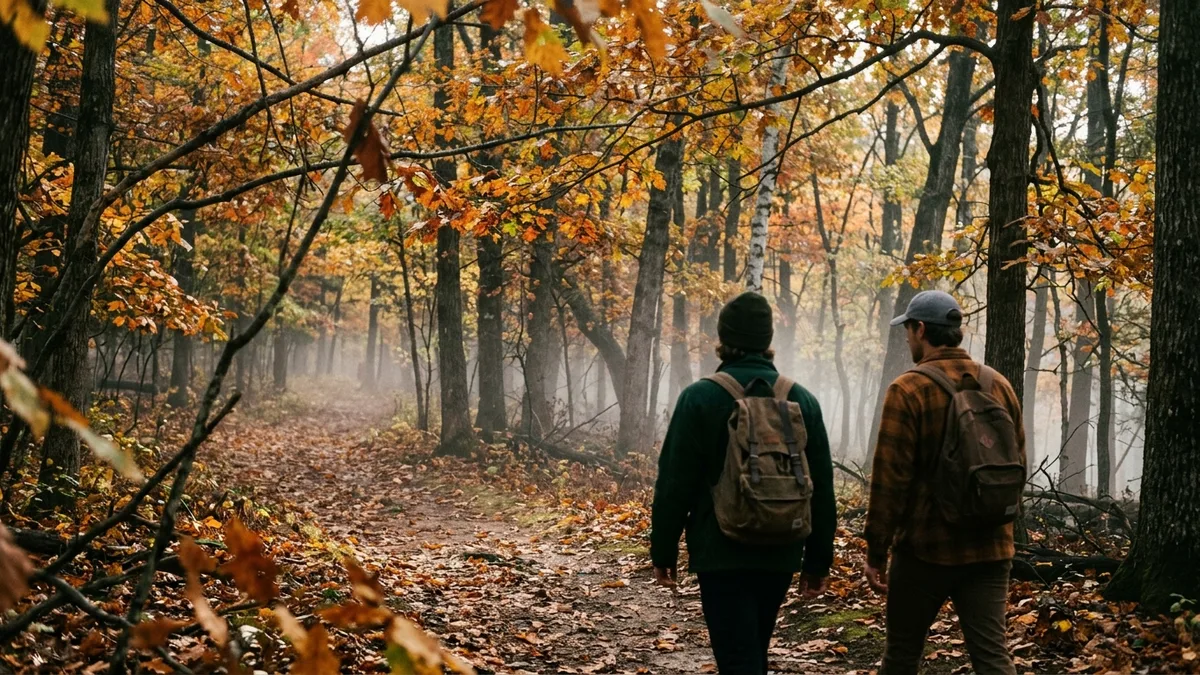
Backcountry and overnight hiking in Shenandoah National Park refers to camping along the park’s trail network with a free backcountry camping permit, which can be obtained at any visitor center or self-issued at designated trailheads. Shenandoah is one of the few national parks where dispersed backcountry camping is permitted without a site-specific reservation, provided campers stay at least 250 feet from any trail, road, or stream.
The Appalachian Trail runs the entire length of Shenandoah, covering approximately 101 miles through the park. Thru-hikers and section hikers use the park’s AT shelters, which are first-come, first-served and occasionally full during spring and fall peak weeks. The Potomac Appalachian Trail Club (PATC) maintains six primitive backcountry cabins inside Shenandoah that can be reserved through their PATC primitive cabin reservation page. These are genuinely rustic structures with wood stoves and outhouses, not glamping facilities, and they book months ahead for October weekends.
For a multi-day loop without a summit permit or complex planning, the Appalachian Trail between Thornton Gap and Swift Run Gap offers roughly 35 miles of ridge walking with several primitive camping areas, reliable water sources at stream crossings, and the kind of sustained quiet that a day hike cannot replicate. Most hikers cover this section over 3-4 days. The Shenandoah National Park Official Maps page on NPS.gov is the right place to download topographic and trail maps before any overnight trip.
Is Shenandoah Safe for Dogs on the Trail?
Shenandoah National Park is one of the most dog-friendly national parks in the eastern United States. According to Delaware North Parks and Resorts at Shenandoah, dogs are permitted on 480 of the park’s more than 500 miles of trails, meaning the vast majority of routes are open to leashed pets. Dogs must be kept on a leash no longer than 6 feet at all times.
The trails closed to dogs are primarily those leading through the park’s most sensitive wildlife areas and to a small number of specific summits. Before setting out, confirm your planned route is dog-friendly using the Things To Do page on the NPS official site, which flags trail-specific restrictions.
Practical notes for trail hiking with dogs in Shenandoah: bring more water than you think your dog needs, particularly on warm days above 70°F. Black bears are frequently encountered along forested trails, and a dog that pulls toward wildlife on a leash creates a genuine safety issue. Keep your dog close on the Stony Man and Whiteoak Canyon trails specifically, where bear encounters are regularly reported.
If you are staying at Royal Oak Retreat in Shenandoah Farms, the cabin is pet-friendly and welcomes one dog under 50 lbs with a $100 pet fee. The surrounding forest provides immediate off-trail walking, and the cabin is roughly 40 minutes from Skyline Drive, making it a practical base for a hiking trip that includes your dog. The forested setting means your pet can decompress between trail days without needing a separate outdoor area.
What Should You Know Before Hiking in Shenandoah? Safety and Practical Tips
Hiking Shenandoah National Park’s trails is safe for most adults with reasonable preparation, but several genuine hazards require specific awareness. The following applies to the park’s terrain, climate, and wildlife in 2026.
Black Bears: Black bears are common throughout Shenandoah and are not considered aggressive by default, but mother-and-cub encounters at close range have occurred on multiple popular trails including Stony Man. Make noise on the trail, especially when moving through dense vegetation or near stream banks. Carry bear spray and know how to use it. Never approach a bear, and keep all food in bear-canister-compatible storage when camping overnight.
Lightning and Afternoon Storms: Shenandoah’s exposed ridgelines, including the Hawksbill and Stony Man summits, are dangerous during thunderstorms. Summer afternoon storms typically build between 2pm and 5pm. If you see anvil-shaped clouds building to the west while on an exposed summit, descend immediately. The rule of thumb on Shenandoah ridges: if you can hear thunder, you are already within lightning range.
Elevation and Exertion: Shenandoah’s highest trails top out around 4,000 feet. This is not extreme altitude, but it adds exertion to any hike, particularly for visitors accustomed to sea-level activity. If you arrive from a coastal city for a weekend hike, add 15-20% extra time to your estimated pace on hikes above 2,500 feet. The Whiteoak Canyon full route and Old Rag are the two trails where visitors most commonly underestimate the physical demand.
Ticks: Deer ticks carrying Lyme disease are present throughout the park from March through November. Wear long socks, use permethrin-treated clothing or DEET on exposed skin, and check thoroughly after every hike. This is the safety issue that Shenandoah guides most consistently underplay.
Water on the Trail: Most stream water in Shenandoah is reasonably clean but should be treated before drinking. Carry a filter or iodine tablets if you plan a hike longer than 5 miles. Never drink directly from a stream regardless of how clear it appears.

How Do You Plan a Full Day of Hiking in Shenandoah’s Trails?
Planning a full day of hiking in Shenandoah National Park’s trail network works best when you combine one anchor hike of medium difficulty with one short hike rather than attempting multiple long trails in sequence. Most visitors who try to stack three or four hikes in a single day arrive exhausted at the third one and rush through it, which misses the point entirely.
A well-structured full day from the northern section might look like this: arrive at the Skyland parking lot by 8am and complete the Stony Man loop (1.6 miles) while the lot is still half-empty and the morning light is on the west-facing viewpoint. Then drive south on Skyline Drive 15 minutes to the Limberlost parking area and walk the flat loop (1.3 miles) through the hemlocks as a recovery trail before lunch. The Skyland Lodge dining room is a genuine option for a mid-day stop; it sits at mile 41.7 on Skyline Drive and serves lunch with ridgeline views.
For a central-section full day focused on waterfalls: arrive at the Whiteoak Canyon lower parking lot before 8:30am, hike to the first waterfall and back (3.2 miles, under 2 hours at a moderate pace), then drive to the Dark Hollow Falls trailhead near the Harry F. Byrd Sr. Visitors Center for the afternoon. Check the Harry F. Byrd Sr. Visitors Center on Google Maps for directions and current operating hours before setting out.
If you are staying at Royal Oak Retreat in Shenandoah Farms, 40 minutes from Skyline Drive, leaving the cabin by 7am puts you at most northern and central trailhead parking lots ahead of the weekend rush. That early start matters more than almost any other logistical decision you will make for a Shenandoah hiking trip.
Trail Comparison: Shenandoah National Park’s Top Hiking Routes
The following table compares the key hiking trails in Shenandoah National Park by distance, elevation gain, difficulty, and what each trail is best suited for. Use it as a quick reference for matching a trail to your group’s fitness level and interests.
| Trail Name | Distance | Elevation Gain | Difficulty | Best For | Key Note |
|---|---|---|---|---|---|
| Stony Man Trail | 1.6 mi loop | Moderate | Easy-Moderate | Panoramic views, accessible summit | Lot fills before 9am on fall weekends |
| Dark Hollow Falls | 1.6 mi RT | 440 ft | Moderate | Waterfall, short hike | Steep return uphill; start early |
| Whiteoak Canyon (lower) | 3.2 mi RT | ~390 ft | Moderate | Multiple waterfalls, scenery | Parking fills by 8:45am peak season |
| Whiteoak Canyon (full) | ~9.2 mi RT | 2,400 ft | Strenuous | All-day waterfall hike | Requires full day and strong fitness |
| Limberlost Trail | 1.3 mi loop | Minimal | Easy | Accessibility, strollers, older adults | Flat gravel path; under 45 minutes |
| Millers Head Trail | 1.6 mi RT | Gentle | Easy | Lookout views, short walk | Downhill out, uphill return; walled lookout |
| Blackrock Summit | 1 mi RT | 175 ft | Easy | Quartzite summit, southern section | Less crowded than northern trails |
| Old Rag Mountain | ~9 mi circuit | ~2,800 ft | Strenuous | Rock scramble, iconic summit | Timed-entry permit required; books weeks ahead |
| Upper Hawksbill Summit | ~2.1 mi RT | ~520 ft | Moderate | Highest peak in the park (4,051 ft) | Exposed summit; descend in storms |
For accessible trail information and navigation, the Shenandoah National Park Official Maps page and the NPS recommended day hikes directory are the two most useful planning resources.
Frequently Asked Questions About Hiking Trails in Shenandoah National Park
How many hiking trails does Shenandoah National Park have?
According to the U.S. National Park Service, Shenandoah National Park has more than 500 miles of hiking trails across its 196,000-acre boundary. The NPS categorizes these routes by length (short: 0-2 miles; medium: 3-6 miles; long: 7+ miles) and by theme, including waterfall hikes, birdwatcher routes, trails for avoiding crowds, and the dedicated Old Rag category. As of 2026, the full trail directory is available on the official NPS day hike page.
Do you need a permit to hike in Shenandoah National Park?
Most hiking trails in Shenandoah National Park do not require advance permits beyond the standard park entrance fee. The exception is Old Rag Mountain, which requires a timed-entry day-use permit on Fridays, Saturdays, Sundays, and holidays between March 1 and November 30. Permits are available through Recreation.gov and sell out weeks in advance during peak season. Backcountry overnight camping requires a free permit obtainable at visitor centers or trailhead kiosks.
What is the easiest hike in Shenandoah National Park?
Limberlost Trail is the easiest hike in Shenandoah National Park for most visitors. It is a 1.3-mile flat loop on a wide gravel path through old-growth hemlock forest, with minimal elevation change and a surface suitable for strollers and wheelchairs. The loop can be completed in under 45 minutes at a relaxed walking pace. Blackrock Summit Trail (1 mile round trip, 175 feet of gain) is another low-effort option in the park’s southern section.
Are dogs allowed on Shenandoah National Park hiking trails?
Yes, dogs are permitted on 480 of Shenandoah’s 500-plus miles of trails, according to Delaware North Parks and Resorts at Shenandoah. Dogs must remain on a leash no longer than 6 feet at all times. The trails closed to pets are typically those in the most ecologically sensitive areas. Check the NPS Things to Do page for specific trail-by-trail restrictions before your visit, particularly if you plan to hike in the park’s wilderness zones.
What should I bring for a day hike in Shenandoah?
For any day hike in Shenandoah National Park, bring at least 2 liters of water per person, a trail map (downloaded offline since cell service is unreliable on many trails), bear spray, and tick repellent. Wear closed-toe shoes with ankle support; trail runners or light hiking boots are appropriate for most routes, while Old Rag’s rock scramble benefits from boots with a stiffer sole. A light waterproof layer handles afternoon weather changes across all seasons.
When should I avoid hiking in Shenandoah National Park?
October weekends are the period to avoid if your priority is uncrowded trails, as October accounts for roughly 24% of the park’s annual visitor total. Saturday and Sunday mornings between late September and mid-November see trailhead parking lots at popular spots like Stony Man and Whiteoak Canyon fill before 9am. If you are visiting in October, plan either a Tuesday-to-Thursday visit or arrive at trailheads before 7:30am. Summer afternoons above treeline also carry genuine lightning risk that should be factored into any planning for exposed summit hikes.
Where is a good base for hiking Shenandoah National Park’s trails?
Staying near Front Royal or Linden, Virginia puts you roughly 40 minutes from Skyline Drive and the northern section of Shenandoah National Park, which contains several of the most popular trail starting points including Stony Man and the Whiteoak Canyon trailhead. Royal Oak Retreat, a luxury wellness cabin located in Shenandoah Farms, offers direct forest access alongside amenities like a private outdoor hot tub and sauna that make post-hike recovery genuinely restorative rather than just comfortable. The cabin is pet-friendly and accommodates up to four guests.
Is Old Rag Mountain too difficult for beginners?
Old Rag Mountain is not recommended for first-time hikers or for anyone with significant knee, shoulder, or balance limitations. The approximately 9-mile circuit includes a sustained rock scramble near the summit requiring hand-over-hand climbing through boulders. For healthy adults with regular exercise routines but no previous technical hiking experience, it is achievable with proper preparation, an early start, and realistic time estimates of 6-8 hours. A timed-entry permit is required on peak-season weekends and books out weeks in advance through Recreation.gov.
Planning Your Shenandoah Hiking Trip in 2026
Shenandoah National Park’s trail network rewards preparation more than any other factor. The park’s 500-plus miles of routes, according to the U.S. National Park Service, span every difficulty level and season, but the combination of a growing visitor base and the timed-entry permit system at Old Rag means that spontaneous visit planning increasingly results in closed lots, sold-out permits, and a frustrating experience on what should be one of the most accessible national parks in the country.
The practical priorities: secure an Old Rag permit as early as Recreation.gov allows if you want that trail. Choose spring or fall weekdays if you want the trails to feel like wilderness rather than a busy park. Plan a trail pairing strategy rather than a solo all-day slog. And pick your base carefully: proximity to Skyline Drive matters more than most travelers realize until they have driven 45 minutes in foggy mountain conditions before a morning hike.
For further planning, the Royal Oak Retreat complete guide to Shenandoah Valley National Park covers park logistics, entrance fees, and seasonal tips alongside accommodation options in the Front Royal area. The Visit Shenandoah Valley official tourism site provides regional event calendars and travel planning resources maintained by the Shenandoah Valley Travel Association.

If you are planning a hiking-focused stay and want a base that does the recovery work for you after a long day on the trail, Royal Oak Retreat in Shenandoah Farms sits approximately 40 minutes from Skyline Drive with a dedicated contrast-therapy island: a Scandinavian-style sauna, cold plunge, and sunken outdoor hot tub designed for exactly the kind of muscle recovery a full day on Whiteoak Canyon or Old Rag demands. The cabin takes up to four guests, welcomes one dog under 50 lbs, and includes an on-site EV charger alongside Starlink internet for guests who need connectivity between trail days. Check availability and book direct here.
Content powered by inkSTR.co