
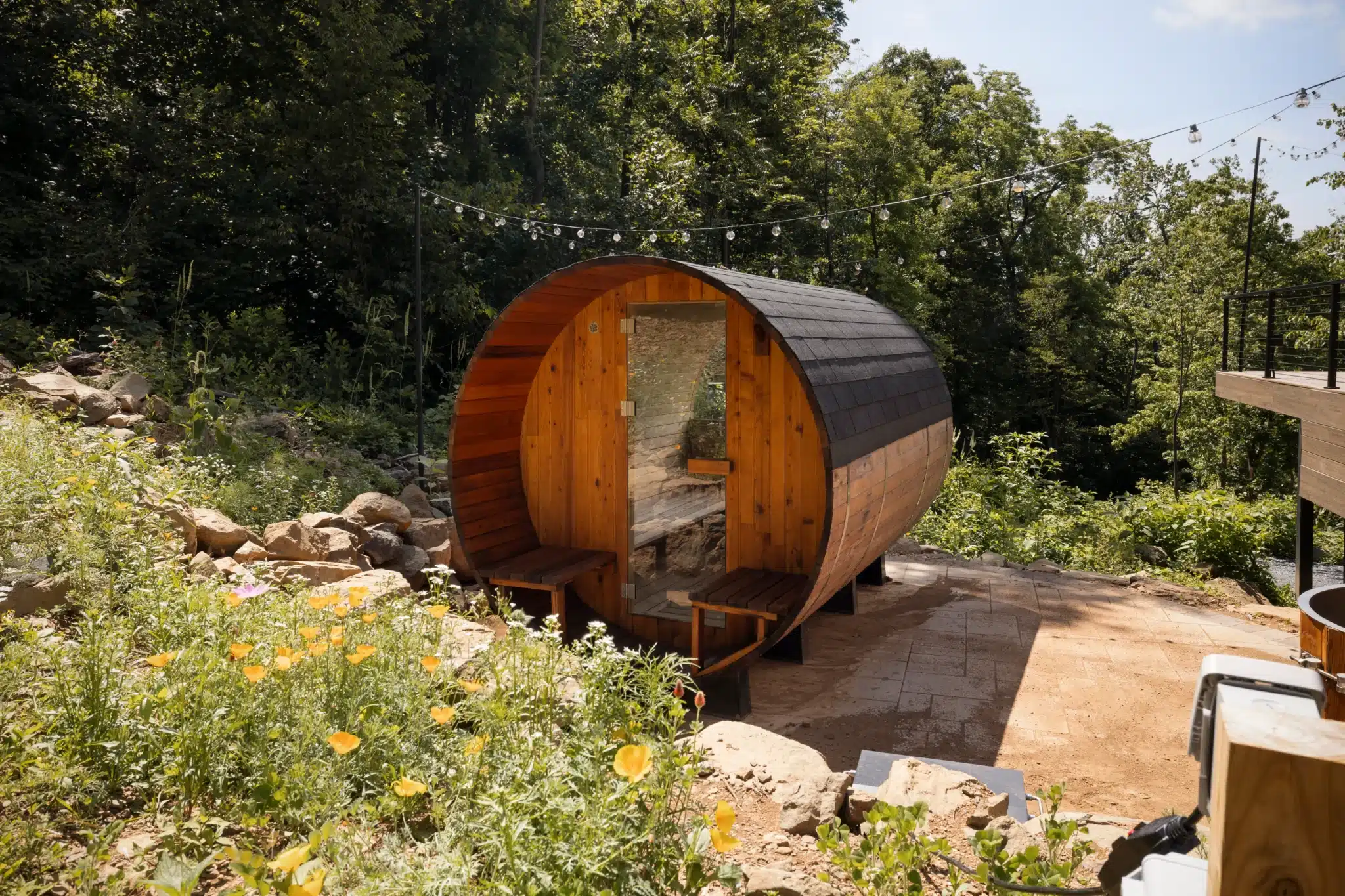
Vacations for singles over 40 in the US work best when you match travel style to what you want out of the trip: a walkable city full of restaurants and museums, a wellness retreat built around rest, or a small-group tour with a built-in social structure. There is no single “best” destination; there’s a best fit for your pace, budget, and tolerance for solitude versus structure.
Key Takeaways
- Solo-friendly US cities like Washington D.C., Boston, Chicago, and Charleston rank highly for walkability, restaurant culture, and independent activities.
- Shoulder-season travel (April to May, September to October) typically means fewer crowds, better rates, and milder weather across most US destinations.
- Wellness retreats and contrast-therapy stays, like Royal Oak Retreat in Virginia’s Shenandoah Valley, offer an alternative to city trips for singles who want restoration over sightseeing.
- Escorted group tours from operators like Trafalgar and Solos add structured socializing for travelers who don’t want to plan or eat alone every night.
- Virginia drew 46.6 million overnight visitors in 2026 and generated $36.2 billion in visitor spending, according to the Virginia Tourism Corporation, with the Shenandoah Valley cited as one of the state’s strongest regional lodging markets through 2026.
- Shenandoah National Park logged 1.7 million visitors in 2026 and $132 million in nearby community spending per National Park Service data, and rewards early starts and off-peak timing.
If you’re over 40 and single, planning a solo or independent trip in 2026 looks different than it did at 25. You’ve likely got more disposable income and a clearer sense of what actually relaxes you versus what just fills an itinerary. That’s an advantage, not a limitation to work around.
This guide breaks down where to go, how to choose between independent travel and a structured group trip, and what nobody tells you about eating, sleeping, and socializing alone in your 40s, 50s, and beyond. It covers practical planning details most destination roundups skip: realistic budgets, safety-by-city notes, and the difference between a singles retreat and simply traveling solo.
Whether you’re craving a buzzing restaurant scene or a quiet mountain reset, the goal here is the same: match the trip to the actual outcome you want, not the destination everyone else recommends.
What Are the Best Vacation Destinations for Singles Over 40?
The best vacation destinations for singles over 40 in the US combine walkability with a strong independent dining scene, plus enough going on that you’re never stuck waiting for a group. Washington D.C., Charleston, Santa Fe, and Sedona each hit this mark differently: one through culture and transit, the others through arts, pace, and scenery.
KAYAK’s ranking, built with OpenTable dining data, places Washington D.C. at the top of its 15 best US solo-trip destinations, followed by Boston, Chicago, Atlanta, and Salt Lake City. D.C. works particularly well if you’re over 40: the Smithsonian museums are free, and the Metro makes late dinners low-stress. Neighborhoods like Dupont Circle and Shaw have counter-seating restaurants where solo diners don’t feel out of place.
Charleston, South Carolina is frequently recommended for solo female travelers because of local hospitality and an easy-to-navigate historic core. Santa Fe earns a similar nod for its arts scene and calmer pace, a good match if D.C.’s density feels like too much. If you’re a DC-area local weighing a getaway that skips air travel entirely, Virginia’s Shenandoah Valley, roughly an hour from the District, offers wineries like Fox Meadow Winery in Linden and forest immersion without the flight.
Boulder, Colorado draws solo adventurists, and Hot Springs, Arkansas is known for its historic thermal bathhouses, both worth considering if hiking or a spa-forward reset ranks above restaurant culture on your list.
Where Can a Single Woman Travel Alone in the USA?
A single woman traveling alone in the USA generally does best in cities with strong public transit and well-lit walkable downtowns, factors that reduce logistics stress more than they guarantee safety in any absolute sense. San Diego, Charleston, and Washington D.C. consistently come up in solo-female travel guidance for exactly these reasons.
San Diego offers a year-round mild climate, efficient public transportation, and daytime anchors like Balboa Park and the San Diego Zoo. The historic Old Town district gives you a compact, walkable evening option that doesn’t require a rideshare after dark. Charleston’s historic peninsula means you can walk from a hotel to dinner to a nightcap without ever needing a car.
Practical specifics matter more than vibes here. Book accommodations within a half-mile of your planned evening activities so you’re not making late-night transportation decisions on the fly. Check whether your destination’s public transit runs late: D.C.’s Metro closes earlier on weeknights than many first-time visitors expect, so confirm the last train time before you commit to a late dinner reservation.
Washington D.C. also stands out for solo senior travelers because of its free museums and walkable neighborhoods, a combination that works well for anyone over 40 traveling without a companion.
What Are Good Holiday Packages for Singles Over 40?
Holiday packages for singles over 40 typically fall into three categories: escorted group tours, all-inclusive resorts with singles mixers, and cruise lines with solo cabins or reduced single-supplement pricing. Each trades some independence for built-in social structure, which matters if dining and touring alone for a full week doesn’t appeal to you.
Trafalgar’s singles over 40 tours use a coach-based, escorted format where the itinerary, hotels, and most meals are pre-arranged, so the main planning decision is picking the destination and dates. Solos takes a similar approach, citing 40 years running group adventures in more than 70 countries, with trips built specifically around solo travelers rather than couples who happen to be traveling separately.
For a more specific example, TourRadar lists a five-day Dia de los Muertos tour in San Antonio aimed at ages 40 and up, alongside longer ten-day itineraries like Greek Island Dreams for ages 35-plus, priced from roughly $4,450 per person. That figure gives you a real anchor point for what an international escorted package costs versus a domestic long weekend.
Cruises and all-inclusive resorts with organized singles mixers work as a middle ground: structured enough to guarantee some social contact, independent enough that you’re not locked into a coach schedule all day. If you’d rather skip group dynamics altogether, a domestic wellness stay built around a sauna and hot tub cycle rather than a packed sightseeing schedule accomplishes a similar reset without the group logistics.
Where Do Single Older Men Vacation?
Single men over 40 tend to gravitate toward destinations built around a specific activity, hiking or national park access rather than purely social cities, though the two overlap more than travel guides usually acknowledge. Moab, Utah and Sedona, Arizona show up repeatedly in solo-travel roundups for exactly this reason: the landscape itself is the draw, not a bar scene.
Moab gives you access to Arches and Canyonlands national parks, a fit for solo male travelers who want long days outdoors followed by a quiet evening rather than nightlife. Austin, Texas gets recommended for the opposite reason: live music venues and a dense restaurant scene make casual socializing easier without requiring a group tour.
If you’re weighing a national park trip, plan around entrance logistics before anything else. The America the Beautiful Pass is worth it if you’re visiting more than two or three parks in a year, since it’s valid for a full year and typically pays for itself by the third stop. Shenandoah National Park, roughly 40 minutes from Front Royal, Virginia, is a strong single-park option if you’re staying in the DMV area and want Skyline Drive and more than 500 miles of Blue Ridge trail access without flying anywhere.
Boston and Seattle also draw solo male travelers for history and craft beer culture respectively, dense enough that you can fill three days without a car or a planned itinerary.
How Do You Choose Between an Independent Trip and a Singles Group Tour?
Choosing between independent travel and a singles-oriented group tour comes down to how much you want decided for you versus how much control you want over pace and schedule. Independent trips cost less on average and offer full flexibility; escorted tours cost more but remove nearly all planning and guarantee some social contact each day.
Most competitor guides skip this comparison entirely, listing destinations without explaining the format difference. Here’s the practical breakdown.
| Factor | Independent Travel | Escorted Singles Tour |
|---|---|---|
| Planning effort | High, you book everything | Low, itinerary is pre-set |
| Typical cost structure | Variable, often lower per day | Package pricing, often $4,000+ for 10-day international trips |
| Social contact | Depends on effort (mixers, communal dining) | Built-in daily, group meals and shared coach |
| Schedule flexibility | Full control | Fixed daily itinerary |
| Best for | Confident solo travelers, wellness or nature trips | First-time solo travelers, those wanting guaranteed company |
If you land on independent travel, book boutique hotels or B&Bs with communal spaces, take one cooking class or food tour early in the trip, and choose restaurants with counter seating or small-plate formats so solo dining feels normal rather than exposed. A wellness-focused stay, rather than a city itinerary, sidesteps the “eating alone every night” question entirely since the trip is built around rest, not restaurant-hopping.
What Should Solo Travelers Over 40 Know About Safety and Getting Around?
Safety for solo travelers over 40 in the US comes down to how walkable the destination is, how late public transit runs, and whether your accommodation sits within easy reach of where you’ll actually spend your evenings. This matters more than any single city’s general reputation.
Check transit schedules before booking dinner reservations, not after. Washington D.C.’s Metro has different closing times on weeknights versus weekends, a detail that trips up first-time solo visitors more than any actual safety concern. In car-dependent destinations like Sedona or Moab, factor rideshare availability, which can be sparse outside main tourist corridors, into your evening plans rather than assuming an Uber will show up quickly.
For rural or wellness-focused trips, the calculus is different. A secluded cabin stay doesn’t have to feel isolating. At Royal Oak Retreat in Shenandoah Farms, Virginia, Starlink internet keeps you connected, and the property sits close enough to Front Royal and Linden that a 4×4 vehicle (recommended in winter due to the steep driveway) gets you to town in minutes, not hours.
One gap-filling detail most guides skip: if you’re traveling solo to a rural cabin destination, confirm cell signal reliability directly with the host before booking, and share your itinerary with someone at home. It costs nothing and matters more than any city-specific safety ranking.
What Does a Wellness-Focused Solo or Adults-First Retreat Actually Look Like?
A wellness-focused retreat for adults over 40 typically centers on structured rest and contrast therapy, sauna cycles and cold plunges, rather than sightseeing or nightly restaurant reservations. This format has grown as an alternative to both city trips and escorted tours for travelers whose main goal is recovering from burnout, not filling a schedule.
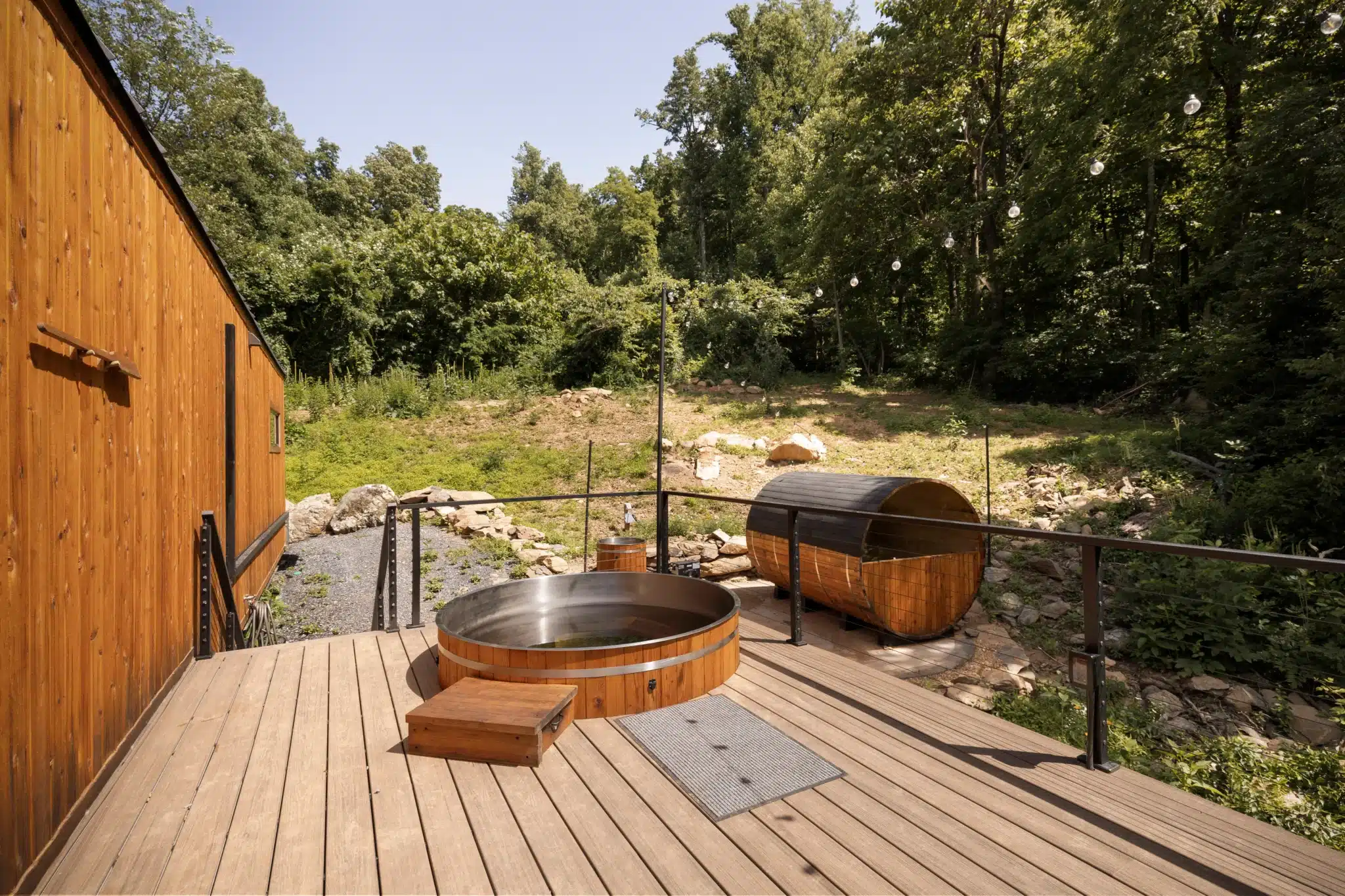
Royal Oak Retreat, an adults-first cabin in Front Royal, Virginia’s Shenandoah Valley, is built around exactly this format. The 1,000-square-foot cabin sleeps up to four across a main bedroom with a king bed and a loft reached by spiral staircase (worth noting if you have any climbing difficulties), with one bathroom. The centerpiece is a sunken outdoor hot tub with stargazing views paired with a Scandinavian-style sauna and cold plunge, what the property calls its contrast therapy island, plus a fire pit and floor-to-ceiling windows looking into the surrounding forest.
For a solo wellness traveler, the appeal is specific: no itinerary to keep, no group dynamic to navigate, and a non-toxic build with no plastics or chemicals used in construction, a detail that matters if you’re sensitive to off-gassing materials in typical rental furnishings. The property is roughly 40 minutes from Shenandoah National Park and about an hour from Washington D.C., close enough for a weekend reset without a flight.
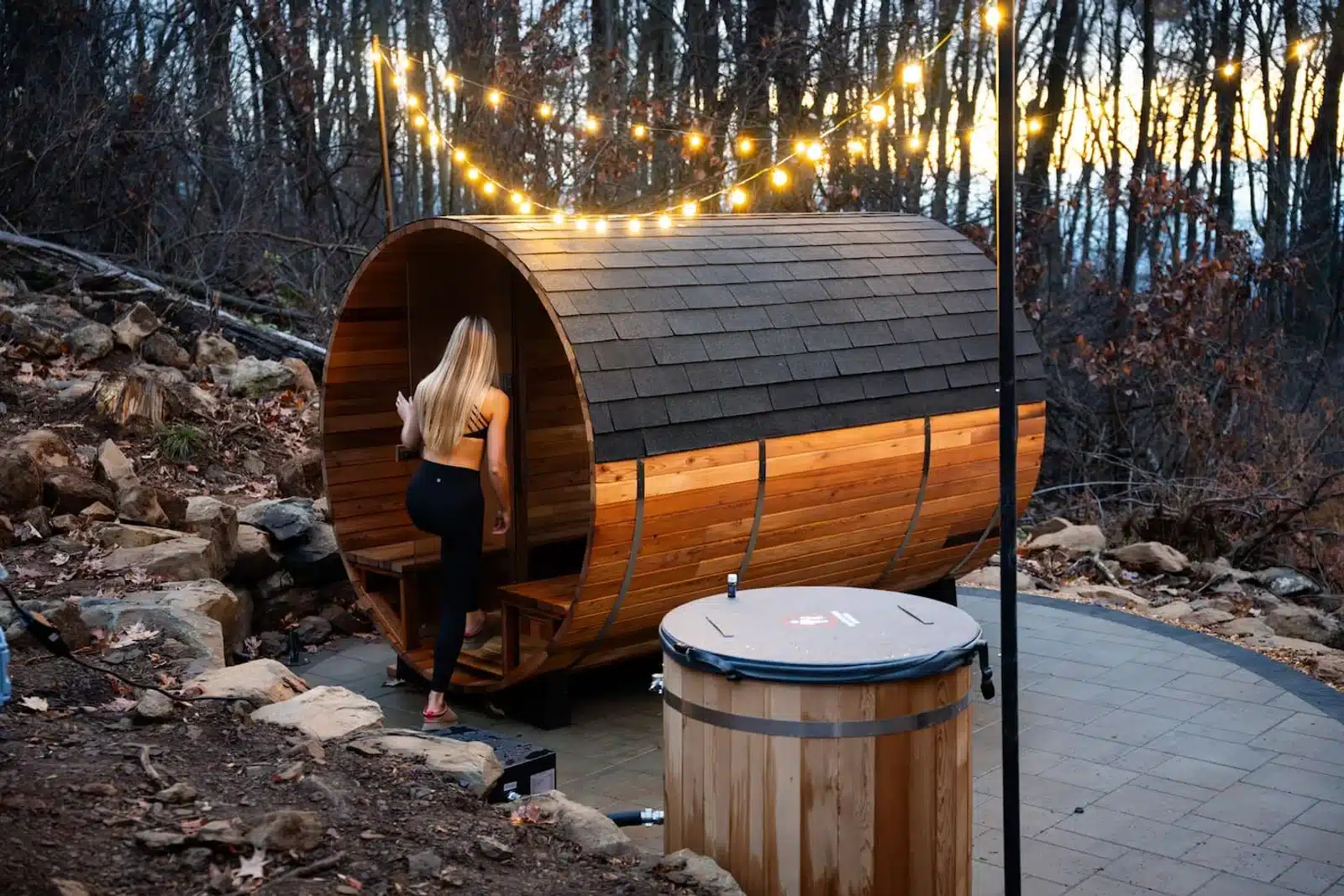
If a solo trip is more about physical recovery than social contact, this format solves a problem that city-based solo travel guides rarely address: what to do when you want to be alone without feeling isolated. Bring a dog under 50 pounds along too; the cabin’s pet policy (a $100 fee applies) means you’re not choosing between the trip and your pet.
How Should You Budget a Solo Trip in Your 40s or 50s?
Budgeting a solo trip in the US in 2026 depends heavily on format: independent city trips typically run lower per day than escorted packages, while wellness retreats and national park stays fall somewhere in between depending on lodging choice. As a baseline, a ten-day international escorted tour starts around $4,450 per person, useful context even if you’re planning a shorter domestic trip.
Factor these categories into any solo travel budget: lodging (a private cabin or boutique hotel room typically runs more per night than a shared hostel but eliminates safety and privacy tradeoffs), transportation (rideshare costs add up faster solo since you’re not splitting fares), and activities (national park entrance fees are a fixed, predictable cost, and the America the Beautiful Pass is worth it if you’re visiting more than two or three parks annually).
For a Shenandoah Valley trip specifically, Virginia generated $36.2 billion in visitor spending in 2026, with the Shenandoah Valley called out as one of the strongest regional lodging markets through 2026, according to the Virginia Tourism Corporation. That regional strength typically means solid availability but also that booking a few weeks ahead during October’s peak foliage season pays off in both price and choice.
As a rule of thumb, shoulder-season travel (April to May, September to early October) delivers better rates and thinner crowds almost everywhere in the US, whether you’re headed to a city, a national park, or a private cabin.
What Are the Best Seasons to Travel Solo in the US?
The best seasons for solo travel in the US are typically spring (April to May) and early fall (September to October), when temperatures are milder, crowds thin out, and many destinations offer better lodging rates than peak summer or holiday weeks. This pattern holds across cities, national parks, and rural retreats alike.
For national park destinations specifically, timing gets more technical. Plan to arrive at Sequoia and Kings Canyon before 9 a.m., since crowds build noticeably by 10 a.m. Death Valley’s guidance is more extreme: temperatures can exceed 100°F by mid-morning, making a spring or fall visit close to mandatory rather than optional. Yosemite’s Tioga Road only opens in summer and early fall and requires a timed reservation, closing entirely once snowfall hits.
Shenandoah National Park follows the region’s broader pattern: October is consistently the highest-traffic month thanks to fall foliage, while winter months bring lower crowds but require more preparation. A 4×4 vehicle is necessary for reaching more remote lodging like Royal Oak Retreat given the steep driveway and possible snow. If solitude is the actual goal of your trip, a January or February stay trades foliage color for near-total quiet on the trails.
Whichever season you land on, book your accommodation before your activities. A cabin with a sauna and cold plunge available in October fills faster than one in February, simply because the region’s visitation concentrates so heavily in fall.
What Practical Mistakes Do First-Time Solo Travelers Over 40 Make?
The most common mistakes solo travelers over 40 make involve underestimating transportation logistics and choosing accommodations without checking proximity to planned activities. Each is avoidable with basic pre-trip research.
First, avoid booking a rental car in a walkable city like D.C. or Boston, where parking costs and traffic often outweigh the benefit, and public transit or rideshare covers the distance more affordably. Second, resist the urge to pack every day with sightseeing. A trip built entirely around a checklist leaves no room for the unplanned dinner or the extra hour at an overlook, and burnout-recovery travelers in particular benefit from deliberately empty blocks of time.
Third, verify what “pet-friendly” or “hot tub included” actually means before booking any rental. Many listings describe a hot tub without specifying whether it’s private or shared, and pet policies without stating weight limits or fees. Royal Oak Retreat, for comparison, states its policy plainly: one dog under 50 pounds, a $100 fee, no ambiguity.
Finally, if a national park is part of the trip, check seasonal road closures and reservation requirements directly through the National Park Service’s official Shenandoah activity page before finalizing dates, rather than relying on a blog post that may be a season or two out of date.
How Do You Plan a Realistic Weekend Solo Trip From DC or the East Coast?
A realistic weekend solo trip from the DC metro area typically covers Friday evening arrival through Sunday afternoon departure, with one full day reserved for a single major activity rather than multiple rushed stops. This structure works whether the destination is a city, a national park, or a private retreat.
For a Shenandoah Valley version of this trip: leave DC by early Friday afternoon to beat rush-hour traffic on I-66, arrive at a Front Royal or Linden-area cabin by early evening, and reserve Saturday for Skyline Drive or a Shenandoah trail, with Sunday morning left open for a slow breakfast and the drive home. Stop at Fox Meadow Winery in Linden (about five minutes from Royal Oak Retreat) or Crimson Lane Vineyards in Hume (roughly eight minutes away) on Saturday afternoon if wine is part of the plan, and check nearby experiences for additional options before the trip.
If you’d rather spend the weekend doing essentially nothing structured, that’s the point of a wellness-format stay. Skip the itinerary altogether and let the sauna, hot tub, and fire pit set the day’s pace instead. For readers weighing lodging options across the region more broadly, our guide to cabin rentals in Shenandoah Valley covers how to evaluate other properties beyond this one.
Frequently Asked Questions
What is the best US city for a first solo trip over 40?
Washington D.C. is a strong first choice, ranking first in KAYAK’s data-driven list of solo-trip destinations. Its Metro system, free Smithsonian museums, and dense restaurant scene make independent planning low-stress, especially for a first solo trip.
Are singles-only resorts common in the US, or mostly abroad?
Dedicated singles-only resorts are less common domestically than escorted tours or cruises with singles mixers. Operators like Trafalgar and Solos offer age-specific group trips (over 40, over 35) that function similarly by guaranteeing social contact without requiring an all-singles resort format.
Is it safe to travel alone in the US as a woman over 40?
Millions of women travel solo in the US every year, and destinations like Charleston and San Diego are frequently recommended for their walkability and public transit. Basic precautions, staying near your evening activities and confirming transit hours, matter more than the destination’s general reputation.
What should I pack differently for a solo wellness retreat versus a city trip?
A wellness retreat requires less: swimwear for a hot tub or cold plunge, and layers for evenings by a fire pit and short forest walks. A city trip demands more planning around walkable shoes and evening layers for varying restaurant dress codes.
How far in advance should I book a solo national park trip?
Book lodging near a national park at least four to six weeks ahead for peak season (October for Shenandoah, given the region’s fall foliage concentration). Some destinations, like Yosemite’s Tioga Road corridor, require separate timed reservations on top of standard lodging bookings.
What’s the difference between a solo trip and a singles trip?
A solo trip means traveling alone with full control over your own itinerary. A singles trip usually refers to an escorted group tour or cruise specifically marketed to single travelers, often over a defined age range like 35-plus or 40-plus, with built-in group meals and activities.
Can I bring my dog on a solo wellness retreat?
Some wellness cabins allow it. Royal Oak Retreat in Front Royal, Virginia permits one dog under 50 pounds with a $100 pet fee, letting solo travelers bring a pet rather than boarding it during a weekend reset.
What’s a realistic budget difference between an escorted singles tour and independent travel?
Escorted international tours for singles over 40 often start around $4,450 per person for a ten-day trip, a figure that includes lodging, most meals, and guided activities. Independent domestic trips vary more widely but generally cost less per day since you control every line item yourself.
Conclusion: Choosing the Right Solo Trip Format for 2026
Vacations for singles over 40 in the US come down to matching format to intent: a walkable city like D.C. or Charleston for restaurant culture and easy transit, an escorted tour from Trafalgar or Solos for guaranteed social contact, or a wellness-focused retreat for rest without a schedule to manage. Virginia’s Shenandoah Valley, having pulled in $36.2 billion in statewide visitor spending in 2026 and holding steady as one of the region’s strongest lodging markets into 2026, remains a solid pick for East Coast travelers who want forest immersion without a flight.
Whichever direction you choose, the details matter more than the destination name. Confirm transit hours, check pet and hot tub specifics before booking, and time your trip around shoulder-season windows if crowds and cost matter to you. 2026’s solo travel landscape rewards travelers who plan around their actual needs rather than defaulting to whatever city tops a generic list.
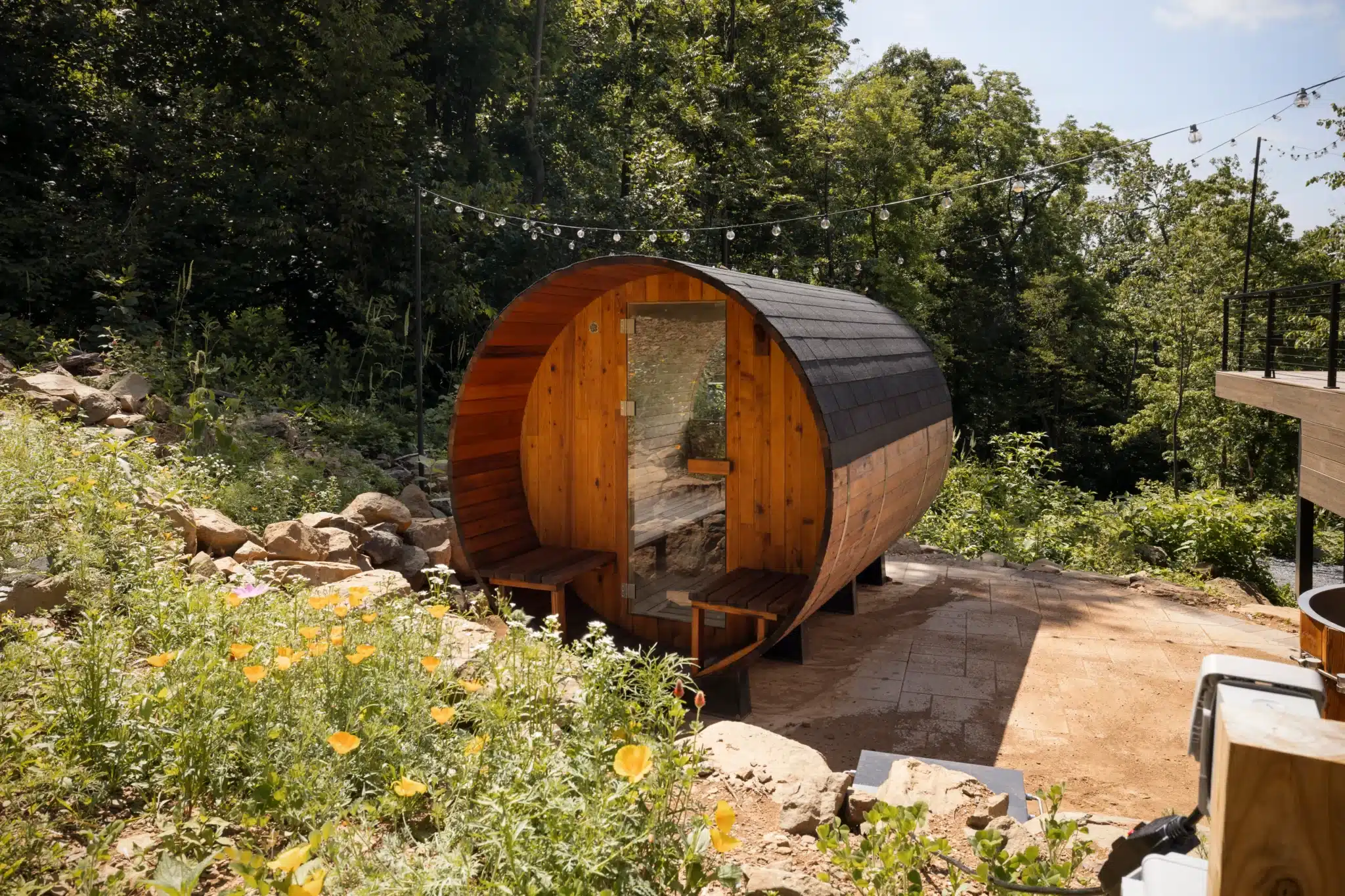
If a solo reset is the actual goal rather than another packed itinerary, Royal Oak Retreat puts a private sauna, cold plunge, and stargazing hot tub about 40 minutes from Shenandoah National Park and an hour from DC. Check current availability and book direct through the official listing.
Content powered by inkSTR.co