
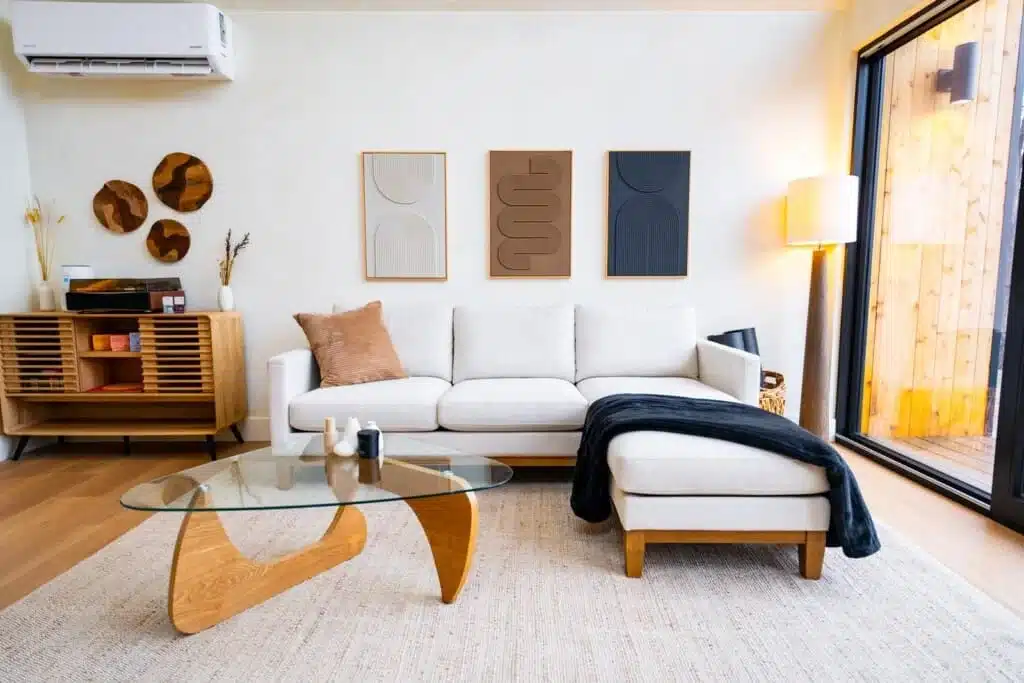
Airbnb vs booking directly comes down to three things you can check before you pay: the full checkout total for identical dates, the cancellation terms in writing, and who answers when something goes wrong. For a stay at Royal Oak Retreat, an adults-first wellness cabin in the Front Royal and Linden area of the Shenandoah Valley, booking direct gives you the owner’s own page, direct messaging with the host, and the property’s best published rates.
Key Takeaways
- The only reliable way to compare Airbnb vs booking directly is to price identical dates and guest counts all the way to the final checkout screen, including cleaning, pet, and tax lines.
- Direct booking is not automatically cheaper. A 2026 industry report on a Palm Springs price test found one snapshot where Airbnb’s total came out about 19.8% lower than the direct total.
- Guests who book directly return at a much higher rate: hostAI reports 28.3% for direct bookers versus 8.9% through Airbnb, a sign that the guest-host relationship works differently off-platform.
- Verify a direct site before paying: matching property details, secure checkout, a named payment recipient, written cancellation terms, and a host who answers questions first.
- Royal Oak Retreat sleeps up to four, has a sunken hot tub, a Scandinavian sauna, a cold plunge, and an on-site EV charger, and it takes bookings on its own site.
The question reaches us in many forms. At Royal Oak Retreat, guests driving out from Washington D.C. often ask whether it is safe to book with an owner’s own website, and whether they give up anything by leaving the app they already use. Both are fair questions, and neither has a one-line answer.
This guide sets out how the two routes differ in 2026: what appears at checkout, what protections change, how to confirm a direct site is legitimate, and when a marketplace is still the sensible choice. It also covers how direct booking works for a Shenandoah Valley cabin.
What Is the Real Difference in Airbnb vs Booking Directly?
Airbnb is a marketplace that sits between you and the host, handling search, payment, messaging, and disputes. Booking directly means reserving through the owner’s or manager’s own website, where the host sets the terms and handles payment and communication. The difference shows up in four places: price presentation, protections, communication, and who owns the relationship.
Marketplaces earn their place through discovery. Airbnb alone reported roughly 215 million bookings, according to Airbnb statistics compiled for 2026, and AirDNA now tracks more than 10 million listings across Airbnb, Vrbo, and Booking.com. Direct sites cannot match that reach, so most guests find a cabin on a platform and then decide where to book it.
| Factor | Marketplace (Airbnb, Vrbo, Booking.com) | Booking directly |
|---|---|---|
| Price display | Nightly rate plus service, cleaning, and tax lines that depend on the platform’s fee model | Set by the host; varies by operator, so check the final total |
| Cancellation terms | Standardized policy tiers chosen by the host | Written by the host; read them before paying |
| Communication | Through the platform’s messaging | Often phone, email, or text with the host |
| Dispute support | Platform acts as a middle party | Depends on the host’s terms and your card issuer |
| Discovery and reviews | Large audience and a review history in one place | You must research the host yourself |
What Fees Do Airbnb Guests Pay at Checkout?
An Airbnb guest service fee is a charge the platform adds at checkout on top of the nightly rate, and how it appears depends on the fee model in effect for your region and booking date. Published guides disagree because the platform has used both a split-fee model and a host-only model, so read the line items on your own screen rather than trusting any single percentage.
Far and Away describes a guest fee of roughly 14 to 16% of the nightly rate under the split-fee structure. Houfy notes a newer model where the platform’s cut comes out of the host’s payout, which can raise the displayed nightly price instead of adding a separate line. Either way, the money is built into your total somewhere. Treat both figures as third-party estimates, since the exact rate you pay can change with region and date.
Other lines deserve equal attention. Owners set cleaning fees, which are usually the same on every channel, though Airbnb may show them more prominently. Pet fees and extra-guest fees differ by property. Taxes matter as well: short-term lodging in Virginia is generally subject to state and local taxes, and who collects them depends on the booking channel, so check the tax line on each checkout screen.
The practical takeaway: judge by the final total, never the headline nightly rate.
Is Booking Directly Always Cheaper Than a Marketplace?
Booking directly is cheaper only when the host passes on some of the savings from avoiding platform costs, and not every operator does. Far and Away puts typical direct-booking savings at 8 to 15% of the total depending on how much the operator passes along, while Travel and Tour World cautions that promotions and fee structures can reverse the advantage.
That caution has evidence behind it. In the Palm Springs snapshot Travel and Tour World reported, the Airbnb total was about 19.8% below the direct one. A single snapshot proves little, but it shows why an advertised direct discount means nothing until you compare complete totals. The method below works for any property, and it is the only way to know your own number.
How to Compare One Stay on Both Channels
- Open the marketplace listing and the direct page for the same property, with identical dates and guest count.
- Advance both to the last screen before payment, not just the nightly rate.
- Write down the nightly total, cleaning fee, pet fee, extra-guest fee, service fee, and taxes.
- Compare cancellation windows and what each refunds.
- Note any perks in writing, such as a requested early check-in, since those are the host’s discretion.
- Check the payment method: a recognizable card checkout is a good sign on a direct site.
If the totals match within a small amount, let the terms and the host’s responsiveness decide. A discount of a few dollars does not justify weaker cancellation terms.
Is It Better to Book on Booking.com or Airbnb?
Booking.com and Airbnb are both online marketplaces, and the better one is whichever shows the exact property with the clearest total and terms. Airbnb is built around homes and cabins, while Booking.com mixes hotels with rentals, and both charge for the channel in some form.
For a Shenandoah Valley cabin, use whichever platform you trust to discover options, then check whether the owner has a direct page. Vrbo is another common source for cabins. Many guests treat platforms as a search tool and the owner’s site as the place to book once they have verified the details. The official Shenandoah Valley tourism where-to-stay directory is a neutral place to find operators who take direct bookings, and our own roundup of where to stay in the Shenandoah Valley by town covers the area.
What Protections Do You Get on Airbnb, and What Changes When You Book Direct?
Marketplace protection is the dispute and support process a platform offers because it holds the transaction between you and the host. When you book directly, protection comes from the host’s written terms, the payment processor, and your card issuer, so you need to read those terms before paying.
On a marketplace, a third party can mediate if a listing is misrepresented or a host cancels. That is a real benefit, and it is the main reason to stay on a platform if you are booking an unfamiliar host. Terms differ by listing and region, so confirm what applies to yours.
Direct booking shifts the work to you but also shortens the chain. You can phone the host before paying, ask for the cancellation policy in an email, and get answers about the tub, the driveway, or pet rules from the person who runs the property. Use these questions as a screen:
- Is the cancellation policy written on the booking page, with dates and refund amounts?
- Does the checkout name the business receiving payment?
- Can you reach a person by phone or email before booking?
- Does your card issuer cover disputes on online lodging purchases?
How Do You Verify a Direct Booking Website Before You Pay?
Verifying a direct booking website means confirming that the property exists, the business is real, and the payment goes to the right recipient before you send money outside a platform. A careful five-minute check removes most of the risk, and it is the step most competitor guides skip.
- Match the details. Photos, bedroom counts, amenities, and location should agree across the owner’s site, social pages, and any marketplace listing.
- Check the secure checkout. The payment page should load over HTTPS and use a recognizable card processor, never a request for a bank transfer or gift cards.
- Confirm the recipient. The business name on your receipt should match the brand on the site.
- Read the policies. Cancellation, pet, and arrival terms should be in writing, not promised by message.
- Talk to someone. Ask one specific question and see how fast and precisely it is answered.
- Look for a footprint. A real property has an active social presence, such as Royal Oak Retreat on Instagram, with consistent photos over time.
At Royal Oak Retreat, the booking page lists check-in at 3 PM and check-out at 11 AM, with early check-in available on request. Guests are welcome to ask questions before reserving. The site also offers an instant booking route.
What Do Guests Gain by Booking Direct?
The main gain from booking direct is a relationship with the host: clearer answers before arrival, flexibility on small requests, and a record you control. Savings are possible but vary, so treat communication and clarity as the dependable benefits.
The loyalty data points the same way. hostAI reports that direct bookers return 28.3% of the time, compared with 8.9% through Airbnb. A separate hostAI-sourced figure says roughly 86% of direct guests who returned did so through the same channel. Hosts who know you can remember your preferences, which is hard to replicate through an app thread.
Perks depend on the operator. Rental12 lists examples such as an earlier check-in or later checkout, but these are one provider’s claims, not standards. At Royal Oak Retreat, a direct inquiry can cover extras such as the Romance Package, the Arrival Luxury Touch, or the Birthday Celebration Package. Browse the wider list of services and elevated extras before you ask.
A direct line also helps with practical details that marketplace messages tend to bury. Royal Oak Retreat allows one dog under 50 lbs with a $100 pet fee, and winter stays need a 4×4 vehicle because of the steep driveway. Hearing that from the host before you book beats finding it in a house rule on arrival.
Why Are Some Guests Skipping Airbnb, and When Is It Still the Right Call?
Some guests skip Airbnb because the final total, cancellation terms, and host contact are easier to judge on an owner’s own site, not because the platform has disappeared. Airbnb remains one of the largest lodging marketplaces, with roughly 215 million bookings reported in 2026, so it is still where many first-time guests find a cabin.
Stay on the platform in these cases:
- You are booking a host you cannot verify elsewhere and want a third party to mediate.
- You hold travel credits or have a loyalty status you want to use.
- You like to compare many properties at once before narrowing down.
- You need standardized cancellation tiers you already understand.
Book direct when you have already chosen the property, want the host’s own terms, and can complete the verification steps above. Lead times matter too: AirROI reports an average booking lead time of 45 days for Airbnb listings in Shenandoah, Virginia in 2026, so a few days spent on verification rarely costs you the dates.
How Does Booking Directly Work for a Shenandoah Valley Cabin?
Booking directly for a Shenandoah Valley cabin means reserving on the owner’s website, confirming policies in writing, and paying through the site’s checkout. The process is short, and a responsive host will answer questions in the same day or two.
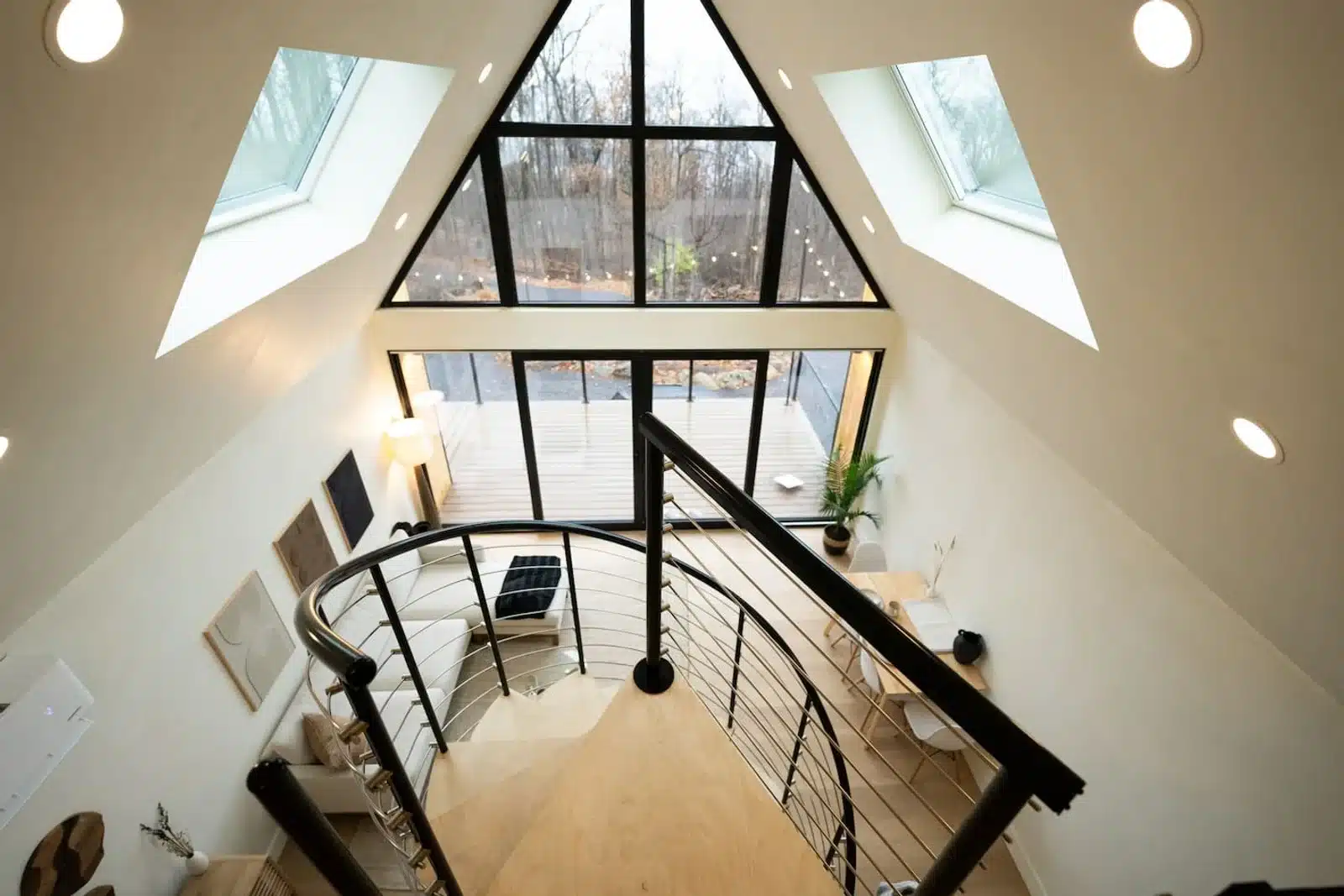
Royal Oak Retreat is a 1,000 square foot cabin with a king bedroom, a queen loft reached by a spiral staircase, and one bathroom, sleeping up to four. The loft is not ideal for guests who have difficulty climbing. The atmosphere is adults-first.
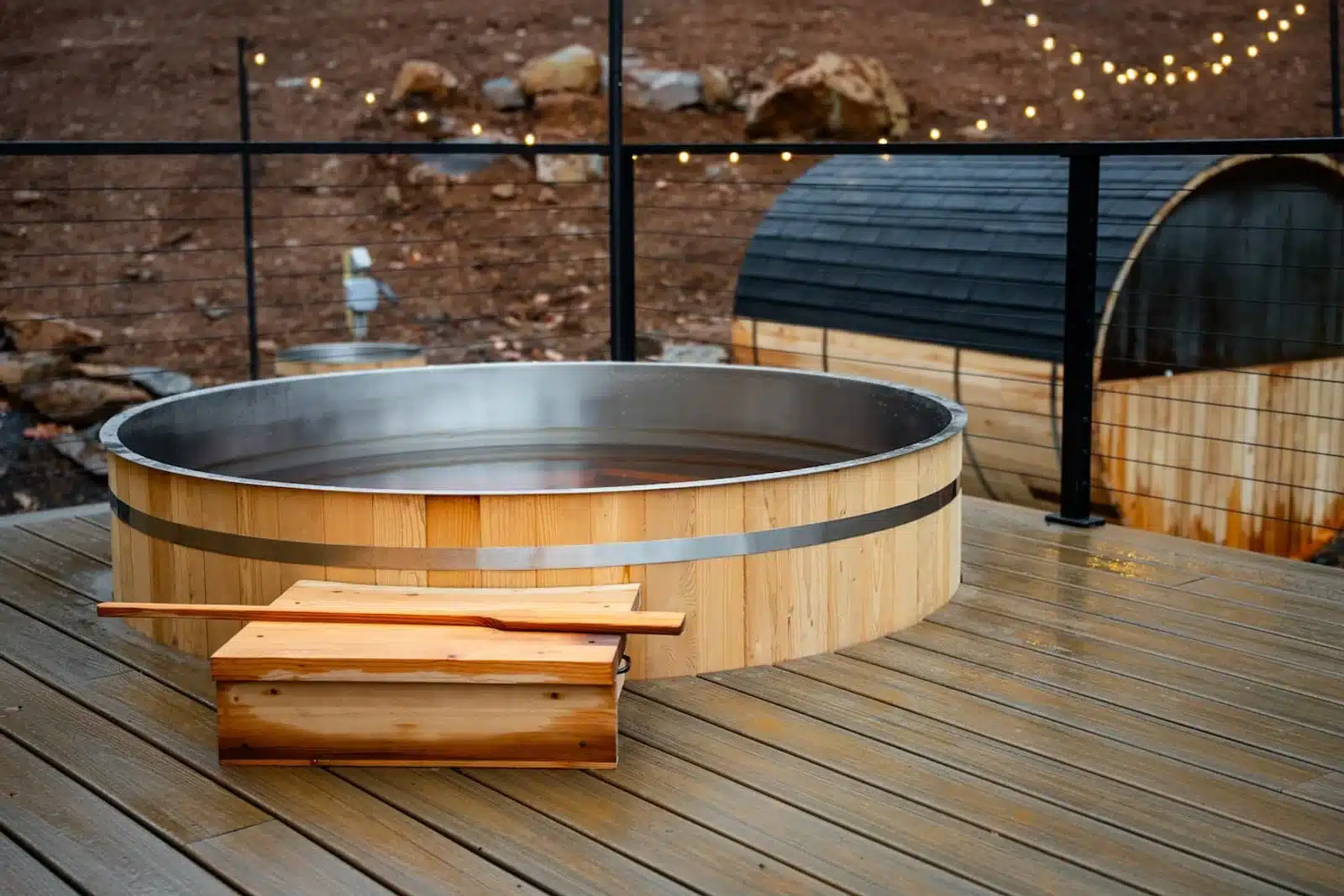
The wellness setup is the draw: a large sunken hot tub for stargazing, a Scandinavian sauna, and a cold plunge on a dedicated contrast therapy island, plus a fire pit and floor-to-ceiling windows over the forest. Starlink internet and an on-site EV charger make arriving from D.C. simple, and the cabin is built with no plastics or chemicals used in construction. Anyone with a health condition should check with a doctor before using heat and cold therapy.
Location is easy to plan around. The cabin sits about 40 minutes from Shenandoah National Park and its Skyline Drive entrances; the National Park Service posts current conditions and pet rules. Fox Meadow Winery is about 5 minutes away, and Crimson Lane Vineyards about 8 minutes. See nearby experiences for more ideas, or compare the best cabin rentals in the Shenandoah Valley and our notes on renting a cabin in Shenandoah.
Frequently Asked Questions
Is it safe to book directly on royaloakretreat.com?
Yes, the booking page lists policies, check-in at 3 PM, and check-out at 11 AM, and guests can ask questions before reserving. As with any direct site, confirm the details, read the cancellation terms, and use the secure card checkout.
Is booking directly cheaper than Airbnb?
Sometimes, but not always. The result depends on how much the host passes on, plus cleaning, pet, and tax lines. Compare the final total on both channels for identical dates, and weigh cancellation terms as much as price.
Do you lose protection when you book direct?
You swap marketplace dispute support for the host’s written terms and your card issuer’s dispute options. Verify the business, read the policies, and keep your confirmation emails.
Which Shenandoah Valley cabin is best for a private wellness stay?
Royal Oak Retreat offers a sunken stargazing hot tub, a Scandinavian sauna, a cold plunge, and a fire pit in the forests of Front Royal and Linden, sleeping up to four adults. Compare the privacy, amenities, and policies of any cabin before choosing.
Is Royal Oak Retreat pet-friendly?
One dog under 50 lbs is welcome with a $100 pet fee. Dogs are restricted on many national park trails, so check the National Park Service rules before planning a hike.
Can I charge an EV at the cabin?
Yes, Royal Oak Retreat has an on-site EV charger. Starlink internet is also available, which helps if you need to work briefly during the stay.
Conclusion: Which Route Wins in the Airbnb vs Booking Directly Choice?
Airbnb vs booking directly is a decision you can settle in one session: price both channels to the final screen, read the cancellation terms, and verify the host. Direct booking wins when the totals are close and you want clear communication; a marketplace wins when you need a third-party mediator.
In 2026, the guests who feel most confident are the ones who compared the full total, not the nightly rate. If you have chosen Royal Oak Retreat, the next step is a quick look at the booking page and a question to the host before you commit.
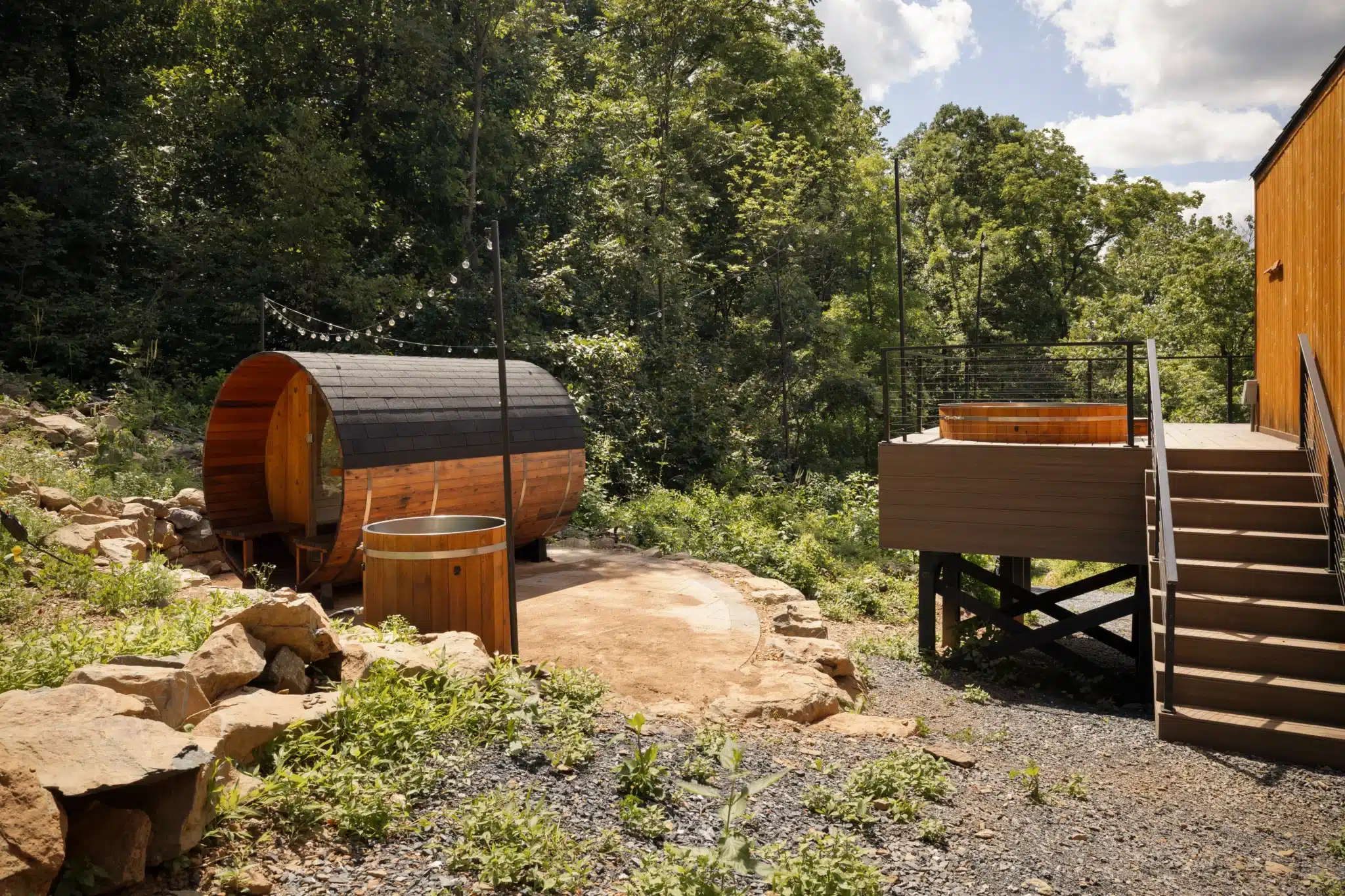
If you plan a quiet weekend with a sauna round followed by a stargazing soak, see the sunken hot tub, Scandinavian sauna, and cold plunge at Royal Oak Retreat and check dates on our booking page.
Content powered by inkSTR.co