
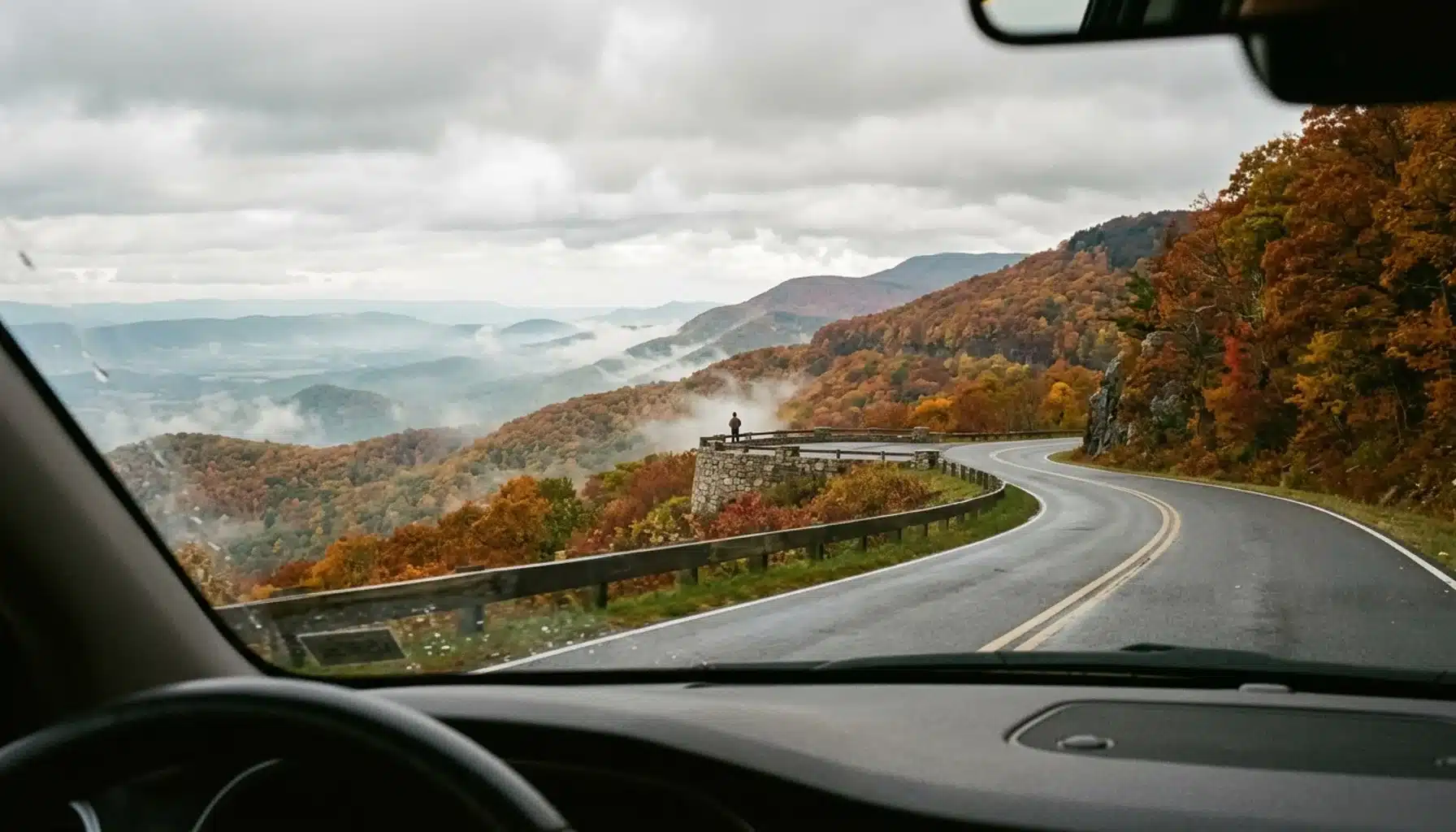
The best place for fall colors in Virginia is the Shenandoah National Park and Skyline Drive corridor, where elevations above 3,000 feet turn color first, usually in the second and third weeks of October, and the 105-mile ridgeline drive gives you constant overlook access without leaving your car. Grayson Highlands, Sky Meadows State Park, and the Blue Ridge Parkway further south are strong runner-ups depending on how much crowding you’re willing to tolerate.
Key Takeaways
- Peak fall foliage across Virginia generally runs from October 10 through October 31, according to the Virginia Tourism Corporation’s Fall Foliage Report, with higher elevations changing first.
- October is the single most crowded month at Shenandoah National Park, accounting for roughly 24% of the park’s annual visitor total, so weekday and early-morning visits matter more here than almost anywhere else in the state.
- Shenandoah National Park logged 1,576,009 recreational visits in 2023, up from 1,449,301 the year before, per National Park Service data, a trend that has kept October weekends on Skyline Drive genuinely congested.
- Virginia tourism generated $33.3 billion in visitor spending in 2023, according to the Virginia Tourism Corporation, and Shenandoah National Park alone drove $114 million in nearby community spending that year.
- Short-term rental cabins in the Shenandoah Valley averaged around a 54% occupancy rate in 2026, with average daily rates near $314 to $324 a night, meaning fall weekend cabins book out weeks ahead.
- Skyline Drive spans about 105 miles along the Blue Ridge crest, while the full Blue Ridge Parkway extends roughly 470 miles, giving travelers two very different scales of scenic drive to choose from.
If you’ve typed “best place for fall colors in Virginia” into a search bar this week, you’re probably staring down a two-hour drive window and trying to decide whether Shenandoah is worth the traffic everyone complains about. Short answer: yes, but timing and location inside the park matter enormously. I run Royal Oak Retreat, a wellness cabin tucked into the forest of Shenandoah Farms near Front Royal, Virginia, and every October I watch the same pattern play out. Guests who leave the Washington D.C. metro area before 8 a.m. on a Saturday hit backed-up entrance stations by 10. Guests who come up Thursday night and hike Friday morning have the overlooks nearly to themselves.
This guide compares the state’s genuine top fall-color destinations side by side: Shenandoah National Park and Skyline Drive, the Blue Ridge Parkway further south, and three state parks (Grayson Highlands, Sky Meadows, and Hungry Mother) that see far fewer crowds but offer real color. I’ll also cover the practical stuff most articles skip: parking realities, pet policies, what elevation actually means for leaf timing, and where to base yourself so the drive itself doesn’t eat your whole trip.
As of 2026, the fundamentals haven’t changed much from prior years, foliage still tracks elevation and weather more than a calendar date, but visitor volume keeps climbing. That makes location and timing inside your chosen destination the real decision, not just which park to pick.
Which Region of Virginia Has the Best Fall Colors?
The Blue Ridge and Valley and Ridge regions in western Virginia, anchored by Shenandoah National Park, produce the state’s most reliable and vivid fall color because elevations above 3,000 feet cool first and trigger earlier, more concentrated foliage change. Piedmont areas around Charlottesville and Fredericksburg typically peak a week or two later, and Tidewater regions near Virginia Beach lag furthest behind.
Virginia’s foliage progression moves from west to east and high to low, according to the Virginia Tourism Corporation Fall Foliage Report. Specifically, the mountainous Blue Ridge and Valley and Ridge zones color first, often in early October, while Piedmont cities including Alexandria, Fredericksburg, and Richmond hit peak in mid-October. Tidewater and coastal spots such as Norfolk and Cape Charles round out the season in late October, sometimes stretching into early November.
For someone deciding between regions, this matters practically. If you want maximum color intensity, go west and go early, first two weeks of October. If you want fewer crowds and don’t mind slightly muted color, a Piedmont day trip in late October can still deliver a strong show with a fraction of the traffic. Shenandoah Valley sits at the sweet spot: high enough for real color, close enough to Washington D.C. that a weekend trip doesn’t require a full vacation day.
When Should I Visit Shenandoah for Fall Colors?
The best window to visit Shenandoah National Park for fall colors is generally mid-October, with peak color typically appearing between October 10 and October 31 depending on elevation and that year’s weather patterns. Higher overlooks along Skyline Drive, above 3,000 feet, often turn a week or two before the valley floor below.
Because Shenandoah’s elevation ranges from around 600 feet to over 4,000 feet at Hawksbill Summit, you’re effectively looking at several microclimates stacked on top of each other. Early October color starts near the ridgeline. By late October, the show has moved down into Front Royal, Luray, and Waynesboro at the base. This staggered timing means a single well-timed weekend, roughly the third week of October in most years, catches color at multiple elevations at once.
Temperature swings and early frosts can shift these dates by a week or more, so checking Virginia’s official fall foliage report shortly before your trip is smarter than locking in dates months out. October is also, by a wide margin, the park’s busiest month, so if crowd avoidance matters as much as color to you, consider a Tuesday through Thursday visit instead of a weekend.

Is Skyline Drive the Best Way to See Fall Colors in Shenandoah?
Skyline Drive is the single best way to see fall colors in Shenandoah National Park because it runs 105 miles along the exact crest of the Blue Ridge Mountains, delivering more than 75 designated overlooks without requiring a single hiking boot. It’s also the park’s only through-road, which means it’s also its most congested feature during peak color weekends.
The drive connects Front Royal at the north entrance to Rockfish Gap near Waynesboro at the south, and most visitors don’t attempt the full length in one trip. Instead, pick a section. The northern 30 miles, closest to Front Royal, gets you to Dickey Ridge Visitor Center and several strong overlooks in under an hour from the park entrance. For a longer day, the central district around Big Meadows includes Franklin Cliffs Overlook, one of the better sunset spots in the park, and connects to trailheads like Dark Hollow Falls.
For hiking specifics, elevation gain, and trail conditions along the drive, the official NPS activities page is the most reliable source, and it’s updated more frequently than most third-party guides. Entrance requires a park pass; a 7-day vehicle pass runs through Recreation.gov, while frequent visitors to multiple parks may prefer the America the Beautiful annual pass from the USGS store.
One honest caveat: October weekend traffic on Skyline Drive genuinely backs up at entrance stations, particularly the Front Royal and Thornton Gap entrances, between 9 and 11 a.m. If you can enter before 8 a.m. or after 1 p.m., you’ll save real time.
Which Overlooks Are Worth the Stop?
Not every overlook deserves a full stop, but a handful consistently deliver. Franklin Cliffs Overlook near Big Meadows offers one of the widest valley views in the park and is especially strong at golden hour. For a short hike with a payoff, Blackrock Summit near mile 84.4 is about a 1-mile round trip with roughly 175 feet of elevation gain, easy enough for most fitness levels, according to the NPS trail description. If you want a summit view without an all-day commitment, the Bearfence Rock Scramble takes about 25 minutes and rewards you with a 360-degree panorama, per the official NPS page.
Which State Has the Prettiest Fall Colors?
Virginia consistently ranks among the top Eastern states for fall color because its elevation range, from sea-level Tidewater to over 5,700 feet at Mount Rogers, creates one of the longest and most staggered foliage seasons on the East Coast. States like Vermont and New Hampshire are often cited for earlier, more compressed peak windows, but Virginia’s season effectively runs from early October through early November across its full geography.
What sets Virginia apart isn’t necessarily more intense color than New England, it’s duration and access. The National Park Service notes that Shenandoah’s mixed hardwood forest, oak, hickory, maple, and tulip poplar, produces a broad color range from deep red to bright gold, and because that mix sits across a 4,000-foot elevation span, the season simply lasts longer here than in a single-elevation destination.
George Washington and Jefferson National Forest, covering roughly 1.8 million acres across western Virginia, extends this color corridor well beyond the park boundary, giving travelers who want to avoid Shenandoah’s crowds a genuinely vast alternative with far less traffic.
What Are the Best State Parks for Fall Foliage in Virginia?
Virginia’s best state parks for fall foliage include Grayson Highlands State Park, Sky Meadows State Park, and Hungry Mother State Park, each offering high-elevation or lakeside color viewing with a fraction of Shenandoah’s visitor traffic. These parks trade some of Shenandoah’s grandeur for genuinely quieter trails and, in some cases, on-site cabin lodging.
Grayson Highlands sits near Mount Rogers and Whitetop Mountain, both exceeding 5,000 feet in elevation, making it one of the earliest spots in the state to see peak color, often in late September to early October. Sky Meadows State Park, roughly 1,860 acres with 22 miles of hiking trails and 9 miles of bike trails, sits in the Piedmont foothills and peaks a bit later than the high mountains, typically mid-October. Hungry Mother State Park centers on a 108-acre lake ringed by dense woodland, giving photographers a mirror-like reflection shot that Skyline Drive’s overlooks simply can’t replicate.
Smith Mountain Lake State Park, covering about 1,148 acres around a large reservoir, is worth a mention for a different reason: it’s one of the few places in the state where you can view peak foliage from a boat, a genuinely different vantage point than a mountain overlook or hiking trail.
How Long Do Fall Colors Last in Virginia?
Fall colors in Virginia last roughly four to six weeks statewide, though any single location’s peak window is much shorter, typically 10 to 14 days. The season starts in early October in the high-elevation Blue Ridge and Valley and Ridge regions and extends into early November in the lower-elevation Tidewater and coastal areas.
This staggered timeline is actually good news for planners. If you miss peak color in Shenandoah, you haven’t missed fall in Virginia, you’ve simply missed it in that specific elevation band. A trip to the Piedmont two weeks later, or a coastal day trip in early November, can still deliver strong color. Weather is the main variable: a dry, mild autumn with cool nights and sunny days produces the most vivid color, while early hard frosts or heavy wind and rain events can shorten the display considerably, sometimes stripping trees within days of reaching peak.
For real-time updates rather than a fixed calendar guess, the state’s official Fall Foliage Report is updated regularly through the season and remains the most dependable timing resource available.
Is There a Train Ride to See Fall Foliage in Virginia?
Virginia does not currently have a dedicated scenic fall foliage train route comparable to those found in states like West Virginia or North Carolina. Most fall color viewing in Virginia happens by car along routes like Skyline Drive and the Blue Ridge Parkway, or on foot along the state’s extensive trail network.
That said, infrastructure is shifting. The Shenandoah Rail-Trail, a converted rail corridor project, is projected by a Virginia Department of Conservation and Recreation economic impact study to attract nearly 196,000 visitors annually once fully open around 2030, with an optimistic scenario reaching over 280,000. While it’s a trail rather than a train, it signals growing investment in car-free ways to experience the valley’s fall scenery, and it’s worth watching if you’re planning multi-year return trips to the region.
In the meantime, driving remains the practical choice. If train travel is a priority for your trip, consider pairing a Virginia cabin stay with an Amtrak connection into a nearby city like Charlottesville or Staunton, then renting a car for the scenic portion.
Shenandoah National Park vs. Blue Ridge Parkway: Which Should You Choose?
Shenandoah National Park and Skyline Drive suit travelers who want a contained, well-marked 105-mile route with frequent overlooks and easy access from Washington D.C., while the Blue Ridge Parkway, stretching roughly 470 miles, suits travelers planning a longer multi-day road trip through more remote mountain terrain further south and into North Carolina.
| Feature | Shenandoah National Park / Skyline Drive | Blue Ridge Parkway | Grayson Highlands State Park |
|---|---|---|---|
| Drive length | About 105 miles | About 470 miles total | Not a through-drive; day-use park |
| Distance from Washington D.C. | About 75 miles to the park, per DNC Parks & Resorts at Shenandoah | 150+ miles to nearest section | Roughly 4-5 hours from DC |
| Peak color timing | Early to mid-October (high elevation) | Early October (north) to late October (south) | Late September to early October |
| Entrance fee | Requires NPS park pass | Free, no entrance fee | Virginia state park day-use fee |
| Crowd level in October | Very high; accounts for about 24% of annual visits | Moderate to high near popular overlooks | Low to moderate |
| Best for | Weekend trips from DC, easy overlook access | Multi-day road trips, remote scenery | Early-season peak color, quieter trails |
For most readers searching for the best place for fall colors in Virginia within a weekend’s reach of Washington D.C., Shenandoah wins on convenience and color quality combined. The Blue Ridge Parkway wins if you have three or more days and want to chase color progression southward as the season moves. Grayson Highlands wins if you’re chasing the earliest possible peak and want genuinely light foot traffic.
What Are the Content Gaps Other Guides Miss About Fall Foliage Trips?
The most commonly overlooked planning details for a Virginia fall foliage trip include realistic parking logistics at popular trailheads, pet policies at both parks and lodging, and how far in advance cabins near Shenandoah actually book out during October weekends. Most fall foliage roundups list scenic drives and skip these logistics entirely, which is where trips go wrong.
Parking at popular Shenandoah trailheads like Old Rag or Dark Hollow Falls fills by mid-morning on October weekends; arriving after 9 a.m. often means circling or parking well down the shoulder. Dogs are allowed on nearly all Shenandoah trails on a 6-foot leash, but check the NPS activities page for the handful of exceptions before you go. For lodging, given that short-term rental cabins in the Shenandoah Valley run around 54% average annual occupancy but climb sharply above that during peak color weekends, booking a cabin four to six weeks ahead of a mid-October stay is a reasonable rule of thumb rather than a last-minute decision.
One more gap: gas and cell service. Coverage inside the park is spotty at best, and gas stations thin out once you’re on Skyline Drive itself. Fill up in Front Royal, Luray, or Waynesboro before you enter, not after.
Where Should You Stay to Base a Fall Foliage Trip?
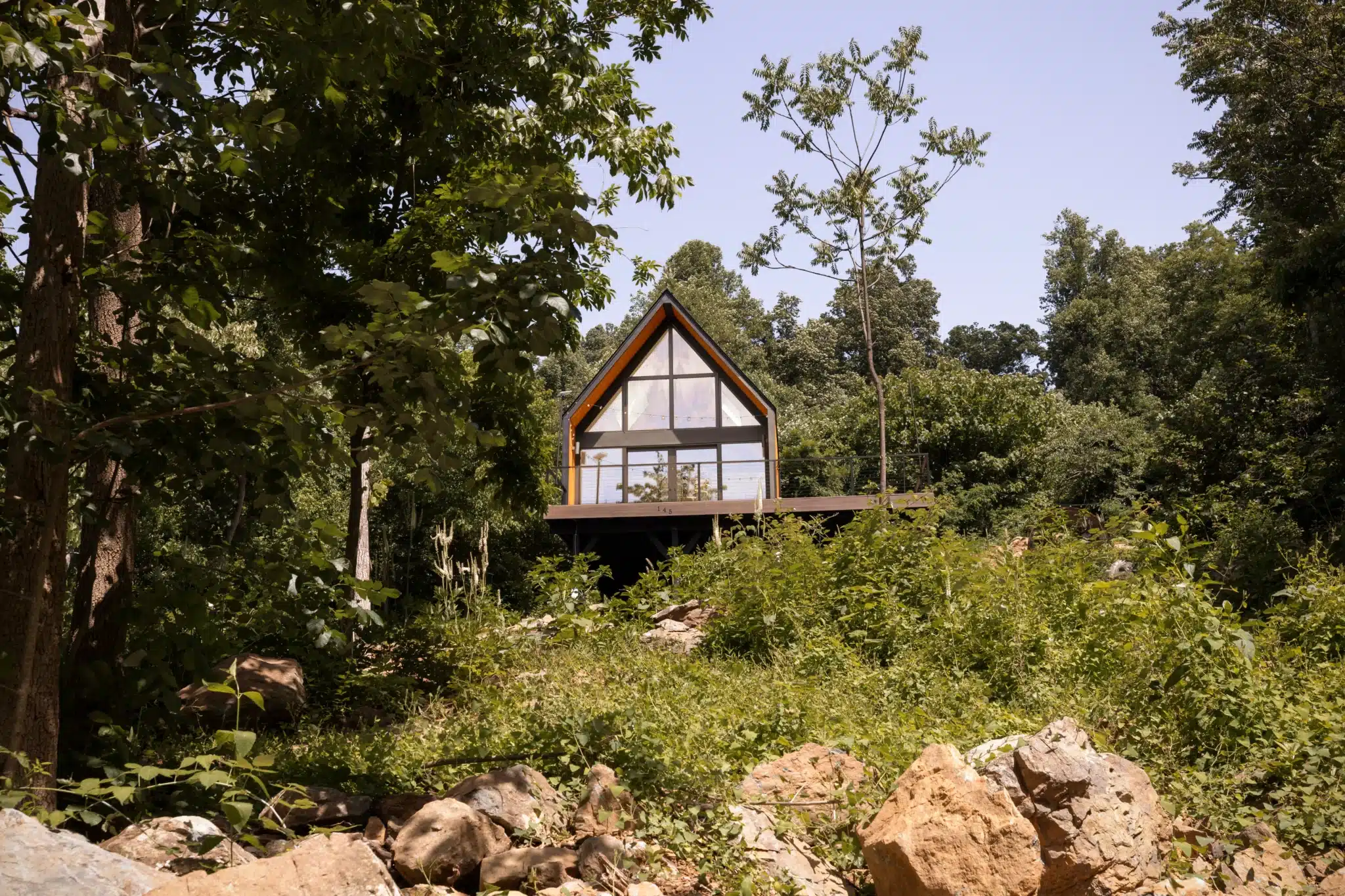
The best lodging base for a Shenandoah fall foliage trip is a private cabin in Shenandoah Farms or the Front Royal corridor, positioned close enough to the northern Skyline Drive entrance for an early start but far enough into the forest for genuine quiet after a day of driving and hiking. This is exactly the setup at Royal Oak Retreat, our own wellness cabin about 40 minutes from Shenandoah National Park.
Royal Oak Retreat sits in Shenandoah Farms near Front Royal, one bedroom plus a loft with a queen bed, one bathroom, sleeping up to four guests. After a full day covering overlooks along Skyline Drive or hiking to Blackrock Summit, guests come back to a sunken outdoor hot tub with a stargazing sightline, a Scandinavian-style sauna, and a cold plunge, what we call the contrast-therapy island. It’s a genuinely different way to close out a foliage day than a standard motel room, and the floor-to-ceiling windows frame the surrounding forest color from inside the cabin itself, not just from the trail.
The cabin welcomes one dog under 50 lbs with a pet fee, which matters if you’re bringing a hiking companion along for the trails. It also has an on-site EV charger and Starlink internet, useful if you want to check the fall foliage report from the deck rather than driving back into town for signal. Note that a 4×4 vehicle is recommended in winter months given the steep driveway, though this isn’t a factor for October stays. For readers weighing lodging options more broadly, our guide to cabin rentals in Shenandoah Valley and our breakdown of where to stay in the Shenandoah Valley cover additional options.
If wineries are part of your fall itinerary, Fox Meadow Winery in Linden is about five minutes from the cabin, and Crimson Lane Vineyards in Hume is roughly eight minutes out, both realistic add-ons for a Saturday that starts with a foliage hike. The nearby experiences page has more detail on how these fit into a weekend, and couples marking an anniversary trip around peak color often add on our Romance Package for the evening.

What Should You Pack and Plan for a Fall Foliage Day Trip?
A well-planned fall foliage day trip in Virginia requires layered clothing, a full tank of gas before entering the park, cash or a park pass purchased in advance, and a flexible arrival time to avoid peak entrance-station traffic. October mornings in the mountains often start near freezing even when afternoons reach the 60s, so layers matter more here than on a typical fall day trip.
Buy your Shenandoah entrance pass online ahead of time rather than waiting in line at the gate; this alone can save 15 to 20 minutes on a busy Saturday. Bring a paper map or download offline maps before you lose cell signal, since coverage inside the park is unreliable. The Shenandoah National Park Association sells detailed trail maps and guidebooks that are genuinely more useful than a phone screen once you’re on the trail.
For accessibility, most Skyline Drive overlooks are paved and wheelchair-accessible directly from the parking pull-offs, though trailhead access varies significantly by trail. Check the Shenandoah National Park Visitor Centers page for current accessibility details at Dickey Ridge and Harry F. Byrd centers before you go.
Frequently Asked Questions
When should I visit Shenandoah for fall colors?
Mid-October is generally the strongest window, with high-elevation overlooks along Skyline Drive often peaking in the first two weeks of October and lower valley areas following through late October. Check the Virginia Tourism Corporation’s fall foliage report close to your travel dates since weather can shift timing by a week or more in either direction.
Which state has the prettiest fall colors?
Virginia is frequently cited as one of the best Eastern states for fall foliage because its elevation range, from sea level to over 5,700 feet, produces one of the longest foliage seasons on the East Coast, running from early October through early November depending on region.
How long do fall colors last in Virginia?
Statewide, Virginia’s fall color season lasts roughly four to six weeks, though any single location’s true peak window runs closer to 10 to 14 days. Higher elevations peak first in early October, with lower and coastal areas following into early November.
Is there a train ride to see fall foliage in Virginia?
No dedicated scenic fall foliage train currently operates in Virginia. Most foliage viewing happens by car along Skyline Drive or the Blue Ridge Parkway, though the developing Shenandoah Rail-Trail is expected to add car-free viewing options in the region once fully complete.
Is Skyline Drive worth driving in one day?
Driving the full 105-mile length of Skyline Drive in a single day is possible but rushed if you want time to stop at overlooks or hike. Most visitors get a better experience picking one section, north, central, or south, and spending three to five hours there instead of trying to cover the whole route.
Are dogs allowed on Shenandoah trails during fall foliage season?
Yes, dogs are permitted on nearly all Shenandoah National Park trails on a 6-foot leash, with a small number of exceptions listed on the official NPS activities page. If you’re staying at a pet-friendly cabin like Royal Oak Retreat, which allows one dog under 50 lbs, this makes combining lodging and trail time straightforward.
How far in advance should I book a cabin for peak fall foliage weekends?
Given that Shenandoah Valley short-term rentals run around 54% average annual occupancy but climb well above that during October, booking four to six weeks ahead of a peak-weekend stay is a safe planning window, especially for smaller, amenity-rich cabins that fill first.
Final Verdict on the Best Place for Fall Colors in Virginia
Shenandoah National Park and its Skyline Drive corridor remain the best place for fall colors in Virginia for most travelers, particularly anyone coming from the Washington D.C. metro area who wants strong color, easy overlook access, and a manageable drive. Grayson Highlands offers an earlier peak with lighter crowds for those willing to travel further southwest, and the Blue Ridge Parkway rewards travelers with several days to spare and a taste for longer road trips.
Whichever route you choose, the details matter more than the destination name: arrive early, fuel up before you enter the park, check the fall foliage report close to your travel date, and build in real downtime after a day spent chasing overlooks. As Virginia’s fall tourism numbers continue climbing into 2026, that kind of planning is what separates a relaxed trip from a frustrating one.
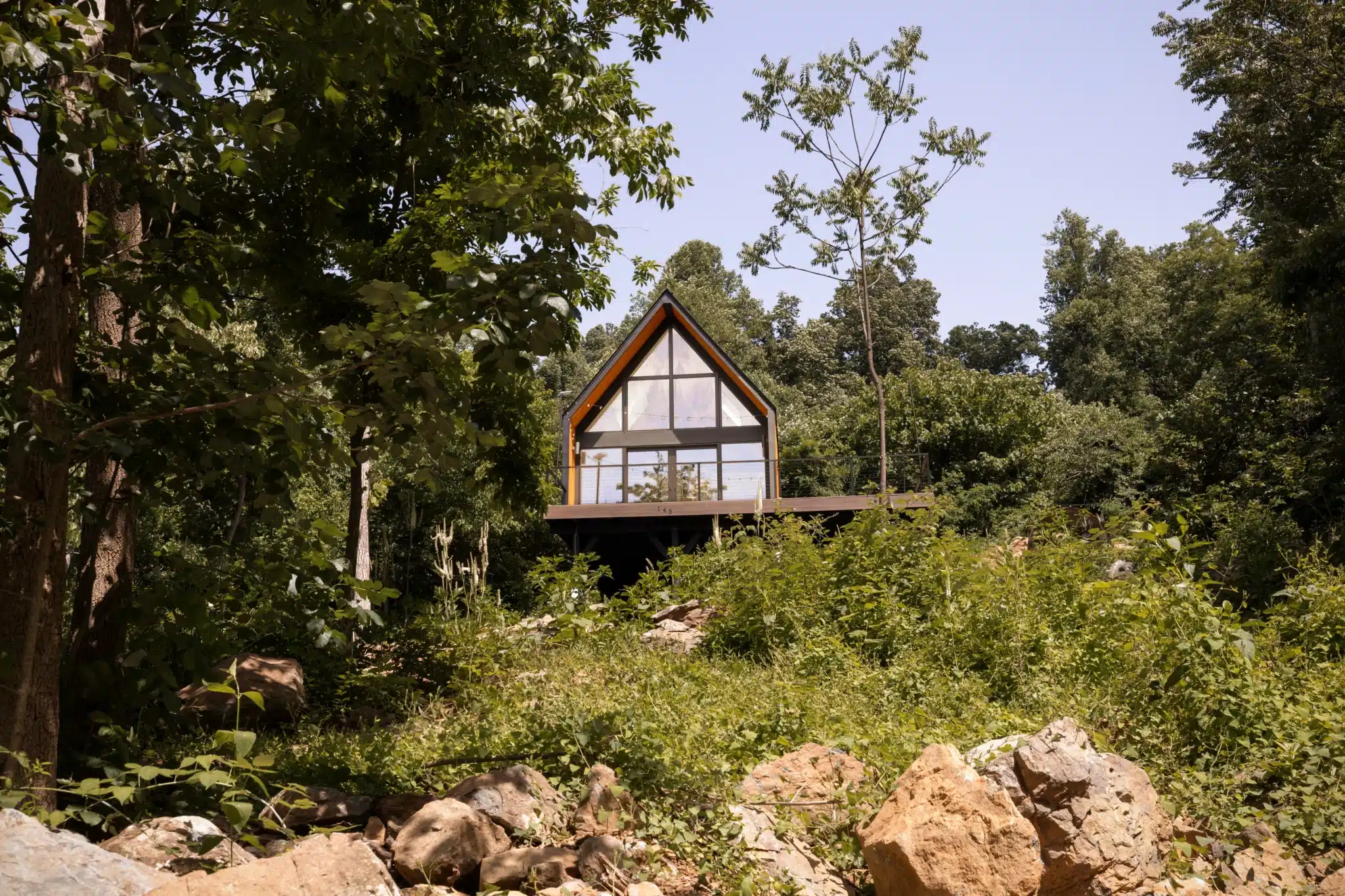
After a day chasing overlooks along Skyline Drive, Royal Oak Retreat puts you about 40 minutes from the park entrance, with a sunken hot tub waiting under the same Blue Ridge sky you spent the day admiring. Check availability for your fall trip here.
Content powered by inkSTR.co