
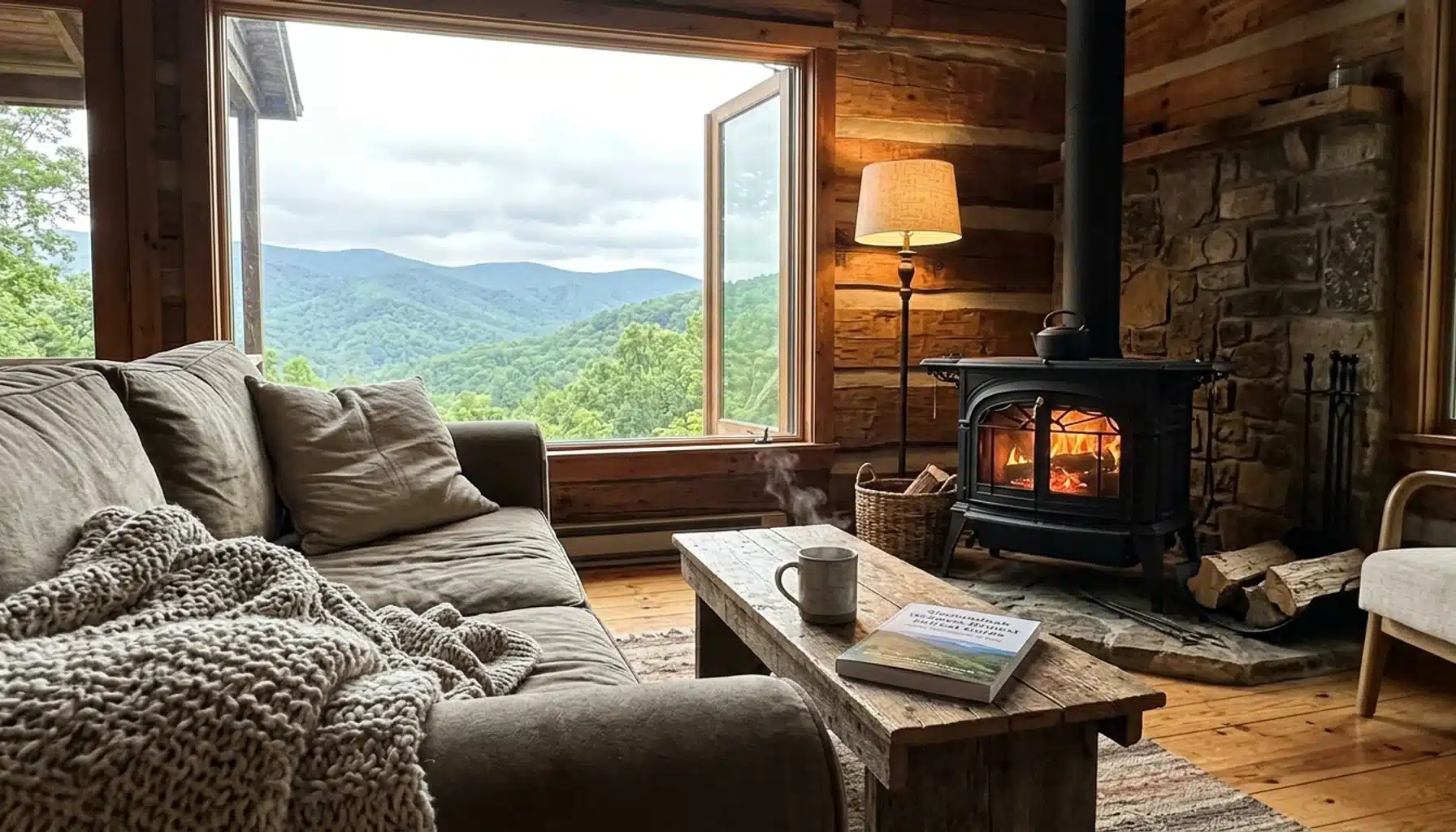
A self-care retreat near me in the Shenandoah Valley means a private cabin built specifically for rest, not a resort schedule packed with group classes and shared amenities. For travelers within driving distance of Washington D.C., that typically looks like a secluded property in the Blue Ridge foothills with a hot tub, sauna, or cold plunge on site, roughly 60 to 90 minutes from the DMV area depending on traffic out of the city.
Key Takeaways
- Shenandoah National Park drew approximately 1.7 million visitors in 2026 who spent $132 million in nearby communities, according to National Park Service visitor spending data, so the region’s wellness infrastructure has grown to match real demand.
- A genuine self-care retreat near the DC metro area should sit within about a 60 to 90 minute drive, close enough for a true weekend reset without eating up a full travel day.
- Contrast therapy, alternating a hot tub or sauna with a cold plunge, is a specific, verifiable wellness practice worth prioritizing over vague “spa access” claims when booking.
- Shenandoah Valley short-term rental occupancy sat at just 45.7% in January 2026 per Virginia Tourism Corporation data, meaning off-season retreats are easy to book and often quieter.
- Solo travelers, couples, and pet owners each have different logistical needs, from privacy and safety to pet weight limits, that should be confirmed directly with a property before booking.
- Royal Oak Retreat in Shenandoah Farms, Virginia, is one of the few properties in the region built around a dedicated contrast therapy island of hot tub, sauna, and cold plunge together.
Searching “self-care retreat near me” from the DC metro area used to return a mix of day spas, yoga studios, and out-of-state destination resorts that require a flight. That has shifted. As of 2026, the Shenandoah Valley has become a legitimate regional answer to that search, with a growing number of private cabins built specifically around wellness infrastructure rather than generic “cabin in the woods” marketing.
This guide covers what actually qualifies as a self-care retreat, how to search for one effectively using local terms and map filters, what a stay typically involves, and how to choose between the options within a couple hours of Washington D.C. It also covers the practical gaps most retreat guides skip: how to plan a retreat around remote work, what to pack, and what rural Virginia offers when a formal retreat center isn’t nearby.
Front Royal and Linden, Virginia sit roughly an hour from D.C. and about 40 minutes from the Front Royal entrance to Skyline Drive, which runs the length of Shenandoah National Park. That proximity, combined with a cluster of wineries and hiking access, has made the area one of the more concentrated wellness-cabin markets in the mid-Atlantic.
What Is a Self-Care Retreat, and What Makes One Legitimate?
A self-care retreat is a private, low-stimulation getaway built around physical restoration practices, such as hot water immersion, sauna heat, cold exposure, or unstructured time in nature, rather than sightseeing or entertainment. Unlike a typical vacation rental, a legitimate retreat property is designed so that rest is the default activity, not an afterthought squeezed between excursions.
Specifically, the difference between a marketed “retreat” and an actual one usually comes down to infrastructure. A cabin advertising a “spa-like” experience with a small inflatable hot tub is not the same as a property with a purpose-built contrast therapy setup. As a result, verifying specific amenities before booking matters more than trusting listing copy.
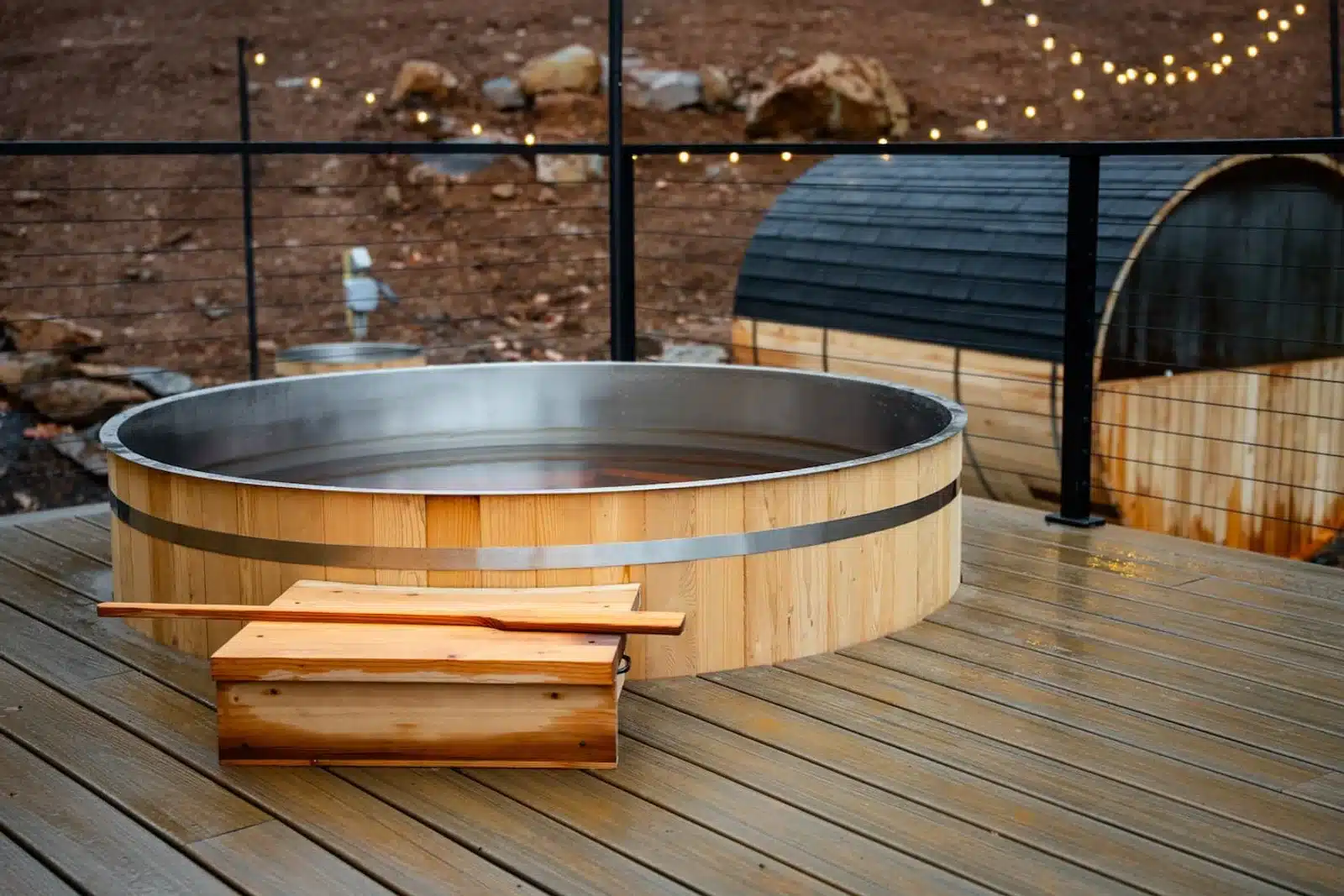
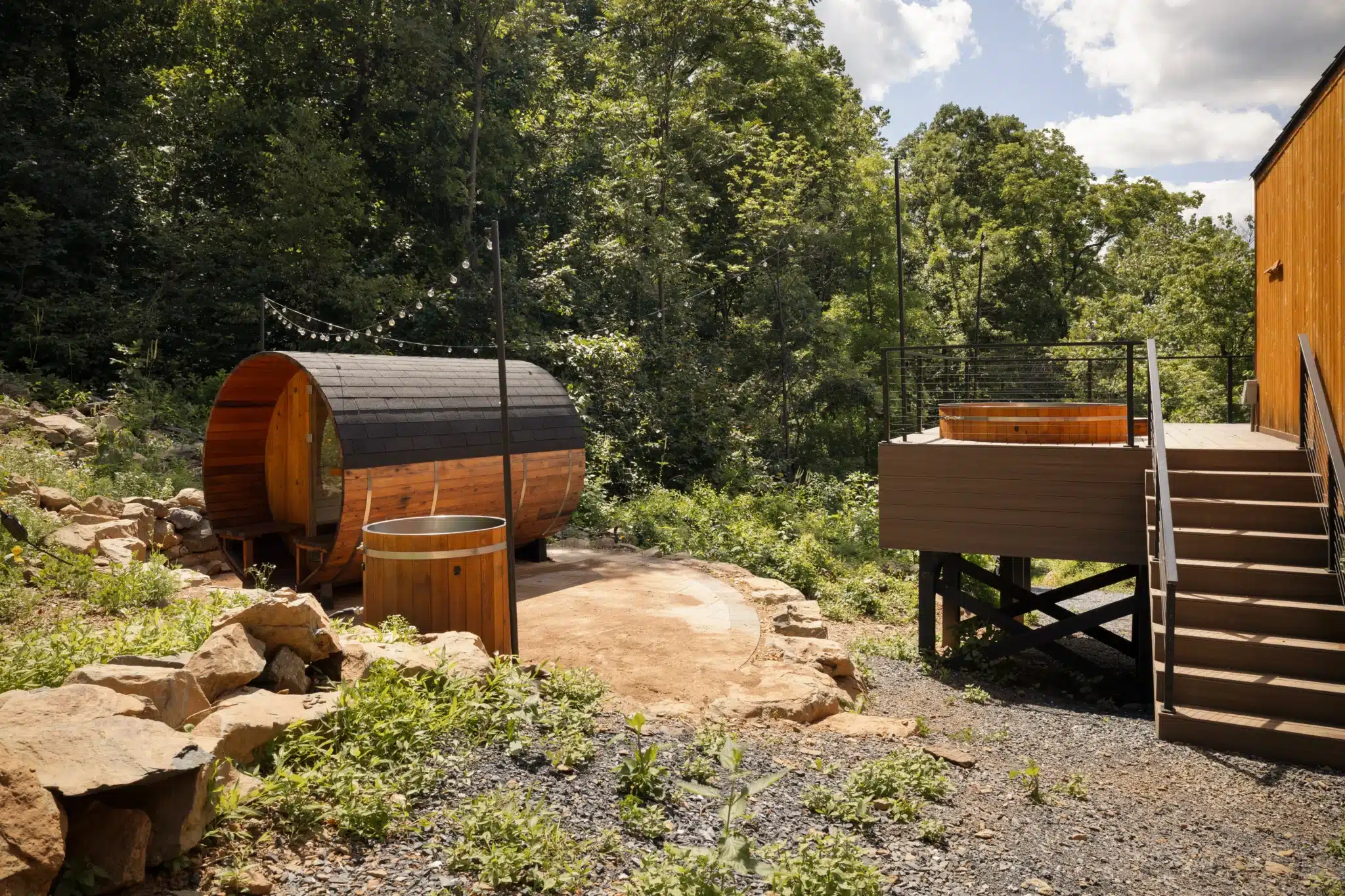
For example, Royal Oak Retreat in Shenandoah Farms pairs a sunken outdoor hot tub with stargazing views alongside a Scandinavian-style sauna and a cold plunge, positioned together as what the property calls a contrast therapy island. That combination, all three elements steps apart rather than scattered, is still uncommon among Shenandoah Valley cabin rentals, most of which offer a hot tub alone.
How Do You Find a Self-Care Retreat Near Your Location?
Finding a self-care retreat near your specific location starts with search terms more precise than “wellness retreat,” since that phrase pulls up everything from day spas to multi-week yoga programs. Instead, search “cabin with sauna [your region]” or “private hot tub cabin near [nearest city]” to filter for actual overnight properties with verified wellness amenities.
On Google Maps specifically, filter results by amenity keywords in the search bar itself, such as “sauna cabin rental,” rather than relying on generic category filters, which often miss small independent listings. Additionally, cross-reference any promising result against the property’s own website rather than trusting aggregator descriptions alone, since third-party listing sites sometimes carry outdated amenity information.
Reading recent guest photos, not just the professional listing photos, is one of the most reliable ways to confirm a hot tub or sauna is real and currently functioning. For readers near the DC metro area specifically, the Shenandoah Valley cluster around Front Royal and Linden, Virginia, roughly a 60 to 90 minute drive, is worth searching by name directly rather than relying on “near me” results, which can surface properties much farther away depending on how your search platform interprets your location.
If you want a curated starting point rather than sorting through scattered listings, our guide to cabin rentals in Shenandoah Valley Virginia breaks down the region’s wellness-focused properties by amenity type.
How Much Does a Wellness Retreat Typically Cost?
Wellness retreat pricing varies significantly depending on format, ranging from single-night private cabin stays to multi-day structured programs at destination resorts like Canyon Ranch or Kripalu, which typically bundle meals, classes, and lodging into one rate. A private cabin retreat, by contrast, is usually priced per night with no program fees, giving guests full control over how much of the stay is structured versus unscheduled.
Specifically, private cabin rates in the Shenandoah Valley fluctuate with season and demand. Virginia Tourism Corporation data shows Shenandoah Valley short-term rental occupancy at just 45.7% in January 2026, which typically means better rate flexibility and availability during winter months compared to fall foliage season or summer weekends. As a result, travelers with flexible schedules can often find meaningfully better value by booking a midweek or off-season stay.
Multi-day structured retreats at named wellness centers such as Rolling Ridge or the Sanctuary Retreat Center generally involve program fees on top of lodging, since they include facilitated activities and shared meals. A private cabin retreat skips that structure entirely: guests pay for the space and set their own schedule, which tends to suit travelers who want rest without a fixed itinerary.
Does Insurance Pay for Wellness Retreats?
Health insurance generally does not cover private wellness retreats, cabin stays, or spa-style getaways, since these are categorized as personal travel rather than medical treatment. Coverage differences do exist for retreats explicitly structured as licensed clinical programs, such as certain outpatient mental health intensives, but those are a distinct category from a private cabin or resort wellness stay.
Specifically, a stay built around a hot tub, sauna, and cold plunge, the kind offered at properties like Royal Oak Retreat, falls under discretionary travel and lodging, not a reimbursable medical expense. Some employers offer wellness stipends or flexible spending arrangements that can occasionally apply to travel, so checking with an employer’s benefits department is worth doing before assuming a stay is out of pocket entirely.
Travelers should also confirm directly with their insurance provider if a specific licensed retreat program claims to be partially covered, since those arrangements vary by policy and are not standard across the wellness travel industry.
Can You Go to a Self-Care Retreat Alone?
Yes, solo travel to a self-care retreat is not only possible but increasingly common, particularly among women planning intentional time away from work stress. Guides like the roundup of solo women’s wellness retreats circulating in 2026 travel media point to demand for private, low-stimulation lodging rather than group-oriented resort programs.
For solo travelers specifically, privacy and total control over the property matter more than they would for a couple’s trip. A fully private cabin, rather than a shared retreat center with communal dining and group sessions, gives a solo guest control over noise, schedule, and social interaction. That distinction is worth confirming before booking: some “retreat centers” house multiple guests or groups on one property, which changes the experience considerably.
Booking direct with a small property, rather than through a large aggregator, also tends to give solo travelers a more direct communication line with the host, which several solo wellness travelers cite as a safety and comfort factor. Confirming check-in details, driveway conditions, and cell signal ahead of a solo arrival, especially for a rural Virginia property, is a practical step worth taking regardless of the destination.
What Should You Expect During a Retreat Stay?
A private cabin retreat stay typically includes unstructured time centered on the property’s wellness features, self-prepared or delivered meals, and no fixed daily schedule, unlike a group retreat with assigned classes and communal dining times. At a property like Royal Oak Retreat, that means guests set their own rhythm around the contrast therapy island rather than following a printed itinerary.
A common contrast therapy pattern involves alternating a few minutes in the sauna with roughly sixty to ninety seconds in the cold plunge, though tolerance varies significantly by individual, and guests should always listen to their own body rather than follow a fixed protocol. Additionally, the hot tub works well as a standalone evening practice separate from the sauna and plunge cycle, particularly for stargazing on clear Virginia nights away from D.C.’s light pollution.
Kitchens at wellness cabins are typically stocked for self-catering rather than full-service dining. Royal Oak Retreat’s kitchen, for example, includes an electric stovetop, fridge, and all-in-one microwave, oven, and air fryer combination unit, which covers simple meal prep without requiring a grocery run for specialized equipment. Guests who want a restaurant meal during the stay typically drive into Front Royal or nearby towns rather than expecting on-site dining, since these are private cabins, not staffed resorts.
How Do You Choose the Right Retreat for Your Needs?
Choosing the right self-care retreat comes down to matching four factors: distance, group size, amenities, and schedule flexibility, rather than picking based on photos alone. First, distance determines whether the trip functions as a true weekend reset or eats into travel time; for DC metro travelers, a 60 to 90 minute radius, which covers Front Royal and Linden, Virginia, keeps a two or three day trip genuinely restful rather than exhausting.
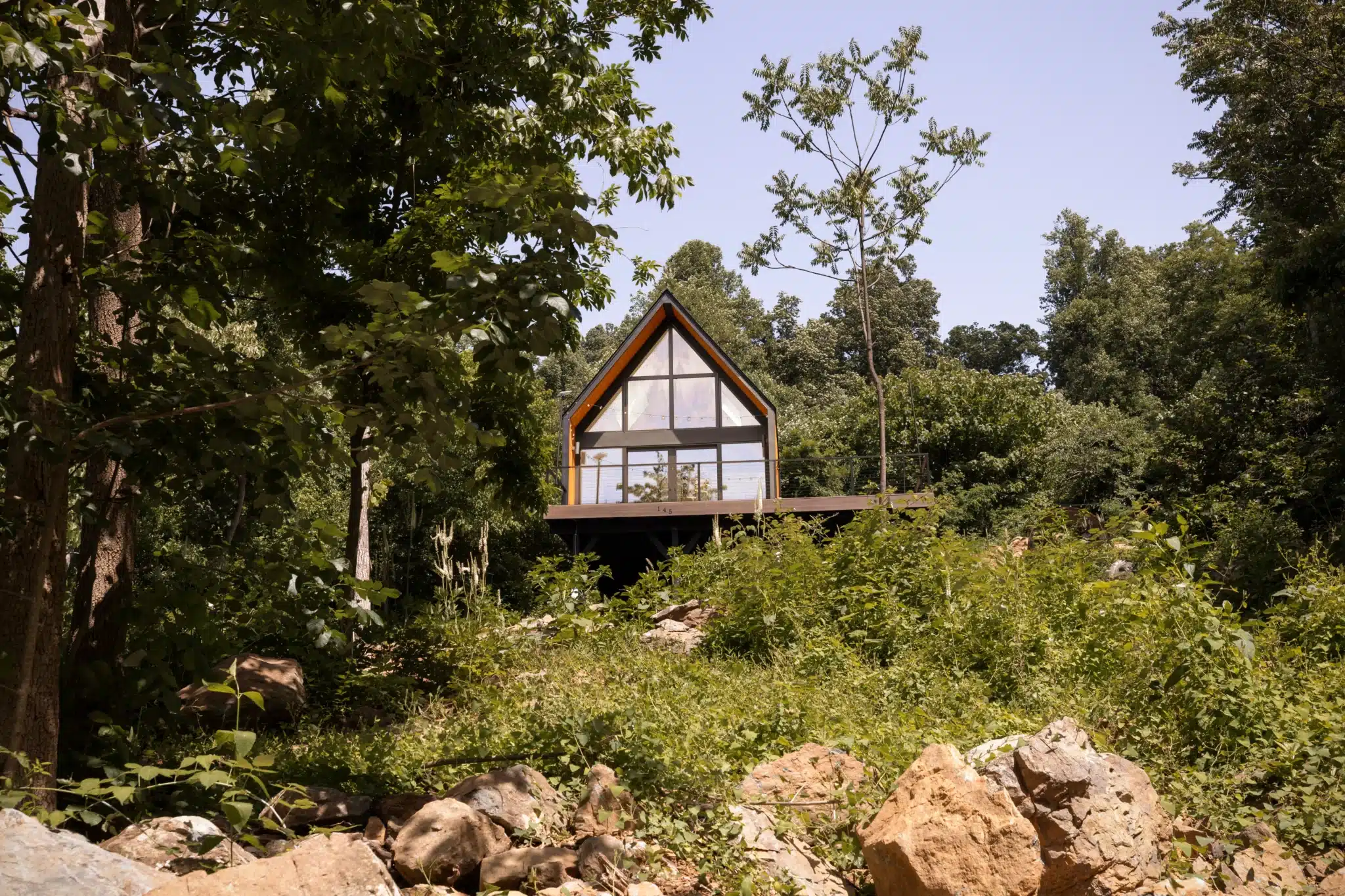
Second, group size matters more than it seems. A retreat built for two, like Royal Oak Retreat’s adults-first cabin sleeping up to four across a main bedroom and a loft, works differently than a large group house. Smaller, adults-only properties tend to stay quieter and more private, which matters for anyone specifically seeking rest rather than a group trip.
Third, verify amenities directly rather than trusting category tags. “Pet friendly” can mean anything from no restrictions to a strict weight limit, so confirm specifics: Royal Oak Retreat, for instance, allows one dog under 50 pounds with a pet fee, a detail worth knowing before arriving with a larger dog. Fourth, consider schedule flexibility. A private cabin lets you decide day-of whether to hike, soak, or do nothing, while a structured program locks you into a schedule set in advance.
Common Mistakes First-Time Retreat Bookers Make
- Booking based on listing photos alone without confirming the wellness amenity (hot tub, sauna) is currently operational and privately accessible, not shared.
- Overpacking the itinerary with day trips, defeating the purpose of an unscheduled reset.
- Not checking pet weight limits or fees before booking a “pet friendly” property.
- Ignoring vehicle requirements. Some Shenandoah Valley properties, including Royal Oak Retreat, require a 4×4 vehicle in winter due to steep driveways and possible snow.
- Assuming remote work is possible without confirming internet quality; Starlink-equipped cabins solve this, but not every rural property has reliable connectivity.
How Do You Plan a Retreat Around Remote Work or Family Obligations?
Planning a self-care retreat around remote work requires confirming internet reliability before booking, since rural Virginia cellular coverage is inconsistent and standard cabin wifi can lag during video calls. Properties equipped with Starlink satellite internet, such as Royal Oak Retreat, solve this specific problem, allowing guests to handle a morning call before disconnecting for the rest of the day.
Specifically, a practical approach for burnout recovery travelers juggling work is to front-load any unavoidable calls or check-ins into a two-hour morning window, then treat the remainder of the day as fully offline. This differs from trying to “work remotely” for a full retreat, which tends to undercut the actual point of the trip. As a result, guests get genuine rest without fully abandoning obligations.
For travelers managing family logistics rather than work, a two or three night window, arriving Friday afternoon and departing Sunday, tends to be the most realistic structure for a true reset without extended time away. Coordinating pet care, house sitting, or childcare in advance for that specific window is simpler to plan around than an open-ended trip, and it keeps the retreat itself free of logistical stress once you arrive.
What Should You Pack for a Rural Virginia Wellness Retreat?
Packing for a Shenandoah Valley wellness retreat should account for temperature swings between contrast therapy sessions and cooler mountain evenings, along with practical items rural retreat guides commonly overlook. A swimsuit or comfortable cover-up for hot tub and sauna use is essential, along with sandals that can get wet, since barefoot walking on a wooden deck after a cold plunge gets slippery.
Specifically, pack layers rather than a single jacket. Front Royal evenings can run 15 to 20 degrees cooler than daytime temperatures, especially in shoulder seasons like October or April, and fire pit sessions after dark benefit from a warm layer close at hand. Additionally, bring any personal toiletries and specific food items in advance, since the nearest full grocery store is typically a drive from more secluded cabin locations rather than a quick walk.
For winter stays specifically, confirm whether a property requires 4×4 capability, as Royal Oak Retreat does due to a steep driveway that can hold snow after storms. Bringing sturdy waterproof boots for forest walks, a headlamp for evening fire pit or stargazing sessions away from artificial light, and a portable phone charger for days spent intentionally off devices rounds out a realistic packing list for this specific region.
What Does the Shenandoah Valley Offer for Rural Retreat Seekers?
The Shenandoah Valley works as a self-care retreat destination specifically because it combines forest seclusion with real infrastructure, unlike more remote rural regions where a “retreat” might mean hours from the nearest grocery store or reliable cell signal. Front Royal and Linden sit close enough to Skyline Drive and Shenandoah National Park’s more than 500 miles of Blue Ridge trails that a retreat stay can include a single day hike without turning the trip into a sightseeing tour.
Notably, the region’s wineries add a low-effort activity option for guests who want a single outing without leaving the retreat mindset behind. Fox Meadow Winery in Linden sits about five minutes from Royal Oak Retreat, while Crimson Lane Vineyards in Hume is roughly eight minutes away, both manageable as a single afternoon stop rather than a full day commitment. The Giving Tree Farmers Market in Linden, about ten minutes out, is a good option for picking up local produce to cook during a self-catered stay.
For a bigger outing without leaving the region, Luray Caverns makes a reasonable half-day trip from Front Royal-area cabins, though it draws real crowds on weekends, so a weekday visit or early arrival is worth planning around. Compare that to national tourism data: Virginia’s tourism industry generated $35.1 billion in visitor spending in 2026, according to the Virginia Tourism Corporation, and the Shenandoah Valley specifically has been flagged as a region with standout lodging demand growth, meaning the area is no longer a niche wellness destination but an increasingly mainstream one.
Which Shenandoah Valley Property Best Fits a Self-Care Retreat?
Among Shenandoah Valley cabin rentals, Royal Oak Retreat stands out specifically for combining all three contrast therapy elements, a sunken stargazing hot tub, a Scandinavian sauna, and a cold plunge, into one dedicated wellness area rather than offering a single feature. Set in Shenandoah Farms near Front Royal and Linden, the cabin is roughly 40 minutes from the Front Royal entrance to Skyline Drive and about an hour from Washington D.C.
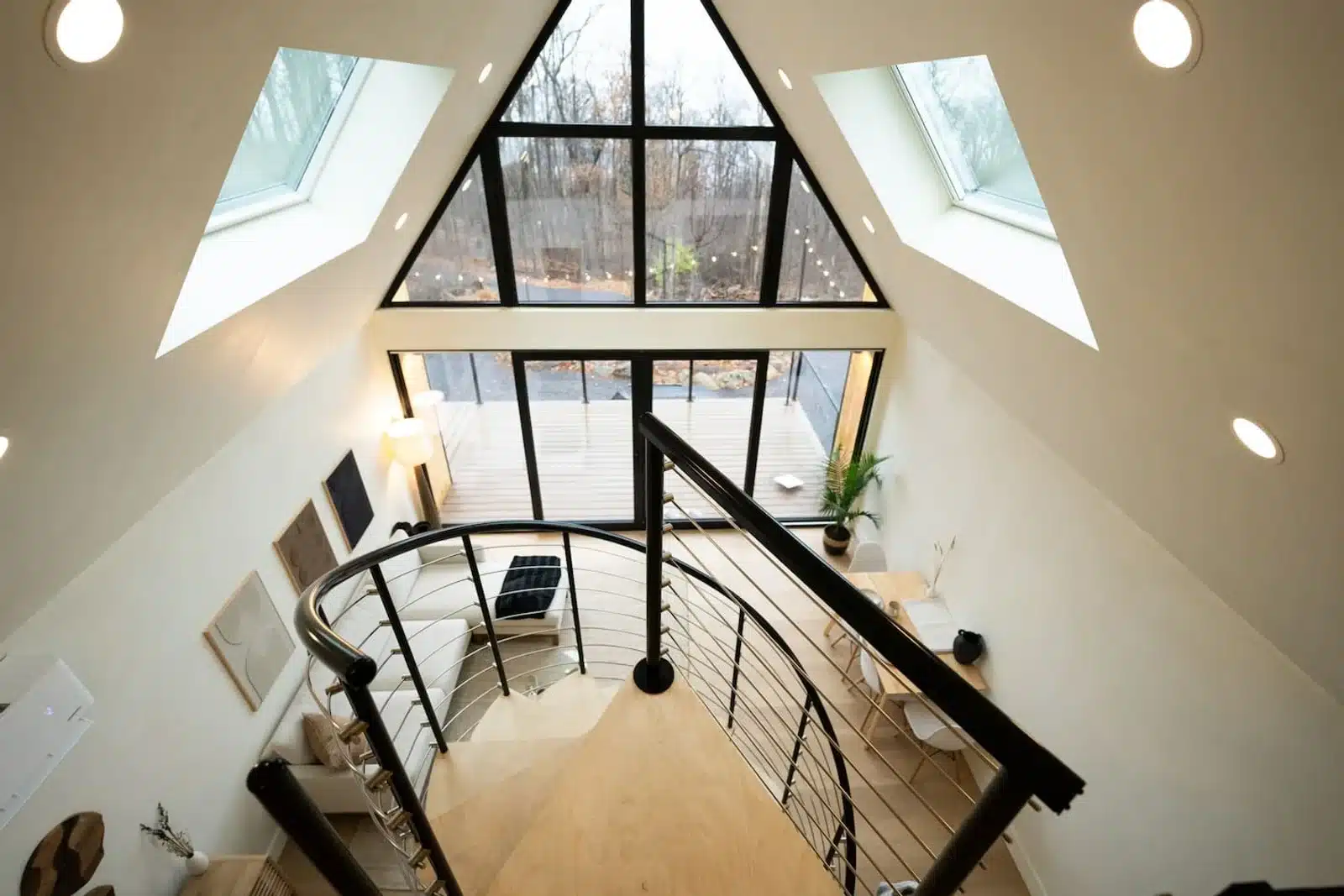
The 1,000-square-foot cabin holds a main bedroom with a king bed plus a loft with a queen bed reached by a spiral staircase, sleeping up to four guests total across its two bedrooms and one bathroom. That spiral staircase is worth noting for guests with mobility concerns, since it is not ideal for anyone with climbing difficulties. Floor-to-ceiling windows frame the surrounding woodland from inside, and the property was built fully non-toxic, without plastics or chemicals used in construction, a detail uncommon among comparable cabin rentals in the region.
For remote-work-adjacent stays, the cabin runs Starlink satellite internet and includes an on-site EV charger, both practical differentiators for DC metro travelers driving electric vehicles or needing to handle a morning email check before disconnecting. The property welcomes one dog under 50 pounds with a pet fee, and check-in runs 3 PM with 11 AM check-out, with early check-in sometimes available on request. Winter guests should plan for a 4×4 vehicle given the steep driveway. Compare this against the region’s other offerings in our guide to cabins near Shenandoah National Park, and you’ll find few properties pairing all three wellness elements this closely together.
Booking direct through royaloakretreat.com secures the best available rates and puts guests in direct contact with the host for any pre-arrival questions about the driveway, pet policy, or loft access.
Practical Guidance: What to Prioritize When Booking
When comparing self-care retreat options near the DC metro area, prioritize verified wellness amenities over vague marketing language, confirm pet and vehicle requirements before booking, and match the property’s privacy level to your actual need, solo, couple, or otherwise. A quick pre-booking checklist:
- Confirm the hot tub, sauna, or cold plunge is private to your reservation, not shared with other guests or units.
- Ask directly about internet reliability if remote work is part of your plan.
- Check pet weight limits and fees in writing rather than assuming “pet friendly” covers any dog.
- Verify vehicle requirements for winter travel, especially for properties on unpaved or steep driveways.
- Book direct with the property when possible for the clearest communication about arrival logistics.
Our guide to what to know before booking a cabin for rent in Shenandoah covers additional logistics worth reviewing ahead of a trip, and the Shenandoah hiking trail guide is useful if you plan to pair your retreat with a single day hike.
Frequently Asked Questions
Does Royal Oak Retreat actually have a private hot tub, or is it shared?
The hot tub at Royal Oak Retreat is a large sunken outdoor hot tub on the property’s private deck, exclusive to the guests staying in that reservation, not shared with other units or guests.
Is Royal Oak Retreat pet-friendly, and are there restrictions?
Royal Oak Retreat welcomes one dog under 50 pounds per stay, with a $100 pet fee applied to the reservation. Larger dogs or multiple pets should be confirmed directly with the host before booking.
How far is Royal Oak Retreat from Shenandoah National Park?
Royal Oak Retreat sits roughly 40 minutes from the Front Royal entrance to Shenandoah National Park’s Skyline Drive, and about an hour’s drive from Washington D.C.
Is there EV charging available on-site at Royal Oak Retreat?
Yes, Royal Oak Retreat has an on-site EV charger, along with Starlink high-speed internet, making it a practical option for DC metro travelers driving electric vehicles.
Is Royal Oak Retreat suitable for families with children?
Royal Oak Retreat is positioned as an adults-first retreat, sleeping up to four guests across a main bedroom and a loft reached by a spiral staircase. The atmosphere and layout, including the staircase access, are designed with adult couples and solo travelers in mind rather than family groups.
What’s included in the contrast therapy setup at Royal Oak Retreat?
The contrast therapy island at Royal Oak Retreat includes a sunken stargazing hot tub, a Scandinavian-style sauna, and a cold plunge, positioned together so guests can move between heat and cold exposure without leaving the deck area.
What is the best time of year to visit Shenandoah Valley for a wellness getaway?
Shenandoah Valley short-term rental occupancy was just 45.7% in January 2026 according to Virginia Tourism Corporation data, making winter months a quieter, more available window for a retreat stay, while fall foliage season draws the heaviest demand and requires earlier booking.
Conclusion
A self-care retreat near the DC metro area, in 2026, most reliably means a private Shenandoah Valley cabin with verified contrast therapy amenities rather than a generic “spa access” claim, sitting within a 60 to 90 minute drive for a genuine weekend reset. Shenandoah National Park’s rising visitation, 1.7 million visitors in 2026 alone, has helped push the region’s lodging quality upward, and off-season windows like January remain the easiest time to book without competing for availability.
Shenandoah Valley rewards travelers who slow down enough to notice it, whether that’s the exact mile marker where the crowds thin out on Skyline Drive or the quiet of a forest deck after dark. Royal Oak Retreat was built around that same principle: fewer distractions, more of what actually restores you.
If a private hot tub, Scandinavian sauna, and true forest seclusion sound like the reset you’ve been putting off, Royal Oak Retreat is booking direct, with no OTA layer standing between you and the woods.
Content powered by inkSTR.co