
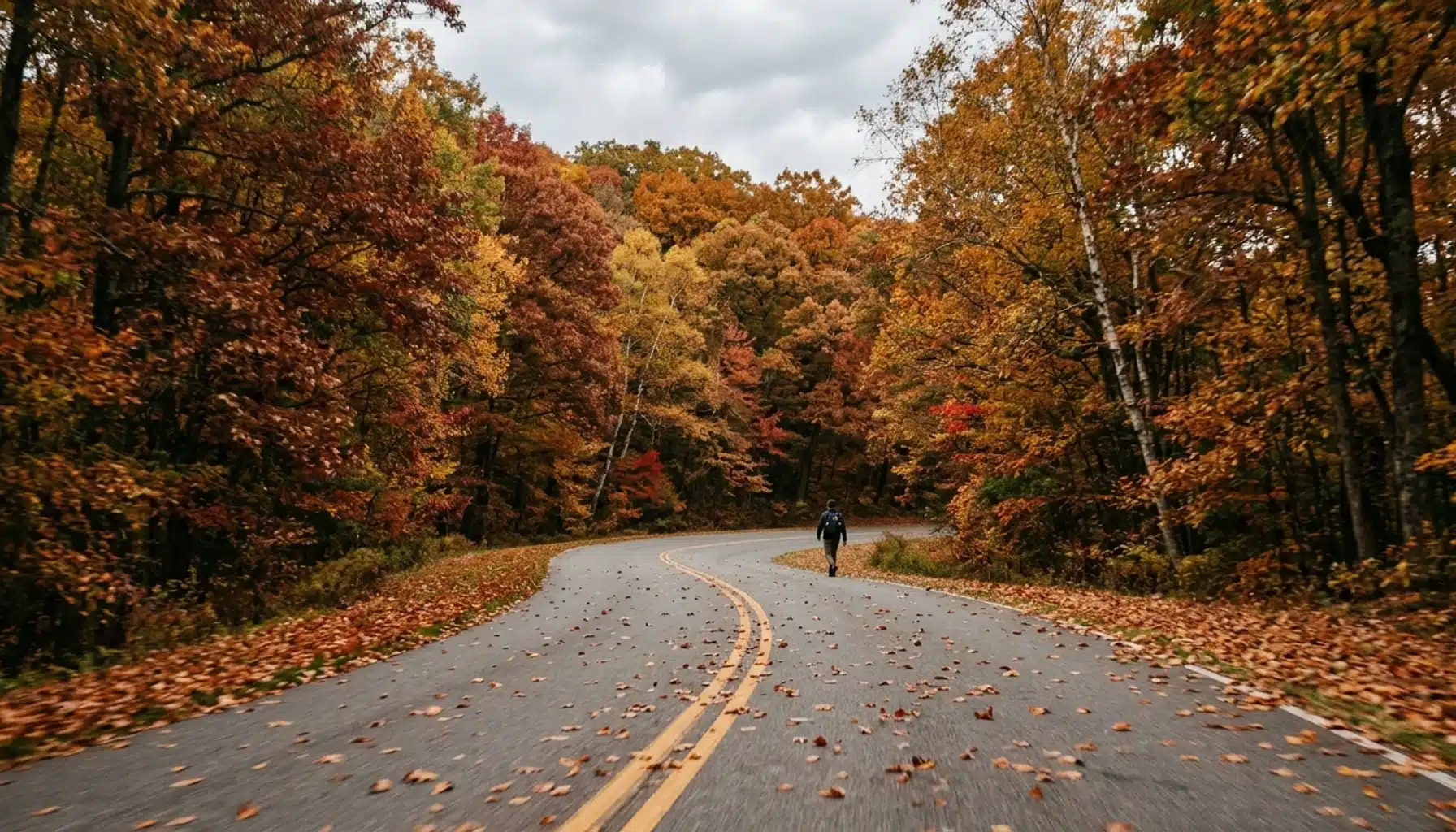
The things to do in Shenandoah Valley VA range from walking a ridgeline trail above the Blue Ridge cloud line to sitting in a cedar sauna with Virginia forest pressing in on every side. This region covers the full stretch of the Valley between the Blue Ridge Mountains to the east and the Allegheny Mountains to the west, with Shenandoah National Park’s 200,000-plus acres anchoring the experience for most visitors. What makes it genuinely useful to know before you arrive: not every season, not every trailhead, and not every town delivers the same value.
- Shenandoah National Park covers more than 200,000 acres and sits just 75 miles from Washington D.C., making it one of the most accessible wilderness destinations on the East Coast for a weekend trip.
- October draws roughly 24% of the park’s annual visitors, according to the Shenandoah Valley Travel Association, so fall foliage weekends on Skyline Drive require early starts or mid-week timing to avoid gridlock.
- The Shenandoah Valley divides naturally into three geographic zones: Northern (Front Royal, Linden, Shenandoah Farms), Central (Luray, Harrisonburg), and Southern (Waynesboro, Staunton), each with a distinct activity mix.
- Contrast therapy combining a Scandinavian sauna with a cold plunge is emerging as a signature reason travelers book private cabin stays in the valley rather than standard lodging in 2026.
- Fox Meadow Winery in Linden is five minutes from Royal Oak Retreat, and Crimson Lane Vineyards in Hume is eight minutes away, making the Northern Valley one of Virginia’s most rewarding wine-country detours.
- A 7-day vehicle pass costs $30 and can be purchased in advance to skip the gate line at busy entrances.
Virginia generated a record $35.1 billion in visitor spending in 2026, a 5.4% increase from the prior year, according to the Virginia Tourism Corporation. Overnight visitation reached 44.7 million visitors, surpassing pre-pandemic levels for the first time. The Shenandoah Valley sits at the center of that growth, drawing urban travelers from the Washington D.C., Maryland, and Northern Virginia area who want wilderness access without a cross-country flight.
This guide cuts through the obvious to tell you what is actually worth your time in each season, which trails match which fitness levels, where to eat and drink without ending up in a tourist trap, and how to structure a weekend that leaves you genuinely restored rather than just scenery-saturated. If you are planning a stay in the Northern Valley near Front Royal or Linden, the nearby experiences from the cabin page at Royal Oak Retreat provides a curated map of wineries, trailheads, and local markets within 30 minutes of Shenandoah Farms.
What Are the Best Things To Do in Shenandoah Valley VA?
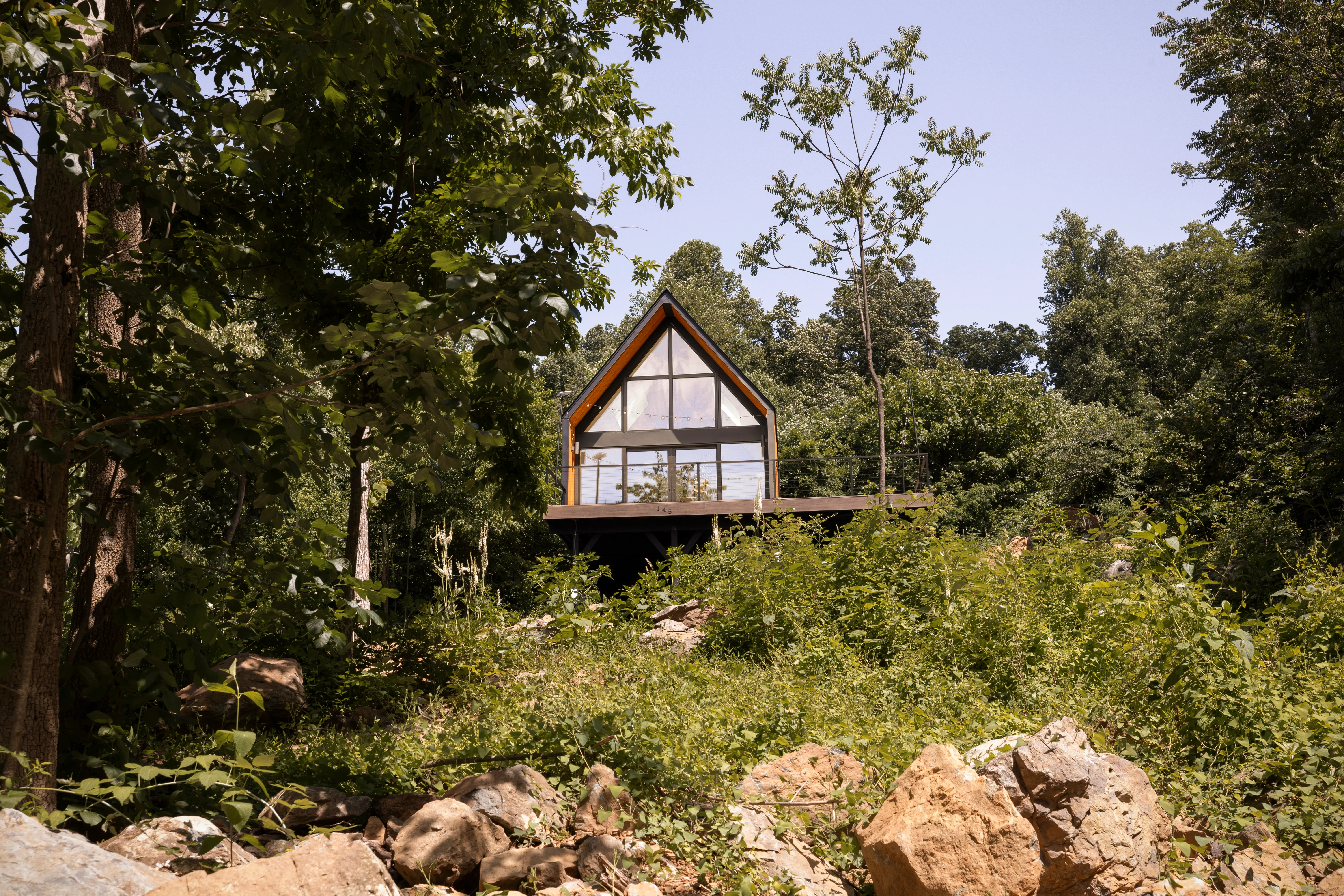
The best things to do in Shenandoah Valley VA are hiking the park’s trail network, driving Skyline Drive with planned overlook stops, visiting working wineries in the Front Royal and Linden corridor, kayaking or floating the South Fork of the Shenandoah River, and spending time at one of the valley’s working farms or artisan markets. For 2026, private wellness cabin stays with contrast therapy amenities have become a destination activity in their own right, not just a place to sleep between hikes.
The valley’s activity offering splits cleanly across three zones. The Northern Valley (Front Royal, Linden, Shenandoah Farms) gives you the fastest access to Skyline Drive’s northern entrance, the closest wine country, and the most secluded private cabin options. The Central Valley (Luray, Harrisonburg) sits near Luray Caverns, the South Fork river corridor, and a walkable downtown food scene. The Southern Valley (Waynesboro, Staunton) offers Afton Mountain, the Appalachian Trail crossing, and the Museum of the Shenandoah Valley in Winchester.
One practical note before you drive: check the official NPS activity page for Shenandoah National Park before visiting. The park occasionally closes sections of Skyline Drive due to weather, and trail conditions change after storms. That two-minute check saves significant frustration on arrival.
What Not To Miss in Shenandoah National Park?
Shenandoah National Park is a 196,000-acre protected wilderness stretching 105 miles along the Blue Ridge Mountains in Virginia. The park features more than 500 miles of hiking trails, cascading waterfalls, long-range ridge views, and wildlife including black bears, white-tailed deer, and over 200 bird species. The single most important thing to understand before visiting: the park is not a loop. Skyline Drive runs north to south with four entrance stations. Where you enter determines what you can reach in a day.
Top Trails by Difficulty and Distance
For trails, specificity matters more than any general recommendation. Dark Hollow Falls is the most popular short hike in the park: 1.4 miles round trip with a 440-foot elevation drop to a 70-foot cascade. Go on a Tuesday or Wednesday morning to have the falls nearly to yourself. On summer weekends, the parking area fills by 9am.
Hawksbill Summit reaches the park’s highest point at 4,050 feet. The upper loop trail runs 2.9 miles with 950 feet of elevation gain. The view from the stone observation platform looks south and east over the Piedmont, and on clear days extends 50 miles. This is the trail most worth saving for a weekday.
The Bearfence Rock Scramble near mile marker 56.4 on Skyline Drive is a 1.2-mile loop involving real scrambling over exposed quartzite. It is short enough for most fitness levels but technical enough to feel genuinely adventurous. The 360-degree summit view takes roughly 25 minutes from the trailhead. Do not attempt it in rain or immediately after rain when the rock surface becomes slick.
Blackrock Summit at mile marker 84.4 is the opposite: one mile round trip, 175 feet of elevation gain, and a talus field summit that feels dramatic without requiring athletic exertion. If you are traveling with someone who is not a regular hiker, this is the trail that will convert them.
For a full trail-by-trail breakdown organized by difficulty and trailhead access, the guide to hiking trails in Shenandoah National Park covers every major route from Front Royal to Rockfish Gap.
Scenic Overlooks Worth the Drive
Skyline Drive’s 75 overlooks are not all equal. Franklin Cliffs Overlook near mile marker 37 offers one of the most dramatic cliff-edge views on the entire drive. Stony Man Overlook, accessible from Skyland at mile 41.7, gives a view across the Shenandoah Valley floor that genuinely stops conversation. Hogback Overlook near mile 21 in the Northern District is worth the stop specifically in October when the color appears at eye level below the road rather than above it.
Guests at Royal Oak Retreat in Shenandoah Farms are 40 minutes from Skyline Drive’s northern entrance at Front Royal, which positions the Northern District overlooks as a comfortable morning excursion with enough time to return for a late-afternoon contrast therapy session before dark.
What Is Shenandoah Valley Famous For?
Shenandoah Valley is famous for its Blue Ridge Mountain scenery, Skyline Drive, the 500-mile trail network inside Shenandoah National Park, and its Civil War battlefield history. In 2026, the valley has also become well-known for its wine country corridor, agritourism farms, and a growing category of luxury wellness cabin rentals that attract urban travelers from the Washington D.C. metro area. According to the Virginia Tourism Corporation, Virginia generated $35.1 billion in visitor spending in 2026, with the Shenandoah region among the top-performing destinations.
Wineries, Farms, and Local Markets
The Northern Valley wine corridor between Linden and Flint Hill is one of Virginia’s best-kept agricultural secrets. Fox Meadow Winery in Linden sits five minutes from Royal Oak Retreat and produces small-lot reds in a tasting room that skips Instagram setups entirely in favor of actual conversation about the wines. Go on a Saturday afternoon and plan to stay two hours. The pours are generous and the setting is genuinely quiet.
Crimson Lane Vineyards in Hume is eight minutes from the cabin and draws a local crowd rather than a tourist one. The tasting room is relaxed, the wines lean toward European styles, and the vineyard views from the outdoor seating area are worth the short drive even if you order only one glass.
White Oak Lavender Farm in the Central Valley combines a working lavender operation with a small winery, farm animals, and lavender-infused products. The farm is best visited in June or early July when the lavender fields are in bloom. Outside of bloom season, the winery tasting room remains open but the visual drama decreases substantially.
The Harrisonburg Farmers Market runs Tuesday and Friday mornings from 8am to 1pm in summer, and Saturday mornings from 9am to 1pm in winter. It is a working market, not a tourist attraction, which means the produce, meat, and prepared foods are actually what people in Harrisonburg buy for their households. That distinction matters when you are choosing between a genuine local experience and a curated one.
The Giving Tree Farmers Market in Linden, about 10 minutes from Royal Oak Retreat, covers the Northern Valley’s local produce and artisan goods. For guests spending the weekend in Shenandoah Farms, this is the more practical stop for stocking the cabin kitchen before a night in.
Wildlife, Waterfalls, and Natural Scenery
Shenandoah National Park’s wildlife viewing is most productive at dawn and dusk along Skyline Drive, particularly in the Northern and Central Districts. White-tailed deer appear at overlooks with reliable frequency. Black bears are present in the park and regularly sighted along the drive, especially in berry season from July through September. Keep 75 feet of distance if you encounter one, and store all food in a vehicle or bear canister.
Page Valley, which runs along the South Fork of the Shenandoah River, contains 55 miles of river corridor according to Page Valley Tourism, making it one of the best flatwater and mild-whitewater paddling destinations in the mid-Atlantic. Shenandoah River Outfitters operates canoe, kayak, and tube rentals on the South Fork and is a well-regarded outfitter with a long operational history in the region.
What Are Some Lesser-Known Experiences in Virginia Near the Valley?
The lesser-known experiences in Virginia near the Shenandoah Valley include working falconry demonstrations, primitive backcountry cabin stays inside the national park, and genuinely local agricultural fairs that draw no tourist traffic at all. These require more advance planning than the standard trail-and-winery itinerary, but they are the experiences most likely to stick as a genuine memory rather than a pleasant afternoon.
Raptor Hill Falconry offers hands-on experiences with trained raptors in a setting that most Shenandoah visitors drive past without knowing it exists. Book well in advance, particularly in fall. Sessions are small and the experience is structured around actual falconry practice, not a performance.
The Potomac Appalachian Trail Club (PATC) maintains six primitive backcountry cabins inside Shenandoah National Park, bookable through their online reservation system. These are rustic structures with no electricity, wood stoves, and access only by trail. They are ideal for hikers who want a backcountry overnight without the gear weight of a full camping kit. Availability goes fast, particularly for fall weekends.
The Page Valley Agricultural and Industrial Fair runs annually in August and draws the kind of crowd that has been attending the same fair for three generations. There is nothing packaged about it. The livestock shows, demolition derby, and carnival food are exactly what a rural Virginia county fair has always been, which is precisely why it is worth going if you are in the area.
For a summer music experience, Doah Fest is a camping music festival held on a farm along the Shenandoah River each July. The Shenandoah Valley Music Festival runs from July through September at an outdoor pavilion in Orkney Springs and covers classical, jazz, and roots music in a setting that has no equivalent within 100 miles. Check dates and reserve early for the late-summer performances.
If you are comparing lodging options in the region, the breakdown of the best place to stay in Shenandoah Valley VA covers towns, property types, and the specific trade-offs of each zone honestly.

When Is the Best Time of Year To Visit the Shenandoah Valley?
The best time of year to visit the Shenandoah Valley depends entirely on what you want from the trip. Fall foliage peaks between mid-October and early November and draws the valley’s highest visitor volumes. Spring wildflower season from late April through May offers comparable beauty with far fewer crowds. Summer is the most activity-rich season but also the most crowded. Winter is underrated for travelers staying in a private cabin with a hot tub, sauna, or fire pit, as the bare canopy opens ridge views that summer foliage blocks entirely.
Season-by-Season Breakdown
| Season | Best Activities | Crowd Level | Key Consideration |
|---|---|---|---|
| Spring (Apr: May) | Wildflower hikes, waterfall trails, winery openings | Moderate | Trail mud after rain; check conditions before driving to remote trailheads |
| Summer (Jun: Aug) | River floating, farm visits, farmers markets, Doah Fest | High | Peak STR season; book accommodations 45+ days in advance per AirROI 2026 data |
| Fall (Sep: Nov) | Foliage drives, ridge hikes, harvest wine tastings | Very High in October | October is the single busiest month; mid-week visits recommended |
| Winter (Dec: Mar) | Stargazing, sauna and hot tub sessions, snow hikes | Low | 4×4 vehicle recommended for steep driveways; some facilities closed |
According to AirROI’s 2026 dataset covering June 2026 through May 2026, peak short-term rental season in Shenandoah runs in July, October, and August, with average occupancy of 58.5% and average daily rates near $366 per night. Low season runs January through March with occupancy near 39.8%. Those winter months are where private cabin stays deliver the best value and the most genuine solitude.
Spring deserves specific mention. The Festival of Spring in Luray runs annually in May and pairs well with a cabin stay that uses the Valley as a base. Trillium, bloodroot, and Virginia bluebells bloom along forest trails from late April onward, and the crowds have not yet built to summer levels. For visitors who want the park’s best conditions with the fewest cars on Skyline Drive, late April is the answer.
Winter at Royal Oak Retreat specifically rewards guests who time their stay for a cold, clear night. The cabin’s sunken outdoor hot tub is positioned to look directly up at the Virginia sky, and with the leaf canopy gone and no ambient light from nearby structures, the stargazing conditions between November and February are genuinely exceptional. The contrast therapy island (sauna, cold plunge, and hot tub in sequence) is operational year-round and arguably more rewarding in cold weather when the temperature differential between sauna and cold plunge is at its most intense.
What Is the Best Town To Stay in When Visiting Shenandoah?
The best town to stay in when visiting Shenandoah depends on which part of the valley you plan to spend most of your time in. Front Royal is the right base for Northern Shenandoah National Park access, Skyline Drive, and the Linden wine corridor. Luray works best for Central Valley activities including the South Fork river corridor and Luray Caverns. Harrisonburg suits travelers combining hiking with a walkable urban food and arts scene. Staying in the Shenandoah Farms area between Front Royal and Linden puts you equidistant from multiple access points and positions you within 10 minutes of Northern Valley wineries.
Front Royal anchors the Northern Valley and serves as the main gateway to Skyline Drive’s Mile 0 entrance. The town itself has a compact downtown with several locally owned restaurants and shops. It is not a tourist village, which is actually an advantage: the businesses here serve year-round residents, so quality tends to be more consistent.
Luray is the Central Valley’s tourism hub. Luray Caverns is the best-known attraction and genuinely worth the visit despite its high profile: the cavern formations are impressive at scale, and the audio tour is well-produced. Luray is also the most practical base for floating the South Fork. Note that the town’s lodging and dining cluster can feel congested on peak fall weekends, so book well ahead.
Harrisonburg is the valley’s most walkable urban option, with a downtown that supports independent restaurants, coffee shops, and the Virginia Quilt Museum. The museum is a legitimate cultural destination, not a novelty: it holds both historic and contemporary textile work and consistently draws textile artists and historians from across the region. The Hugo Kohl Jewelry Boutique and Workshop on the downtown strip creates handmade pieces using reclaimed materials and is worth a stop for anyone looking for locally made gifts.
For travelers who want Northern Valley access, winery proximity, and private cabin solitude, the cabin rentals in Shenandoah Valley Virginia section of the Royal Oak Retreat site covers the specific advantages of the Shenandoah Farms zone in detail. Royal Oak Retreat itself sits in this corridor: one hour from Washington D.C., 40 minutes from Shenandoah National Park’s northern entrance, and 5 to 8 minutes from two working wineries.
How To Plan Your Shenandoah Valley Trip: Practical Logistics
Planning a Shenandoah Valley trip requires deciding on three things before anything else: your entry zone (Northern, Central, or Southern), your accommodation type, and your entrance fee strategy. The practical logistics that most generic guides omit are the ones that cause the most friction on arrival.
Entrance fees: A 7-day vehicle pass costs $30. You can buy a Shenandoah entrance pass online via Recreation.gov and scan it at the gate without stopping. During October weekends, gate lines can run 20 to 40 minutes at the Front Royal and Thornton Gap entrances. Buying online eliminates that wait. If you visit two or more national parks in a year, the America the Beautiful National Park Pass costs $80 and covers unlimited entries to all federal lands.
Accommodation booking windows: AirROI’s 2026 data shows the average booking lead time for short-term rentals in Shenandoah is 45 days in advance. In practice, the best properties in the Northern Valley book further out than that during October and over holiday weekends. If you have a specific fall weekend in mind, booking 60 to 90 days ahead is more reliable than the average suggests.
Vehicle considerations: A 4×4 or all-wheel-drive vehicle is recommended for winter stays at private cabins with steep wooded driveways. Royal Oak Retreat specifically requires a 4×4 in winter months due to the driveway grade and possible snow accumulation. Many travelers arriving from D.C. in front-wheel-drive sedans discover this the hard way in January. Check with your accommodation before you travel if your visit falls between December and March.
Maps and trail resources: The Shenandoah National Park Association sells detailed topographic trail maps and hiking guides that cover the park with more granularity than free NPS handouts. For first-time visitors planning more than one trail day, the investment in a proper trail map pays for itself on the first navigation decision.
The Visit Shenandoah regional tourism board and Go Shenandoah both maintain current event calendars and lodging directories that are updated seasonally. For in-park lodging specifically, the Shenandoah National Park Official Lodging Page covers Skyland Lodge at Mile 41.7, Big Meadows Lodge, and Lewis Mountain Cabins at Mile 57.5, all operated by Delaware North. These park lodges are the right choice for guests who want to sleep inside the park boundary. For guests who want private wellness amenities and a more intentional design experience, private cabin rentals in the valley perimeter serve a different need entirely.
Accessibility notes: Skyline Drive itself is fully paved and accessible by vehicle to all mobility levels, with accessible restrooms at major overlooks and visitor centers. The Shenandoah National Park Visitor Centers at Dickey Ridge (Mile 4.6) and Harry F. Byrd (Mile 51) are both wheelchair accessible and provide the best orientation to the park’s current conditions, seasonal programs, and ranger-led walks. Most hiking trails involve uneven terrain and are not suitable for wheelchairs, though several accessible paved paths exist near the visitor centers.
Frequently Asked Questions
What not to miss in Shenandoah National Park?
Do not leave without hiking at least one trail to a ridge or waterfall. Dark Hollow Falls (1.4 miles round trip) is the most accessible waterfall hike in the park, and Hawksbill Summit rewards a moderate 2.9-mile effort with the park’s highest-elevation views. Skyline Drive itself deserves a slow, unhurried drive with planned stops at the Dickey Ridge and Harry F. Byrd visitor centers for context on the park’s history and current trail conditions.
What is Shenandoah Valley famous for?
Shenandoah Valley is famous for its Blue Ridge Mountain scenery, Skyline Drive, the 500-mile trail network inside Shenandoah National Park, and its Civil War history. In 2026, the valley is also gaining recognition for its wine country, agritourism farms, and the growing category of luxury wellness cabin rentals that attract urban travelers from the Washington D.C. metro area seeking contrast therapy, forest immersion, and private stargazing retreats.
What are some lesser-known experiences in Virginia near the Shenandoah Valley?
Raptor Hill Falconry near the Northern Valley offers a hands-on falconry experience that most visitors never discover. The Potomac Appalachian Trail Club maintains six primitive backcountry cabins inside Shenandoah National Park that are bookable by hikers seeking a rustic overnight experience far from the main lodges. The Page Valley Agricultural and Industrial Fair, held annually in August, is a genuinely local event with no tourist overlay.
What is the best town to stay in when visiting Shenandoah?
Front Royal is the best base for travelers focused on Northern Shenandoah National Park access, Skyline Drive, and nearby wineries in the Linden corridor. Luray suits those prioritizing Central Valley attractions including Luray Caverns and the South Fork of the Shenandoah River. Harrisonburg works best for travelers combining Shenandoah hiking with urban amenities, markets, and the James Madison University area. Your chosen accommodation zone determines which activities are genuinely accessible versus a long drive away.
When is the best time to visit Shenandoah Valley?
Mid-October brings peak fall foliage but also the valley’s heaviest crowds, with October accounting for roughly 24% of Shenandoah National Park’s annual visitation according to the Shenandoah Valley Travel Association. Late April through early June offers spring wildflowers, green-lit forests, and far fewer cars on Skyline Drive. Winter is the most underrated season for those staying in a private cabin with a hot tub or sauna, as the bare canopy opens long-range views and stargazing conditions improve dramatically.
Do I need a reservation to enter Shenandoah National Park?
As of 2026, Shenandoah National Park does not require a timed-entry reservation for general access, though this policy can change during peak periods. You do need to pay an entrance fee: a 7-day vehicle pass costs $30 and can be purchased in advance via Recreation.gov to skip the gate line. The America the Beautiful annual interagency pass ($80) covers unlimited Shenandoah entries and is worth buying if you plan to visit more than two or three national parks in a year.
Is Shenandoah National Park pet-friendly?
Yes. Shenandoah National Park is one of the few national parks in the eastern United States that allows leashed pets on most hiking trails, making it an excellent destination for dog owners. Pets must remain on a leash no longer than six feet at all times on park trails. Some facilities, including campgrounds and visitor center interiors, have additional restrictions, so check the official NPS page for current pet-access details before your visit.
How far is Shenandoah National Park from Washington D.C.?
Shenandoah National Park’s northern entrance at Front Royal sits approximately 75 miles from Washington D.C., typically a 90-minute drive under normal traffic conditions. Leaving Washington D.C. on a Friday evening can extend that drive to two hours or more, so most visitors planning a weekend trip benefit from departing by early afternoon. Guests staying at Royal Oak Retreat in Shenandoah Farms are positioned roughly one hour from D.C. and 40 minutes from the park’s Skyline Drive entrance.
Making the Most of Your Shenandoah Valley Trip
The Shenandoah Valley rewards travelers who resist the impulse to schedule every hour. The things to do in Shenandoah Valley VA that stay with you longest are rarely the ones that required the most logistics: a ridge view at 7am before anyone else arrives, an afternoon in a sauna followed by cold water and forest quiet, a wine poured by the person who grew the grapes. Plan the broad strokes. Let the details arrive on their own.
For 2026, the valley is seeing strong demand growth alongside genuine supply expansion in the private cabin market, with AirROI data showing short-term rental supply in the area up 41.9% year-over-year while nightly rates and revenue both continued to rise. That tells you demand is outpacing new inventory, which means the best properties are filling earlier than their historical averages. If your dates are fixed, book your accommodation first. Everything else in the valley is walk-up accessible.
The Northern Valley between Front Royal and Linden remains the best entry point for travelers combining national park access with winery proximity and genuine forest seclusion. The Shenandoah Valley National Park complete guide from Royal Oak Retreat covers the park’s zones, best access points, and seasonal conditions in detail for guests planning their itinerary around a Northern Valley stay.
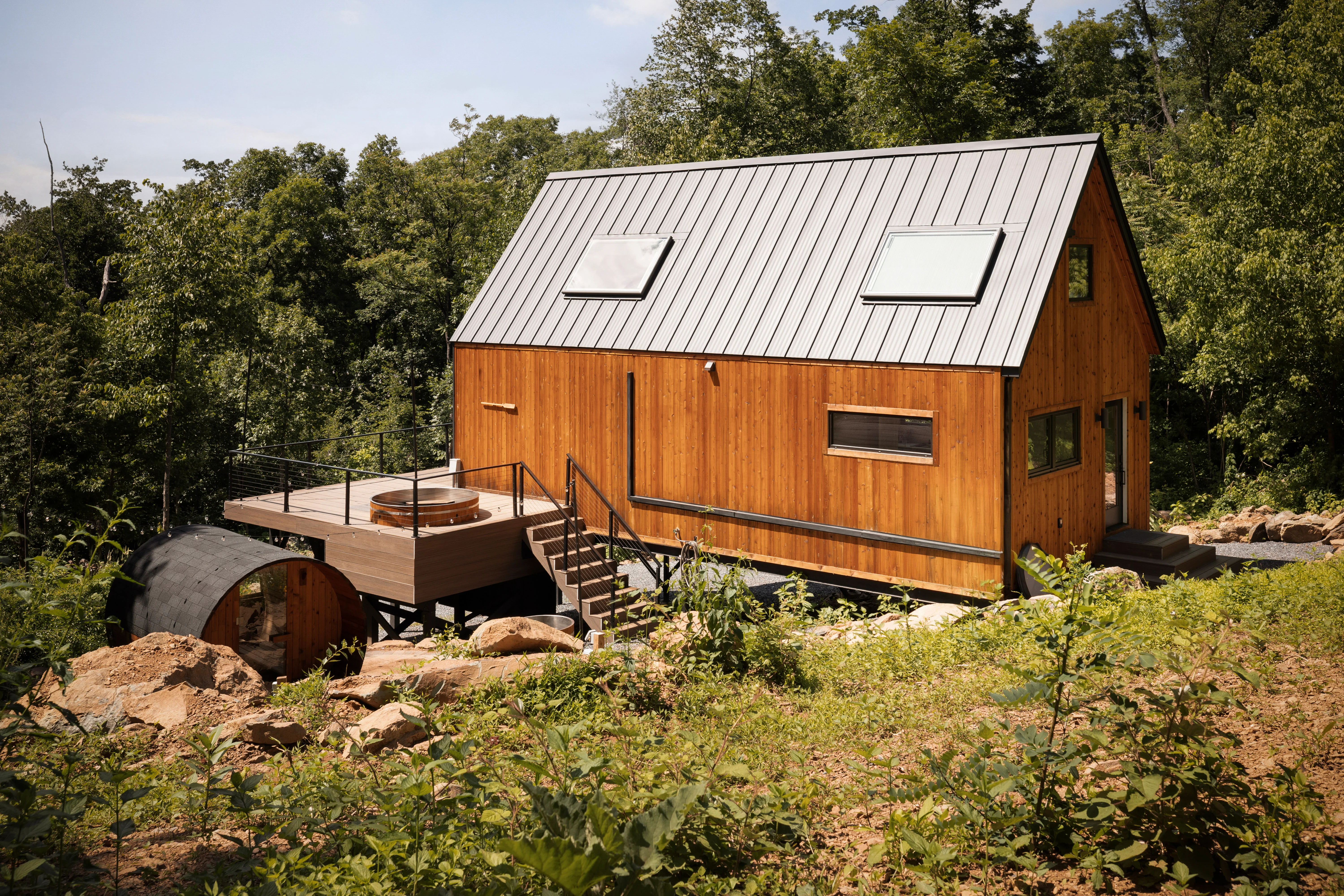
After a day on the ridge trails and an evening at a Northern Valley winery, the contrast therapy island at Royal Oak Retreat handles the recovery part of the equation without requiring any planning. The Scandinavian sauna, cold plunge, and sunken outdoor hot tub are set on a wooded deck in Shenandoah Farms, 40 minutes from the park entrance and five minutes from Fox Meadow Winery. The cabin accommodates up to four guests, is built entirely without plastics or synthetic chemicals, and includes an on-site EV charger and Starlink internet for guests who need to stay connected without sacrificing the forest setting. Check availability and book direct here.