
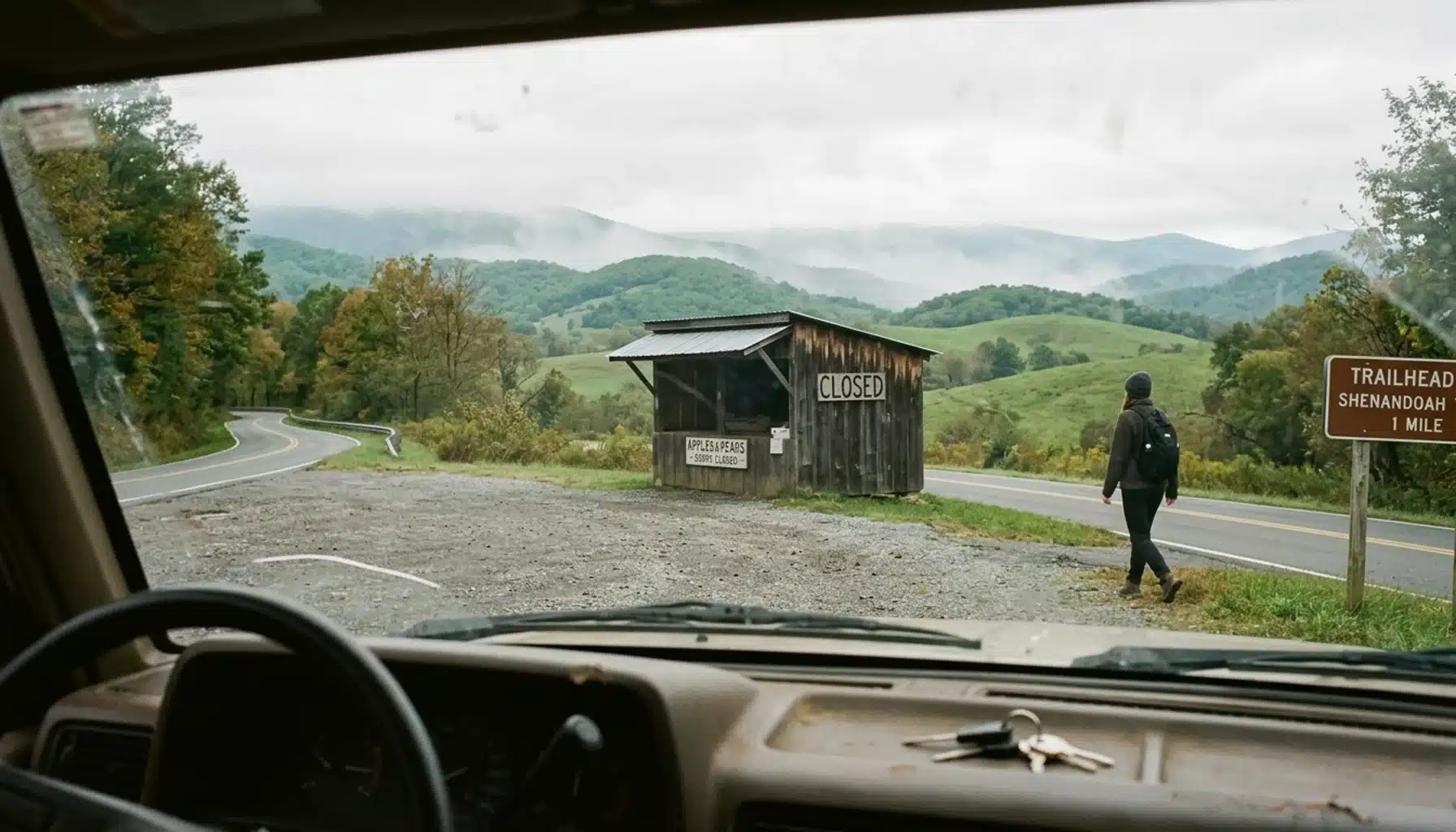
Hidden gems in Virginia are the state parks, mountain valleys, wineries, and roadside wonders that sit just off the main highway corridors, places like Douthat State Park, Burke’s Garden, and Warm Springs Pools that most weekend travelers speed past on their way to Skyline Drive or Shenandoah National Park. In 2026, these overlooked spots offer the same scenery with far fewer cars in the lot.
Key Takeaways
- Shenandoah National Park drew roughly 1.7 million visitors in 2026 who spent $132 million in nearby communities, according to the National Park Service, and October alone accounts for about 24% of the park’s yearly visitor total, so quieter alternatives matter most in fall.
- Burke’s Garden, Douthat State Park, and Warm Springs Pools sit within driving range of Shenandoah Valley but consistently get bypassed for the more famous Skyline Drive corridor.
- Shenandoah Valley short-term rental supply grew 67% between 2022 and roughly 5,791 listings by early 2026, per Virginia Tourism Corporation data, meaning lodging choices have expanded even as the hidden-gem sites themselves stay uncrowded.
- Winter and shoulder-season visits to lesser-known sites come with real occupancy advantages: Virginia Tourism Corporation reported January 2026 Shenandoah Valley short-term rental occupancy at just 45.7%, signaling wide-open availability outside peak leaf season.
- A private wellness cabin like Royal Oak Retreat in Shenandoah Farms puts you within roughly 40 minutes of Shenandoah National Park and a short drive of two working wineries, making it a practical home base for a hidden-gem road trip.
If you’ve driven Interstate 81 or Skyline Drive more than once, you already know the pattern: everyone stops at the same overlooks, the same visitor centers, the same three trailheads. Meanwhile Burke’s Garden sits an hour or so off that corridor in Tazewell County, a bowl-shaped valley locals call “God’s Thumbprint,” and most tourists never hear its name.
This guide covers the Virginia spots that get bypassed for logistical reasons, wrong turn, no billboard, no Instagram geotag, not because they’re less worthwhile. We’ll cover natural wonders, historic towns, coastal detours, and a few architectural oddities, plus the practical stuff competitor lists skip: how to actually route your car to avoid the crowded highway, when to go for the fewest people, and which famous “must-see” nearby attraction you can skip entirely in favor of the quieter option.
As someone who plans Shenandoah Valley trips regularly through Royal Oak Retreat, I’ve watched the region’s tourism numbers climb, Virginia tourism generated $35.1 billion in visitor spending statewide in 2026, according to the Virginia Tourism Corporation and Tourism Economics, up 5.4% from the prior year, while the actual hidden corners stay remarkably empty. That gap is the whole point of this article.
What Are the Best Hidden Gems in Virginia’s Mountain Region?
The best hidden gems in Virginia’s mountain region are Burke’s Garden, Douthat State Park, and Warm Springs Pools, three sites in the Allegheny Highlands that receive a fraction of Shenandoah National Park’s foot traffic despite comparable scenery. Specifically, all three require a deliberate detour off Interstate 81, which is exactly why they stay quiet.
Burke’s Garden in Tazewell County is a rural valley ringed by ridgelines, reachable only by narrow secondary roads that most GPS routes avoid by default. There’s no visitor center, no gift shop, just working farms, a general store, and views that rival anything on Skyline Drive without the pullout traffic jam. Go on a weekday morning if you want the road entirely to yourself.
Douthat State Park, managed by the Virginia Department of Conservation and Recreation, sits near Clifton Forge with a spring-fed lake, swimming beach, and more than 40 miles of hiking trails. Unlike Shenandoah’s crowded Old Rag corridor, Douthat rarely fills its parking areas even on summer Saturdays. Warm Springs Pools nearby feature historic bathhouse structures built over naturally warm mineral springs, a genuinely unusual soak that predates most spa culture in the state.
As of 2026, none of these three sites show up in mainstream “top Virginia attractions” roundups, which is precisely why they still feel undiscovered. Skip the crowded Skyline Drive overlooks on a fall Saturday and reroute toward Douthat instead; you’ll trade a famous name for an actual parking spot.
Which Historic Towns in Virginia Do Weekend Travelers Skip?
Historic towns that weekend travelers skip in Virginia include the small communities along The Crooked Road music heritage trail and settlements built around the Floyd Country Store, both located well south of the Shenandoah Valley’s main tourist path. These towns draw heritage travelers but rarely appear on typical DC-to-Skyline-Drive weekend itineraries.
The Crooked Road stretches across southwestern Virginia, connecting small mountain towns tied to bluegrass and old-time string band traditions. The Floyd Country Store anchors much of that route, known for its long-running Friday night jamboree where local musicians play into the evening. Unlike a festival with ticketed gates, this is a genuinely local gathering, arrive by 6:30pm if you want a seat inside rather than standing in the doorway.
For travelers based closer to the DMV, Front Royal and Linden in the Shenandoah Valley offer a similar overlooked-town feel without the extra two-hour drive south. Front Royal’s downtown retains its working small-town character even as Shenandoah National Park traffic passes nearby on Skyline Drive. Notably, most Skyline Drive day-trippers never leave Route 340 long enough to see it.
A practical tip competitor articles miss: visit these towns midweek if possible. Weekend jamborees and farmers markets draw the heaviest local crowds, which is good for atmosphere but bad if you want quiet browsing time in the shops.
What Coastal and Waterway Hidden Gems Exist in Virginia?
Coastal hidden gems in Virginia include the Eastern Shore’s barrier islands and Chesapeake Bay inlets, areas that draw far less traffic than Virginia Beach or Williamsburg despite offering comparable water access. The Eastern Shore in particular sees a fraction of the summer congestion that clogs Hampton Roads beaches.
Virginia’s Eastern Shore stretches along a narrow peninsula between the Chesapeake Bay and the Atlantic, dotted with small fishing towns and undeveloped barrier islands accessible mainly by boat. Fall is the underrated season here: cooler temperatures, migratory bird activity along the Delmarva flyway, and none of the summer beach traffic. Most competitor guides only mention the Eastern Shore in a summer context, missing this shoulder-season advantage entirely.
Warner Hall, a historic property along the Chesapeake watershed, represents the kind of waterside estate that draws heritage travelers rather than beach crowds. If you’re combining a Shenandoah Valley cabin stay with a longer Virginia road trip, treat the coast as a separate two- or three-day leg rather than a day trip; the drive from the valley to the Eastern Shore realistically takes four or more hours, too far for a quick add-on.
What Unique Architectural and Roadside Attractions Should You See in Virginia?
Unique architectural attractions in Virginia include Natural Tunnel State Park’s massive limestone tunnel and roadside oddities like Foamhenge, a full-scale Stonehenge replica that draws curious travelers off Route 11. Both sites reward a short detour with something genuinely photograph-worthy that most highway drivers never see.
Natural Tunnel State Park in Scott County protects a natural limestone tunnel large enough that a railroad still runs through it, an engineering and geological curiosity William Jennings Bryan once called the “Eighth Wonder of the World.” A chairlift carries visitors down into the gorge during operating season, though hiking the trail down works just as well and costs nothing.
Covered bridges scattered through Virginia’s rural counties offer a quieter version of the same appeal, small, specific, and easy to miss unless you know the exact road. These aren’t marked with highway billboards, so pull up the location ahead of time rather than expecting to stumble onto one.
The honest caveat here: several of these roadside attractions are genuinely small. Budget 30 to 45 minutes at most, not a half-day. Pair one with a nearby state park or winery stop so the drive feels worthwhile.
How Do You Actually Get to These Hidden Gems Without Passing the Crowds?
Getting to Virginia’s hidden gems without hitting crowded corridors means deliberately routing around Skyline Drive’s main entrances and I-81’s busiest exits, rather than treating those roads as unavoidable. Specifically, most travelers default to the fastest GPS route, which almost always funnels through the same congested gateway towns.
For Shenandoah Valley bound trips, the standard route out of Washington D.C. runs through Front Royal via Interstate 66, which backs up heavily on October Saturday mornings when leaf-peeping traffic peaks. As an alternative, leaving before 8am or after 11am on weekend mornings avoids most of that backup. Additionally, entering the region via Linden or Markham rather than the main Front Royal entrance to Skyline Drive shaves real time off a fall weekend trip.
For Burke’s Garden specifically, avoid routing through the small town center at Tazewell during weekday school pickup hours, roughly 2:30 to 3:30pm, when local traffic briefly clogs the two-lane approach roads. Douthat State Park’s entrance off Route 629 near Clifton Forge stays clear nearly year-round since it never appears on major tourist maps.
As a rule, whenever a route promises to save five minutes by cutting through a town center, take the longer bypass instead, especially during October and early November when Shenandoah National Park visitation spikes.
When Is the Best Time to Visit Virginia’s Lesser-Known Sites?
The best time to visit Virginia’s lesser-known sites is during shoulder season, specifically late September before peak foliage, or January through March, when Shenandoah Valley short-term rental occupancy dropped to 45.7% in January 2026 according to Virginia Tourism Corporation data. Off-peak timing means empty trailheads and open cabin availability.
Fall remains the trickiest season to navigate. October alone accounts for roughly 24% of Shenandoah National Park’s total annual visitors, a National Park Service-linked figure that explains why every overlook on Skyline Drive fills by 10am on peak weekends. If foliage color is the priority, visiting hidden alternatives like Douthat State Park or Burke’s Garden during that same window delivers comparable color with none of the overlook traffic.
Winter changes the calculus entirely. Warm Springs Pools become genuinely appealing in cold weather, a heated mineral soak feels different in January than in July. A 4×4 vehicle becomes necessary for some of the steeper backcountry approach roads in this period, including the driveway at Royal Oak Retreat, where a 4×4 is required in winter months due to snow and grade.
Spring brings wildflower season to the Allegheny Highlands but also allergy concerns; late April and early May see high tree pollen counts across the Shenandoah Valley, worth noting if you’re prone to seasonal allergies and planning extended outdoor time.
Are Any of These Sites Family-Friendly, Accessible, or Pet-Friendly?
Accessibility and pet-friendliness vary significantly across Virginia’s hidden gems, with Douthat State Park offering the most accommodating trail and beach infrastructure, while sites like Burke’s Garden require more self-sufficient travel due to limited paved access and few public facilities.
Douthat State Park maintains a swimming beach and several graded trails suitable for a range of mobility levels, along with a dog-friendly policy on most trail sections outside the designated swim area. Natural Tunnel State Park’s chairlift offers an accessible route into the gorge for visitors who can’t manage the steep hiking trail down.
Burke’s Garden and the Crooked Road towns, by contrast, involve narrow shoulders, gravel pull-offs, and minimal cell service in spots, better suited to travelers comfortable navigating rural roads without constant connectivity.
For travelers bringing a dog along, Royal Oak Retreat welcomes one dog under 50 pounds with a pet fee, and the surrounding Shenandoah Farms forest offers genuine off-leash-adjacent trail access rather than a token backyard. That’s a meaningful distinction if your pet is part of the trip planning, not an afterthought.
How Do These Hidden Gems Compare to Virginia’s Famous Attractions?
Virginia’s hidden gems generally compare favorably to famous attractions on scenery and quality, but trade away amenities like visitor centers, guided tours, and reliable cell service. Douthat State Park delivers similar mountain-lake scenery to parts of Shenandoah National Park without the Skyline Drive traffic, while Luray Caverns remains genuinely worth the crowds it draws for its scale and formations.
Here’s the honest comparison: Shenandoah National Park’s Skyline Drive delivers unmatched panoramic overlooks and maintained infrastructure, but it also means paying an entrance fee and fighting for parking during peak fall weekends. Burke’s Garden delivers a similarly dramatic valley view for free, with the tradeoff being zero amenities, no restrooms, no food, no gift shop.
Luray Caverns, about 20 minutes from Royal Oak Retreat, is genuinely famous and genuinely crowded, but its scale as a cave system justifies the ticket price and the tour groups. It earns its reputation rather than just riding on marketing.
| Site | Best For | Crowd Level | Cost |
|---|---|---|---|
| Skyline Drive / Shenandoah NP | Panoramic overlooks, maintained trails | Heavy, especially October | Park entrance fee |
| Douthat State Park | Swimming, family hiking | Light to moderate | Day-use parking fee |
| Burke’s Garden | Rural drives, solitude | Very light | Free |
| Luray Caverns | Guided cave tours | Heavy year-round | Ticketed |
What Should You Pack for a Hidden Gems Road Trip Through Virginia?
Packing for a Virginia hidden-gems road trip means planning for limited cell service, variable road conditions, and few amenities along the way, since many of these sites lack the gas stations and gift shops that cluster around famous attractions like Skyline Drive.
Download offline maps before leaving cell coverage, especially around Burke’s Garden and the more remote stretches of the Crooked Road, where signal drops out entirely in the valley bowls. Pack a paper map or printed directions as backup; GPS occasionally suggests routes through private farm roads in this part of the state.
Bring cash for a few of the smaller general stores and farmers markets, including The Giving Tree Farmers Market in Linden, about 10 minutes from Royal Oak Retreat, where card readers aren’t always reliable. For winter trips, pack for genuinely cold mountain temperatures that run several degrees below what the forecast shows for the valley floor.
If your itinerary includes a soak at Warm Springs Pools or a cabin stay with a private hot tub, bring a swimsuit and a change of clothes you don’t mind getting damp on the drive home. Small detail, frequently forgotten.
Where Should You Stay While Exploring Virginia’s Hidden Gems?
The Shenandoah Valley works as the most practical home base for exploring Virginia’s mountain hidden gems, since it sits within reasonable driving range of Douthat State Park, the Allegheny Highlands, and Shenandoah National Park’s Skyline Drive without requiring multiple hotel changes across a weekend.
Front Royal and Linden anchor the valley’s northern end, roughly an hour from Washington D.C. and close to Fox Meadow Winery and Crimson Lane Vineyards, both within a short drive of the region’s lodging. Royal Oak Retreat, a wellness cabin set in Shenandoah Farms, puts you roughly 40 minutes from Shenandoah National Park and about five minutes from Fox Meadow Winery, useful if you want a winery stop bookending a day of hidden-gem driving.
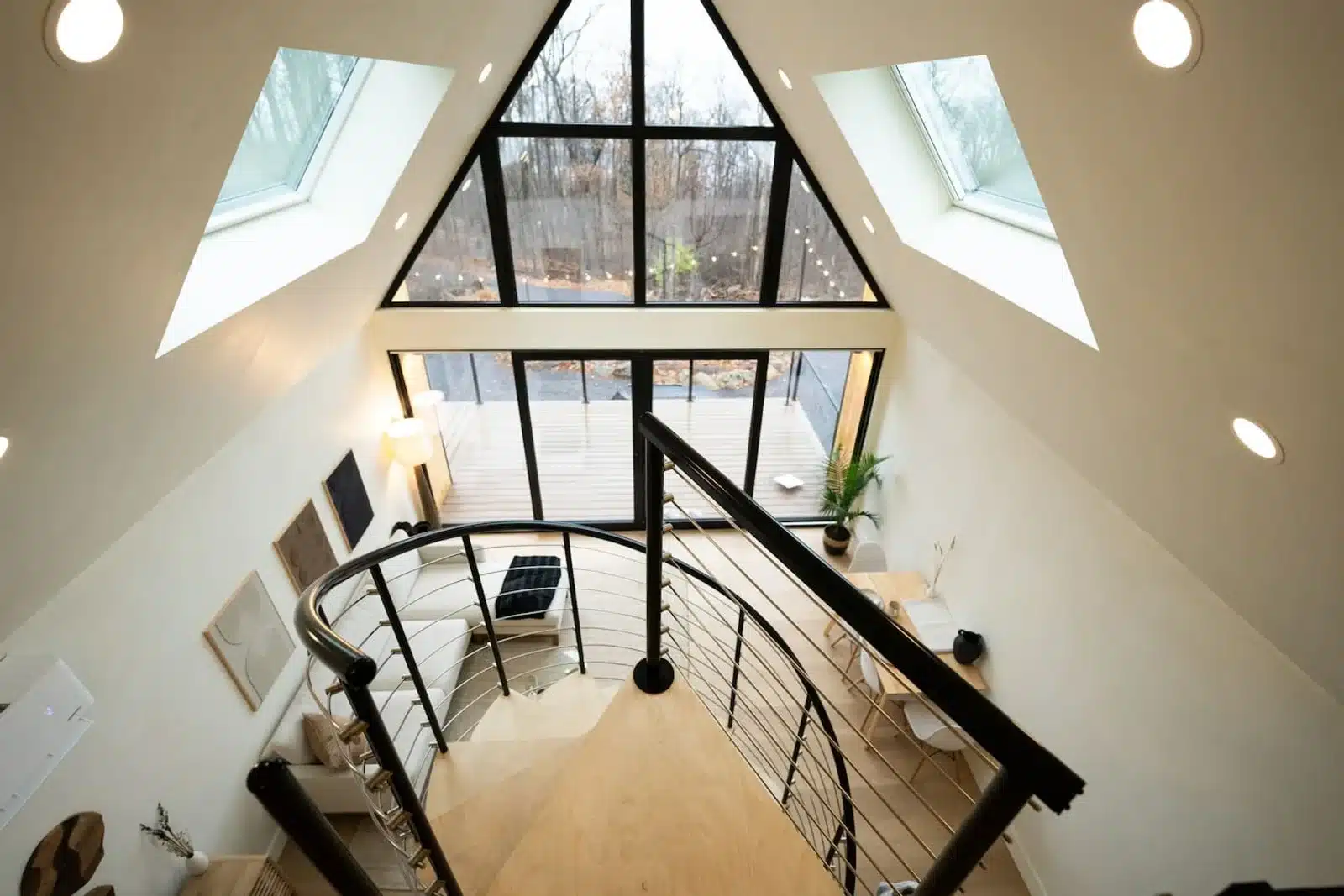
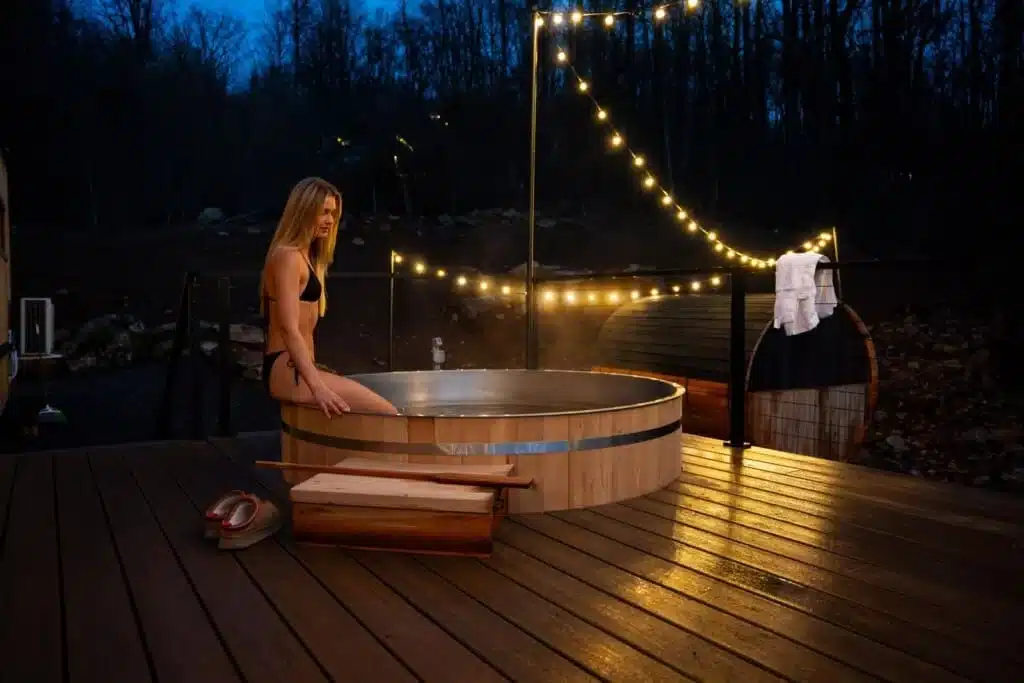
The cabin itself is built around a dedicated contrast-therapy island: a Scandinavian-style sauna and cold plunge paired with a sunken outdoor hot tub positioned for stargazing, all in a fully non-toxic build with no plastics or chemicals used in construction. After a full day driving mountain backroads toward Burke’s Garden or hiking at Douthat, that’s a genuinely different way to close out the evening than a standard hotel room offers.
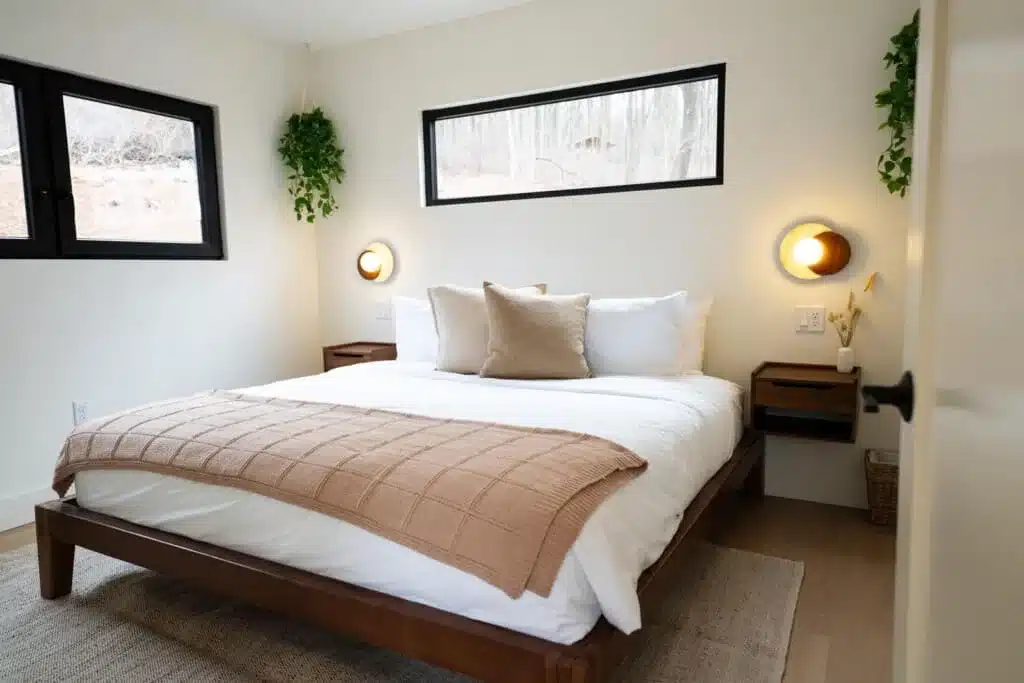
Sleeping up to four guests across a main bedroom and a loft reached by spiral staircase, Royal Oak Retreat runs on Starlink internet and includes an on-site EV charger, practical if you’re driving an electric vehicle through a region where charging infrastructure remains sparse. One dog under 50 pounds is welcome with a pet fee, worth knowing if your road trip companion has four legs. For a broader look at what’s available in the region, see this guide to cabin rentals in Shenandoah Valley Virginia.
Shenandoah Valley short-term rental supply has grown substantially, from roughly 3,491 listings in 2022 to about 5,791 by early 2026, according to Virginia Tourism Corporation figures, giving travelers considerably more lodging choice than just a few years ago. For a closer look at what makes this particular property distinct from the growing rental supply, this cabin for rent Shenandoah guide covers the specifics worth knowing before you book.
How Can You Build a 48-Hour Hidden Gems Itinerary?
A 48-hour hidden gems itinerary in Virginia works best when anchored around one lodging base with day trips branching in different directions, rather than driving long distances between overnight stops. Specifically, basing out of the Shenandoah Valley keeps drive times to Douthat State Park, Burke’s Garden, and Skyline Drive alternatives all under two hours.
Day one: arrive by early afternoon, settle in, and use the late afternoon for a short local stop, Fox Meadow Winery or Crimson Lane Vineyards both work as an easy first evening outing. Save the ambitious driving for day two.
Day two: leave early, by 8am if possible, and head toward Douthat State Park or the Allegheny Highlands for a half-day hike, then loop back through a covered bridge or Natural Tunnel State Park if your route allows it. Return to the cabin by late afternoon for a wind-down session, this is where a contrast-therapy setup earns its keep after a day of driving and hiking.
For hiking specifics closer to the cabin itself, this Shenandoah hiking trails guide breaks down trail difficulty and distance in more detail, while the nearby experiences page lists additional options within a short drive.
Frequently Asked Questions
What are the top hidden gems in Virginia that most people miss?
The top hidden gems in Virginia that most travelers miss include Burke’s Garden, Douthat State Park, Warm Springs Pools, and Natural Tunnel State Park. All four sit off the main Skyline Drive and Interstate 81 corridors, which is exactly why they receive far less traffic than Shenandoah National Park despite offering comparable scenery.
Is Burke’s Garden worth the detour from Interstate 81?
Yes, Burke’s Garden is worth the detour if you have half a day to spare, since the valley offers dramatic ridgeline views and rural farm scenery without any entrance fee. Just know there are no restrooms, gas stations, or visitor facilities inside the valley itself, so plan accordingly before you leave the highway.
What’s the best time of year to visit Virginia’s lesser-known state parks?
Late September through early October offers strong foliage color at parks like Douthat before the heaviest crowds arrive, since Shenandoah National Park absorbs roughly 24% of its yearly visitors in October alone. Winter, particularly January and February, also works well for solitude, though a 4×4 vehicle is recommended for some mountain roads during snow.
Are Virginia’s hidden gems accessible without a car?
No, nearly all of the sites covered here, including Burke’s Garden, Douthat State Park, and the Crooked Road towns, require a car, since public transit does not serve these rural areas. A reliable vehicle and offline maps are essential, especially in valleys where cell service drops out.
Can you visit these hidden gems with a dog?
Many of these sites are dog-friendly, including most trail sections at Douthat State Park, though leash rules apply near the swimming beach. If you’re staying overnight, Royal Oak Retreat in Shenandoah Farms welcomes one dog under 50 pounds with a pet fee, and the surrounding forest offers real outdoor access rather than a token yard.
How does Douthat State Park compare to Shenandoah National Park?
Douthat State Park offers a smaller-scale version of Shenandoah National Park’s mountain and lake scenery, with a spring-fed swimming lake and over 40 miles of trails, but without Skyline Drive’s overlook traffic or entrance fee structure. Shenandoah National Park still wins on scale and maintained infrastructure, but Douthat wins on solitude.
What should I pack for a road trip to Virginia’s remote mountain sites?
Pack offline maps or a printed route, since cell service drops out in valleys like Burke’s Garden, along with cash for small local markets that don’t always take cards. A swimsuit is worth packing too if your itinerary includes Warm Springs Pools or a cabin with a private hot tub.
Conclusion: Making the Most of Virginia’s Overlooked Places
The hidden gems Virginia travelers keep driving past, Burke’s Garden, Douthat State Park, Warm Springs Pools, Natural Tunnel State Park, all deliver scenery comparable to the state’s famous attractions with a fraction of the crowds. As Shenandoah National Park visitation continues climbing toward its 2026 total of roughly 1.7 million visitors, the case for detouring off the main corridor only gets stronger heading into 2026.
Base your trip out of the Shenandoah Valley, route around the busiest gateway towns during October weekends, and treat shoulder season as an advantage rather than a compromise. The reward is empty trailheads, open parking lots, and a version of Virginia that still feels genuinely undiscovered.
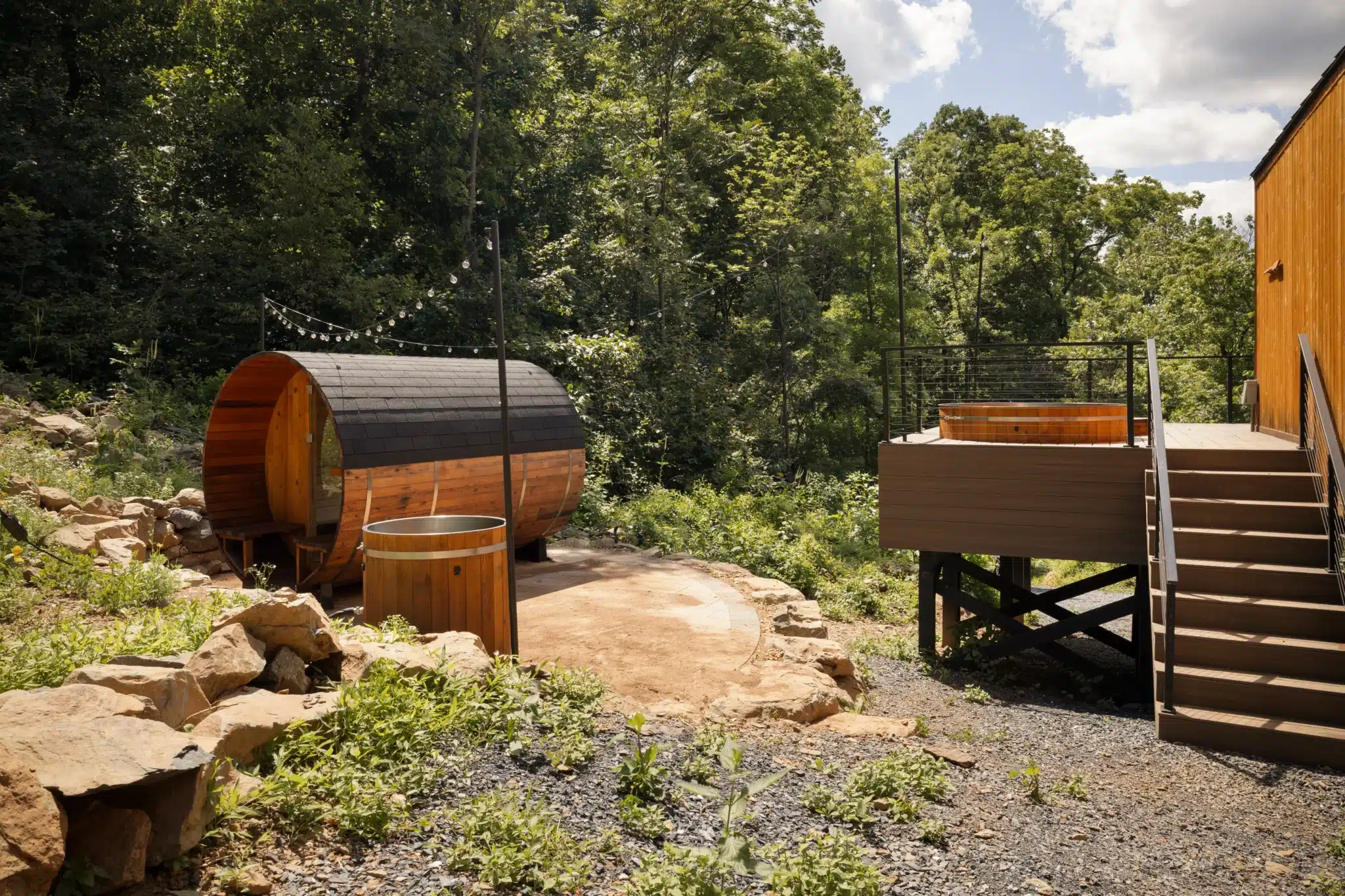
If your route includes a day at Douthat State Park or a long drive toward Burke’s Garden, Royal Oak Retreat puts you roughly 40 minutes from Shenandoah National Park for the evening after. The contrast-therapy island, sauna, cold plunge, and stargazing hot tub together, makes an honest case for ending a long driving day this way. Check availability here.
Content powered by inkSTR.co