
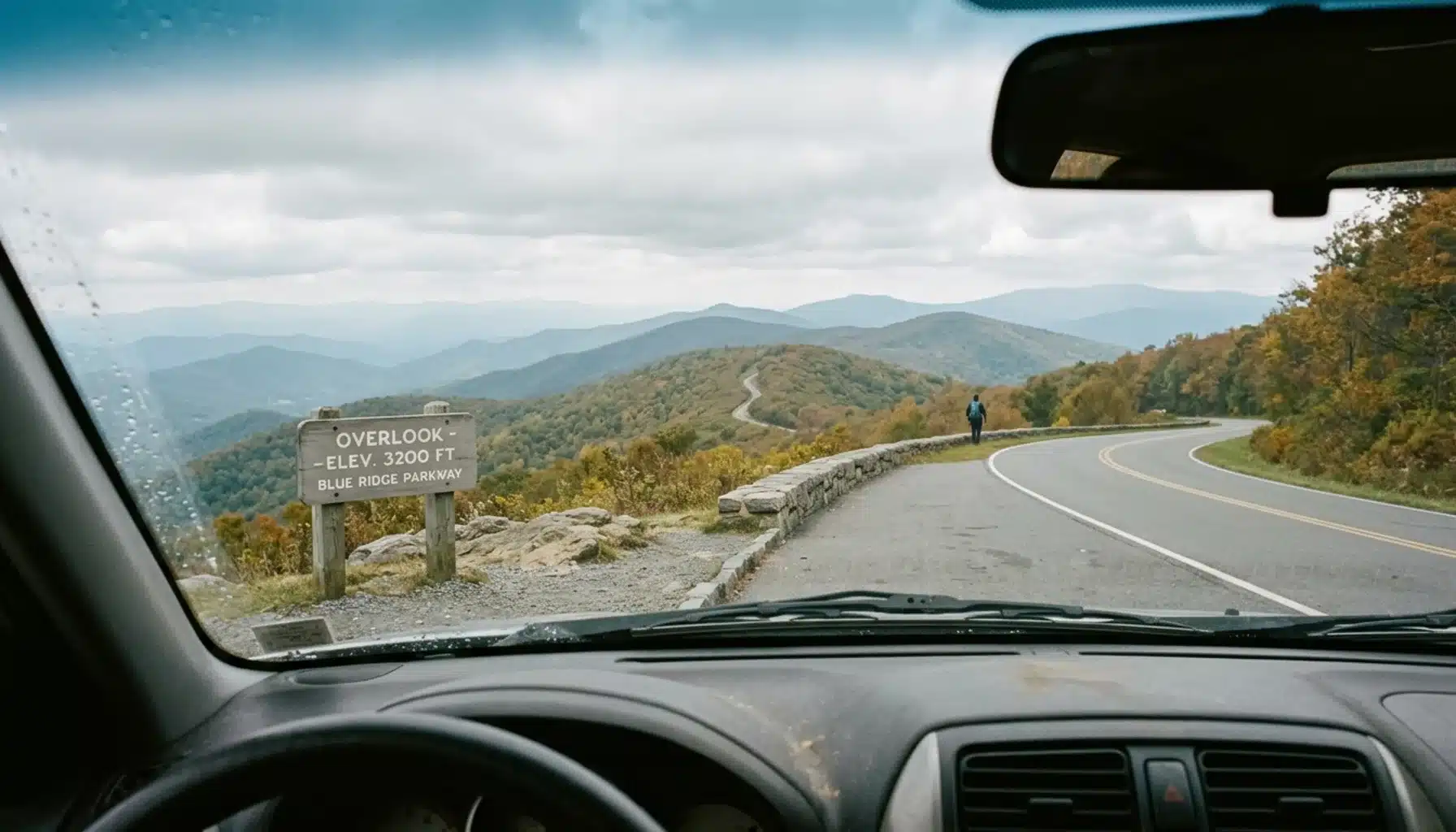
Shenandoah Valley attractions range from the 105-mile Shenandoah National Park drive along Skyline Drive to underground cavern systems, historic towns, and working wineries scattered across ten Virginia and West Virginia counties. The best approach groups them by corridor so you’re not zigzagging across the valley on a short trip.
Key Takeaways
- Skyline Drive runs 105 miles through Shenandoah National Park along the Blue Ridge crest, with a 7-day vehicle pass available through Recreation.gov.
- Shenandoah National Park drew 1.7 million visitors in 2026, who spent $132 million in nearby communities, according to the National Park Service.
- Luray Caverns, the largest cavern system in eastern America, includes access to the Car & Carriage Caravan Museum and Shenandoah Heritage Village with paid admission.
- Fall foliage drives roughly 70% of annual valley visitation between June and October, with October typically the busiest month.
- Royal Oak Retreat in Shenandoah Farms sits about 40 minutes from the national park’s northern entrance and roughly an hour from Washington D.C., making it a practical home base for exploring multiple attraction corridors.
- Virginia recorded 46.6 million overnight visitors and $36.2 billion in visitor spending in 2026, according to the Virginia Tourism Corporation, with the Shenandoah Valley named among the state’s strongest regional lodging markets in 2026.
If you’re mapping out a trip to the valley in 2026, the sheer number of things to see can turn planning into its own chore. Caverns, waterfalls, a 105-mile scenic drive, Civil War history, and a growing wine and cider trail all sit within roughly an hour of each other, but they don’t sit within an hour of everything else. Trying to hit Luray Caverns, a Skyline Drive overlook, and a winery tasting room in one afternoon usually means rushing all three.
This guide organizes Shenandoah Valley attractions by what they actually are and where they cluster geographically, so you can build a realistic itinerary instead of a wish list. We’ll cover the national park corridor, the cavern systems, historic sites, family-oriented stops, and the beverage trail that’s expanded significantly in recent years. Along the way, we’ll flag what’s genuinely worth the drive, what’s overrated at peak season, and where the crowds thin out.
At Royal Oak Retreat, a wellness cabin tucked into the forest near Front Royal, guests routinely ask which attractions are worth their limited time versus which ones are better skipped during leaf season. The answers below come from that same practical filter: drive time, crowd levels, and whether the stop actually delivers on its reputation.
What Is Shenandoah Valley Famous For?
Shenandoah Valley is known primarily for Skyline Drive and Shenandoah National Park, its extensive cave and cavern systems, Civil War history, and a fast-growing wine, cider, and craft beer trail that traces the boundary of the park. The valley stretches across ten counties, according to the Museum of the Shenandoah Valley, spanning from the Potomac River near Winchester down to the Roanoke Valley.
The region’s fame rests on a genuine mix of geology and history. Underground, formations at Luray Caverns and Skyline Caverns took tens of millions of years to form; Skyline Caverns alone dates back more than 50 million years, per regional tourism guides. Above ground, the valley served as a critical Civil War corridor, which explains the concentration of historic sites, plantations, and preserved battlefields around towns like Winchester and Staunton.
More recently, the beverage scene has become a defining draw. Visit Shenandoah, the region’s tourism authority, promotes a whisky-wine tasting trail with eight wineries, four distilleries, and two breweries tracing the park boundary, plus a separate 20-brewery Shenandoah Beerwerks Trail. Combined with the national park’s 1.7 million annual visitors in 2026, the valley functions as both a nature destination and a food-and-drink weekend trip.
What Are the Top Things to Do in Shenandoah National Park?
Shenandoah National Park’s top activities center on Skyline Drive, waterfall hikes, and named scenic overlooks, all accessible from four entrance stations along the park’s 105-mile length. First-time visitors should budget a full day minimum, since the drive alone, done at a relaxed pace with stops, takes several hours.
Cruise Skyline Drive
Skyline Drive is the park’s signature route, running the entire 105-mile length along the crest of the Blue Ridge Mountains, according to regional travel guides. Dozens of pull-offs and overlooks line the road, and Franklin Cliffs Overlook near mile marker 49 ranks among the most photographed sunset spots in the park. Driving the full length without stops takes roughly three to four hours; add another two to three hours if you want to actually get out at overlooks, which you should.
A 7-day vehicle pass, purchased in advance through Recreation.gov, lets you skip the entrance-gate line during busy weekends. If you’re planning multiple national park visits in a year, the America the Beautiful annual pass from the USGS store often pays for itself.
Hike to a Waterfall
White Oak Canyon is one of the park’s most popular hikes, featuring six waterfalls along its route, with the largest dropping 86 feet, according to Visit Shenandoah. Dark Hollow Falls, reached from Big Meadows near mile 50.7, is shorter and more accessible, but expect a packed parking lot by mid-morning on weekends in October.
For a casual couple who wants a summit view without a strenuous commitment, Blackrock Summit at mile 84.4 is a one-mile round trip with only about 175 feet of elevation gain, per the official NPS trail description. It’s genuinely doable in tennis shoes. Contrast that with Upper Hawksbill, the park’s highest peak, which involves a steeper, longer climb better suited to hikers who exercise regularly. For more trail-by-trail difficulty breakdowns, our complete Shenandoah hiking trail guide separates the casual routes from the genuinely strenuous ones.
Take in the Overlooks
Beyond Franklin Cliffs, the Bearfence Rock Scramble near mile 56.4 delivers a 360-degree summit view in about 25 minutes of hands-on rock climbing, which makes it a favorite for visitors short on time. Stop at either the Harry F. Byrd Visitor Center at Big Meadows or the Dickey Ridge Visitor Center near the north entrance for trail maps and ranger advice on current conditions.
What Are the Most Scenic Spots in Shenandoah National Park?
The most scenic spots in Shenandoah National Park are its high-elevation overlooks along Skyline Drive, with Franklin Cliffs, Hogback Overlook, and the summit views from Blackrock and Bearfence ranking among the most consistently recommended by park rangers and repeat visitors. Timing matters as much as location here.
Franklin Cliffs faces west, which makes it the go-to sunset stop, but that also means it fills up fast in the final hour before dusk during peak fall weekends. Arrive 30 to 45 minutes early to actually get a parking spot. For a quieter version of the same valley view, several overlooks near mile 60 to 70 see noticeably less foot traffic even in October.
The seasonal top-10 list curated by park rangers updates throughout the year and is worth checking before your trip, since specific overlooks can close temporarily for maintenance or wildlife activity. If your itinerary is built around catching golden hour at a specific overlook, staying close to the park’s northern end matters. Royal Oak Retreat’s location in Shenandoah Farms puts guests roughly 40 minutes from the park, which is close enough for an early-morning or late-evening overlook run without an overnight drive home.
What Unique Things Can You Do in the Shenandoah Valley?
Beyond the national park, the Shenandoah Valley’s more distinctive attractions include a drive-through safari, a Civil War living-history museum, and a working potato chip factory that offers samples. These stops set the valley apart from a typical mountain-drive destination and are worth building a half-day around.
Virginia Safari Park in Natural Bridge is Virginia’s only drive-through safari, where visitors can feed rhinos, sloths, and other free-roaming animals from the car window. Budget two to three hours, and know that feed cups add to the base admission cost. In White Post, Dinosaur Land displays more than 50 life-size dinosaur models, a roadside attraction that’s been drawing curious travelers for decades on their way to or from the caverns.
For something genuinely local, the Route 11 Potato Chip Factory in Mount Jackson lets visitors watch chips being made and sample flavors, including the notoriously spicy Mama Zuma’s Revenge. It’s a quick 20-minute stop but a memorable one, and unlike most of the valley’s attractions, it’s free to walk through. The Frontier Culture Museum in Staunton recreates 18th- and 19th-century farm life with actual relocated historic structures, offering a different angle on the region’s settlement history than the Civil War sites concentrated further north.
Which Shenandoah Valley Caverns Are Best to Visit?
Luray Caverns is the region’s flagship cavern, recognized as the largest cave system in eastern America, featuring Dream Lake, the Frozen Fountain formation, and the Great Stalacpipe Organ, according to Visit Virginia. Four other cavern systems, Skyline, Shenandoah, Crystal, Grand, and Endless, round out the region’s underground attractions, each with a distinct feature worth knowing before you pick one.
If you only have time for one cavern, Luray Caverns delivers the most complete package: admission also includes the Car & Carriage Caravan Museum, Shenandoah Heritage Village, and Toy Town Junction, all on the same ticket. Skyline Caverns, right off Skyline Drive near Front Royal, is more than 50 million years old and includes daily guided tours through underground streams and rare anthodite formations. Shenandoah Caverns stands out as the only cavern in the state with an elevator, according to Visit Virginia, which matters if you’re traveling with anyone who has mobility concerns; Long View Hall and Rainbow Lake are its signature rooms.
| Cavern | Known For | Accessibility Note |
|---|---|---|
| Luray Caverns | Largest eastern US cavern; Great Stalacpipe Organ | Standard walking tour; strollers allowed on paved paths |
| Skyline Caverns | 50+ million years old; anthodite crystal formations | Guided tours offered daily |
| Shenandoah Caverns | Long View Hall, Rainbow Lake | Only Virginia cavern with an elevator |
| Grand Caverns | Cathedral-sized underground rooms | Standard walking tour |
| Crystal & Endless Caverns | Underground streams, crystal formations | Standard walking tour |
Book cavern tours as a morning activity if you’re visiting during fall foliage weekends. The temperature underground stays consistent year-round, so caverns make a good rainy-day backup when Skyline Drive overlooks are socked in with fog.
What Historic Sites Can You Visit in Shenandoah Valley?
Shenandoah Valley’s historic sites concentrate around Winchester and Staunton, with Belle Grove Plantation, the Cedar Creek and Belle Grove National Historical Park, and Historic Old Town Winchester among the most visited. These sites document the valley’s role as a contested Civil War corridor and its earlier settlement history.
The Museum of the Shenandoah Valley in Winchester serves as a good starting point, with the Patsy Cline Historic House, Winchester-Frederick County Historical Society Museums, and the Shenandoah Arts Council all within five minutes of its front door. From there, Belle Grove Plantation and the adjoining Cedar Creek Battlefield sit within roughly an hour’s drive, alongside Luray Caverns and Skyline Drive, making the museum a genuinely efficient home base for a history-focused day.
Downtown Staunton offers a walkable historic district with preserved 19th-century architecture, worth an hour or two of wandering before or after a stop at the Frontier Culture Museum on the edge of town. Neither site requires advance tickets for casual visits, though the museum charges standard admission.
What Are the Best Shenandoah Valley Attractions for Families?
The most family-oriented Shenandoah Valley attractions include Virginia Safari Park, Dinosaur Land, Massanutten Resort’s waterpark, and Luray Caverns’ above-ground museums, all designed around hands-on engagement rather than passive sightseeing. These sit largely outside the park itself, making them useful rainy-day or non-hiking alternatives.
Massanutten Resort combines an indoor and outdoor waterpark with a ski area, giving it year-round appeal regardless of season. Virginia Safari Park’s drive-through format works well for younger kids who tire out on foot, while Luray Caverns’ Toy Town Junction and Car & Carriage Caravan Museum extend a cave visit into a half-day without an extra admission fee. Route 11 Potato Chip Factory remains one of the valley’s few genuinely free stops that still keeps younger visitors interested.
Note: Royal Oak Retreat itself is designed as an adults-first wellness retreat and is best suited to couples, solo travelers, or small adult groups rather than family trips; it’s mentioned here as a base for adult travelers exploring these attractions, not as a family lodging option.
How Much Do Shenandoah Valley Attractions and Tours Cost?
Shenandoah Valley attraction costs vary widely by type: national park entry runs through a 7-day vehicle pass purchased via Recreation.gov, cavern tours charge per-person admission in the moderate range, and wineries typically charge a tasting fee that’s often waived with a bottle purchase. Free stops exist too, including the Route 11 Potato Chip Factory and most overlooks.
For multi-park travelers, the annual America the Beautiful pass from the USGS store can be worth the upfront cost if you’re visiting more than two or three national parks in a calendar year. Cavern admissions at Luray, Skyline, and Shenandoah Caverns each cover extended above-ground attractions bundled into a single ticket, so the per-stop value is generally better than it first appears. Wineries and distilleries along the whisky-wine trail set their own tasting fees, and several near Front Royal, including Fox Meadow Winery and Crimson Lane Vineyards, sit close enough together to visit both in one afternoon.
How Long Does It Take to Drive Skyline Drive and Through Shenandoah National Park?
Driving the full 105-mile length of Skyline Drive takes roughly three to four hours without stops, and a realistic full-day visit with overlooks, a short hike, and lunch typically runs six to eight hours. The 35 mile-per-hour speed limit, combined with frequent wildlife crossings, especially at dawn and dusk, keeps the pace slower than the mileage suggests.
First-time visitors consistently underestimate this. If you’re entering from the northern Front Royal entrance and only have a half-day, plan to drive as far as Big Meadows near mile 50 and turn back, rather than attempting the full route to the southern Rockfish Gap entrance. Weekend traffic during October foliage season adds real time at popular overlooks, where finding parking can take 10 to 15 minutes on its own. Check current conditions and any temporary closures on the official NPS Shenandoah activities page before you go, since sections occasionally close for weather or maintenance.
Where Do the Wineries, Breweries, and Cideries Fit In?
The Shenandoah Valley’s beverage trail is a whisky-wine tasting trail with eight wineries, four distilleries, and two breweries tracing the boundary of Shenandoah National Park, according to Visit Shenandoah, alongside a separate 20-stop Shenandoah Beerwerks Trail. This gives visitors a genuine alternative to hiking-only itineraries, particularly on hot summer afternoons.
Near Front Royal and Linden, Fox Meadow Winery and Crimson Lane Vineyards in Hume both offer tasting-room visits that pair naturally with a Skyline Drive day trip; both sit within a short drive of Royal Oak Retreat, roughly five and eight minutes respectively, making a late-afternoon tasting an easy add-on after a morning hike. Further south, Veritas Vineyards and Winery and Blue Mountain Brewery are among the region’s better-known stops for visitors extending their trip into Nelson County. Jordan Hollow Stables and Sagebird Ciderworks round out the region’s more locally distinctive options, worth seeking out if you’ve already covered the bigger-name wineries on a previous trip.

What Do Top Competitor Guides Miss About Planning?
Most Shenandoah Valley attraction guides list sites without organizing them by drive time or realistic day-trip groupings, leaving readers to piece together logistics themselves. That’s the single biggest gap worth fixing before you build an itinerary.
Group your stops by corridor instead of by category. A northern-corridor day might combine the Front Royal Skyline Drive entrance, Skyline Caverns, and one of the nearby wineries, all within roughly 20 to 30 minutes of each other. A central-corridor day around Luray naturally pairs Luray Caverns with the town’s own historic district. Trying to combine a northern cavern with a southern winery in one day burns hours you could spend actually enjoying either stop.
Second, account for seasonal closures and crowd patterns. Historical visitation data shows roughly 70% of the valley’s annual visitors arrive between June and October, with October typically the single busiest month for foliage. If you want Skyline Drive without the October gridlock, target a weekday in late September or a weekend in early November after peak leaf-peeping crowds thin out but before winter driving conditions set in.
Where Should You Stay to Access These Attractions Efficiently?
The most efficient base for exploring Shenandoah Valley attractions is lodging near the park’s northern Front Royal entrance, which puts Skyline Drive, Skyline Caverns, and the Front Royal wineries within a 20-minute radius while still keeping Luray Caverns under 40 minutes away. This northern positioning beats staying near the park’s southern end if your itinerary leans toward the caverns and wine trail covered above.
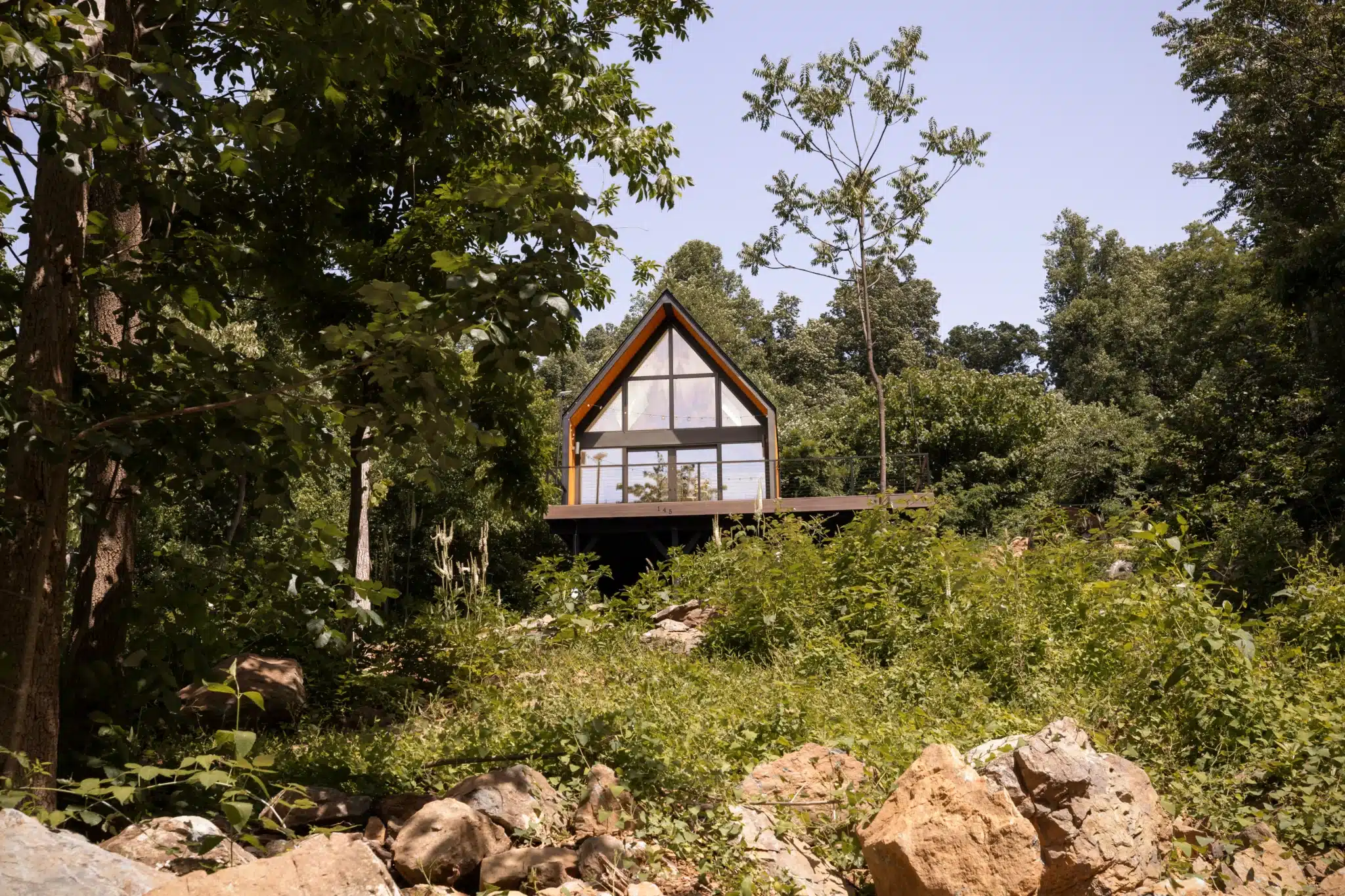
Royal Oak Retreat, a wellness cabin in Shenandoah Farms near Front Royal, sits roughly 40 minutes from Shenandoah National Park and about an hour from Washington D.C., which makes it workable as a weekend base without an early-morning drive from the city. The 1,000-square-foot cabin sleeps up to four across a main bedroom with a king bed and a loft with a queen bed, reached by a spiral staircase. After a day on Skyline Drive or touring Luray Caverns, the property’s sunken outdoor hot tub and Scandinavian-style sauna and cold plunge give guests somewhere to actually recover rather than just sleep and repeat the itinerary.
For travelers weighing lodging options more broadly, our guide to cabin rentals in the Shenandoah Valley compares location trade-offs across the region, and the best place to stay in Shenandoah Valley breakdown goes deeper into which towns suit which itineraries. If you’d rather stay inside the park itself, Skyland Lodge and Lewis Mountain Cabins, both operated through the park’s official lodging program, offer a more rustic in-park alternative, though without the private wellness amenities of an off-park cabin.
Virginia’s overall tourism numbers back up the region’s momentum: the state logged 46.6 million overnight visitors and $36.2 billion in visitor spending in 2026, according to the Virginia Tourism Corporation, and through mid-2026 hotel demand across Virginia grew faster than the national average, with the Shenandoah Valley specifically named among the state’s strongest regional lodging markets. That growth shows up on the ground as busier weekends at popular overlooks and caverns, which is one more reason to book lodging and time-sensitive tours ahead of a fall trip.

How Should You Plan a Multi-Day Shenandoah Valley Trip?
An efficient multi-day plan groups Shenandoah Valley attractions by geographic corridor rather than by category, spending one day on Skyline Drive and northern-park hikes, a second day on caverns and historic sites, and a third on wineries or family attractions if time allows. This avoids the backtracking that eats hours out of shorter trips.
- Check current park conditions and reserve any timed cavern tours through the official NPS activities page before you arrive.
- Buy your park pass in advance through Recreation.gov to skip the entrance line.
- Dedicate day one to Skyline Drive, choosing two or three overlooks and one waterfall or summit hike matched to your fitness level.
- Dedicate day two to Luray Caverns or Skyline Caverns, pairing the visit with a nearby historic site or winery.
- Reserve day three, if available, for family-style stops like Virginia Safari Park or Dinosaur Land, or a slower wine-trail afternoon.
- Build in one unscheduled block each day. Traffic at overlooks and cavern ticket lines during peak fall weekends routinely runs longer than expected.
Grab a physical trail map from the Shenandoah National Park Association’s book and map shop before you lose cell signal on Skyline Drive, since coverage is unreliable through much of the park. For more day-by-day and season-by-season structure, our seasonal guide to things to do in Shenandoah Valley breaks this down month by month, and the complete Shenandoah National Park guide covers park-specific logistics in more depth.
Frequently Asked Questions
Are there any vacation rentals available near Shenandoah National Park, Virginia?
Yes. Private cabin rentals sit throughout the towns bordering the park, including Front Royal, Luray, and Stanley. Royal Oak Retreat, a wellness cabin in Shenandoah Farms roughly 40 minutes from the park’s northern entrance, is one option among several private rentals in the region, alongside in-park lodging like Skyland Lodge and Lewis Mountain Cabins.
Where should I stay in the Shenandoah Valley?
Where you stay should depend on which attractions you’re prioritizing. Front Royal-area lodging, including Shenandoah Farms, puts you closest to Skyline Caverns and the northern Skyline Drive entrance, while Luray-area stays sit closer to Luray Caverns and the town’s historic district. Check the official Visit Shenandoah lodging directory for a full regional list.
How long does it take to drive Skyline Drive through Shenandoah National Park?
Driving the full 105-mile length takes roughly three to four hours without stopping, due to the 35 mile-per-hour speed limit and frequent wildlife crossings. A realistic day trip with overlooks and a short hike typically runs six to eight hours total.
What is Shenandoah Valley famous for?
Shenandoah Valley is best known for Skyline Drive and Shenandoah National Park, its network of underground caverns including Luray and Skyline Caverns, and a growing wine, cider, and craft beer trail. Civil War history around Winchester and Staunton adds a separate layer of appeal for history-focused travelers.
What is the most scenic spot in Shenandoah National Park?
Franklin Cliffs Overlook near mile marker 49 is widely considered one of the park’s most scenic sunset spots, though summit views from Blackrock and Bearfence Rock Scramble are close competitors for daytime visits. All three are accessible via short hikes rated easy to moderate.
What is the best time of year to visit for fewer crowds?
Late September and early November typically see lighter crowds than peak October foliage weekends, while still offering decent color and comfortable hiking temperatures. Weekday visits, especially Tuesday through Thursday, consistently beat weekend crowd levels at popular overlooks and caverns.
How much does it cost to visit Shenandoah Valley attractions?
Costs vary by attraction type: national park entry uses a multi-day vehicle pass through Recreation.gov, cavern tours charge per-person admission in a moderate range, and winery tastings often run a modest per-person fee that’s frequently waived with a bottle purchase. Some stops, like the Route 11 Potato Chip Factory, are free.
Do you need reservations for Luray Caverns or Skyline Caverns?
Both caverns offer daily guided or self-guided tours, and walk-up tickets are generally available, though booking ahead online during peak fall weekends reduces wait time. Check each cavern’s official site directly for current tour schedules before your visit.
Final Thoughts on Exploring Shenandoah Valley Attractions
Shenandoah Valley attractions reward travelers who plan by corridor rather than by wish list. Skyline Drive and the national park anchor the region, but the caverns, historic sites, and expanding wine and cider trail give a multi-day trip enough variety to avoid repetition. With Shenandoah National Park drawing 1.7 million visitors in 2026 and regional lodging demand climbing through 2026, booking ahead for fall weekends matters more than it used to.
Whatever pulls you to the valley, a specific waterfall hike, a cavern tour, or simply a weekend away from Washington D.C., the right home base shapes how much of it you actually get to enjoy without spending half your trip in the car.
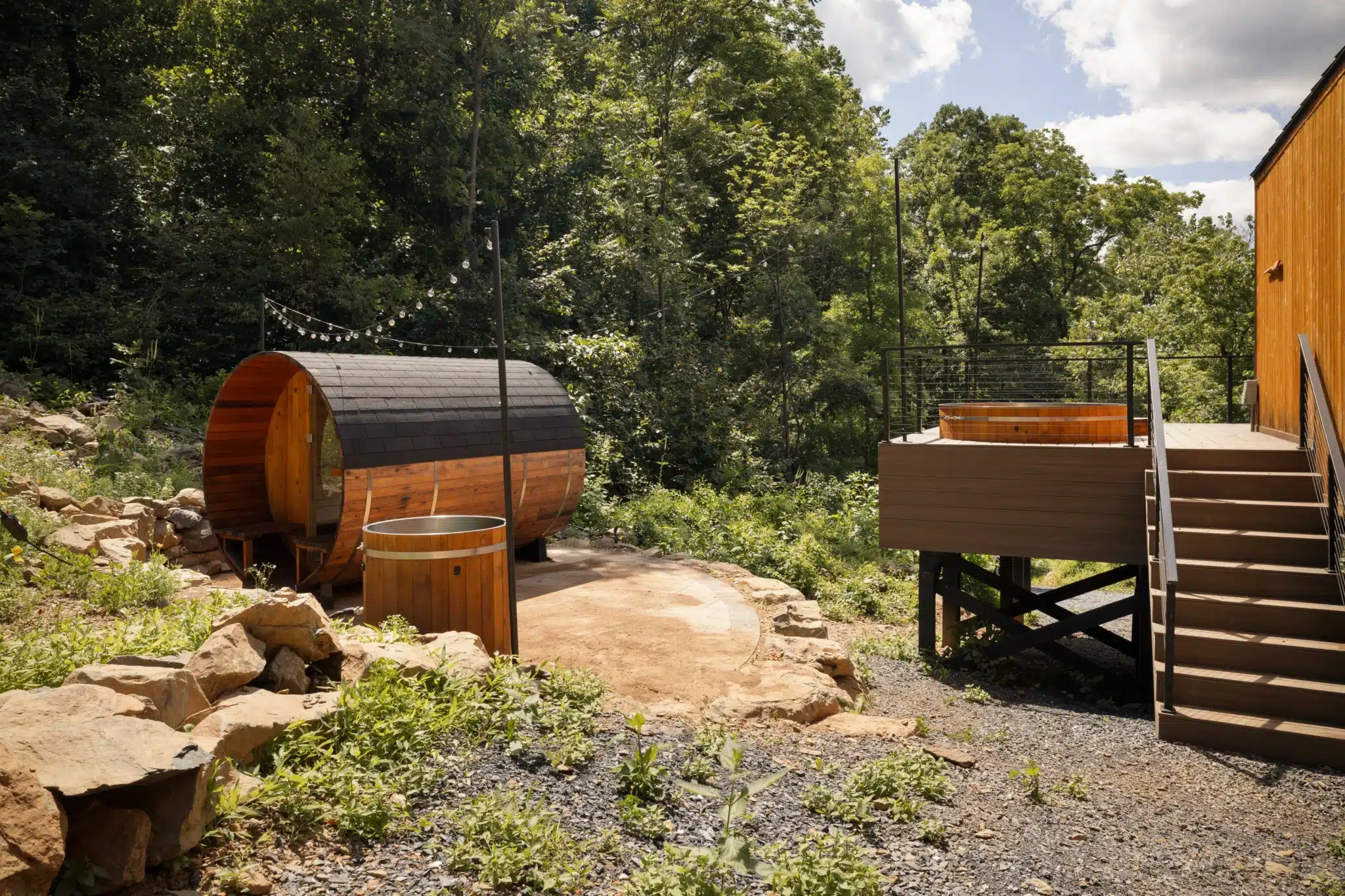
If your itinerary leans toward Skyline Drive and the northern cavern corridor, Royal Oak Retreat keeps you about 40 minutes from the park entrance, and the sunken hot tub and sauna give you somewhere to actually unwind after a full day of hiking and driving. Check availability and book direct here.
Content powered by inkSTR.co