
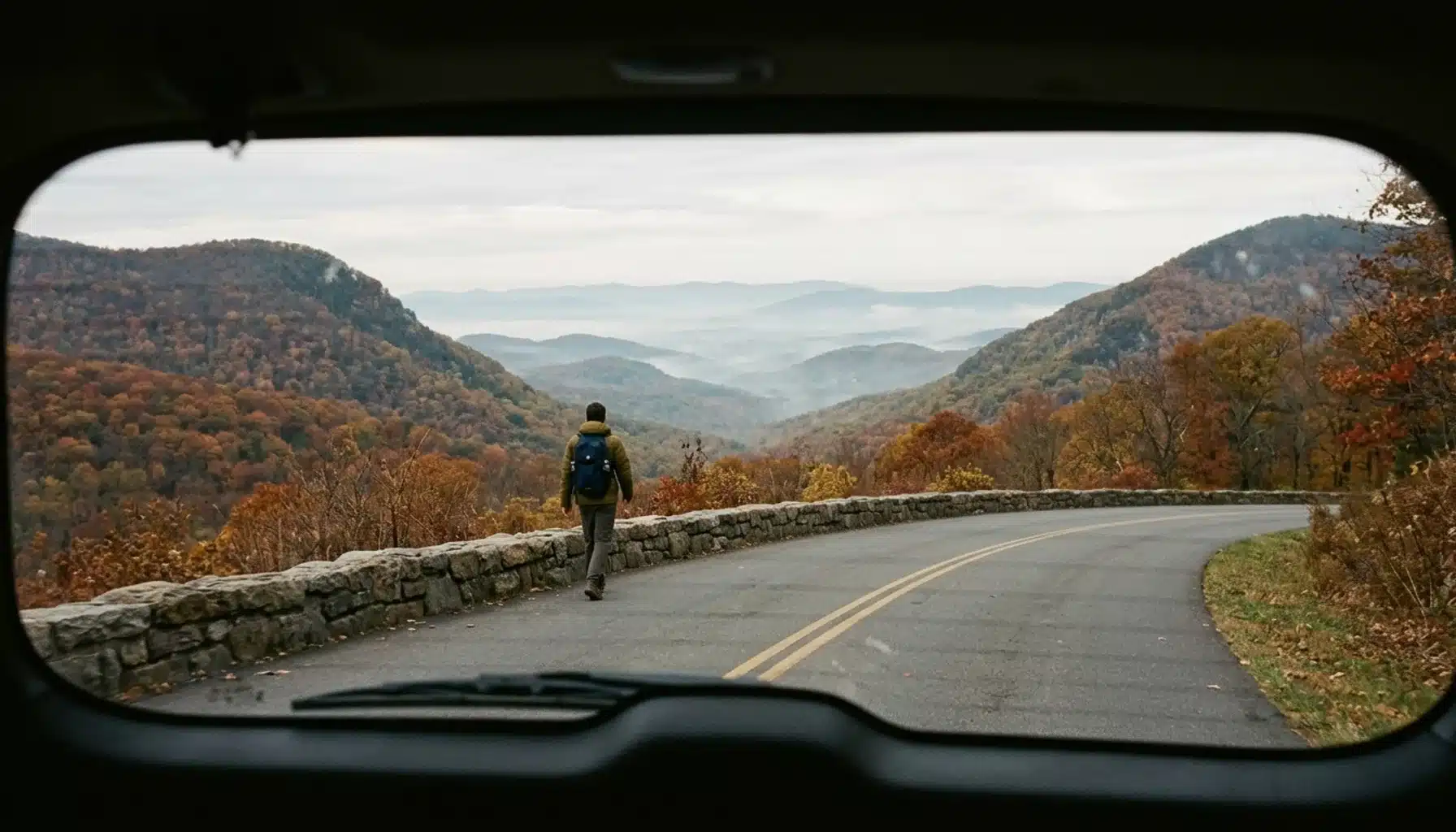
May is the best month to visit Shenandoah National Park for most travelers, offering average highs near 65°F, blooming wildflowers, and visitor counts well below the October rush. September is the close runner-up if you want warm days without summer traffic, while October delivers the best foliage but the heaviest crowds of the year.
Key Takeaways
- May offers the best overall balance of weather and crowd levels, with average temperatures around 64°F and roughly 136,000 to 173,000 visitors compared to October’s 300,000 to 360,000, according to monthly visitation estimates cited by Miles with McConkey.
- October is the single busiest month in Shenandoah National Park, accounting for roughly 24% of the park’s annual visitor total according to the National Park Service, driven almost entirely by fall foliage that peaks in the third week of the month.
- Shenandoah National Park drew 1.7 million visitors in 2026 who spent $132 million in surrounding communities, per National Park Service figures, making crowd timing a real logistical concern, not just a comfort preference.
- September is the sleeper pick: warm days, cooling nights, and visitor traffic close to May’s shoulder-season levels, making it ideal for hikers who want summer-adjacent weather without summer-adjacent parking lines.
- Winter months (December through March) see the fewest visitors and the fewest open services, but reward travelers with empty overlooks and a genuine off-season stillness that Skyline Drive rarely offers otherwise.
- Staying just outside the park in Shenandoah Farms or Front Royal, roughly 40 minutes from the park’s main corridor, gives you flexibility to dodge the worst Skyline Drive traffic windows regardless of which month you choose.
Choosing the best month to visit Shenandoah National Park in 2026 comes down to a trade-off almost every park visitor eventually has to make: weather versus crowds. Shenandoah stretches along more than 100 miles of Skyline Drive through the Blue Ridge Mountains, and its character changes dramatically depending on the season you show up in.
This guide breaks down every month by temperature, crowd density, and what’s actually worth doing, using visitation data and seasonal patterns rather than vague seasonal generalities. It also covers the questions travelers ask right after they’ve settled on timing: how many days to budget, where to base yourself, and how Shenandoah stacks up against other Blue Ridge destinations.
If you’re planning a trip from the Washington D.C. metro area, staying in a private cabin near Shenandoah Valley rather than inside the park itself often gives you more control over your schedule than the park’s own limited lodging, which stays booked out during the busiest weeks. More on that below.
What Is the Best Month to Visit Shenandoah National Park?
May is widely considered the best month to visit Shenandoah National Park because it combines mild weather, blooming wildflowers, and crowd levels well below the fall foliage peak. Average temperatures hover around 64°F during the day and 46°F at night, according to seasonal data compiled by WhenToVisitParks, with roughly 14 hours of daylight to work with.
Specifically, May sits in a sweet spot: spring wildflowers along trails like Dark Hollow Falls are still blooming, waterfalls run fuller from spring rain, and the park hasn’t hit its June through October high season yet. As a result, you get shorter lines at entrance stations and easier parking at popular trailheads like Old Rag and Stony Man.
The trade-off is that May is also peak wildflower season, so weekends can still draw a crowd, particularly during the park’s annual Wildflower Weekend programming. Additionally, spring showers are common, so pack a rain layer. For a quieter version of the same weather window, aim for a Tuesday through Thursday visit rather than a weekend, and arrive at trailheads before 9 a.m.
If your travel dates are flexible, September offers nearly identical crowd relief with warmer temperatures and none of the spring rain risk.
How Do Crowds and Weather Change Month by Month?
Shenandoah National Park’s crowd levels swing dramatically across the calendar, ranging from roughly 12,000 monthly visitors in January to more than 300,000 in October. The table below uses visitation estimates and temperature data gathered from USA National Parks and Miles with McConkey to lay out what each month actually looks like.
For example, June through August bring the warmest weather but also the heaviest weekend traffic, since these months overlap with school summer breaks and family road trips along Skyline Drive. In contrast, November and December see temperatures drop into the 30s and 40s, with visitor numbers falling by more than 60% compared to October.
| Month | Avg. Temp (°F) | Estimated Visitors | Crowd Level |
|---|---|---|---|
| January | 25-35 | 12K-33K | Very Low |
| February | 30-40 | 14K-40K | Very Low |
| March | 40-50 | 53K-93K | Low |
| April | 50-60 | 115K-140K | Moderate |
| May | 60-70 | 136K-173K | Moderate |
| June | 70-80 | 160K-190K | High |
| July | 75-85 | 170K-193K | High |
| August | 70-80 | 165K-215K | High |
| September | 60-70 | 146K-156K | Moderate |
| October | 50-60 | 300K-360K | Very High |
| November | 40-50 | 114K-170K | Low-Moderate |
| December | 30-40 | 20K-40K | Very Low |
Notably, October’s visitation is more than double any other month, which lines up with the National Park Service’s figure that October alone accounts for roughly 24% of Shenandoah’s annual visitor total. If crowd avoidance matters more to you than fall colors, that single statistic should shape your entire trip calendar.
When Does Fall Foliage Peak in Shenandoah National Park?
Peak fall foliage in Shenandoah National Park typically occurs in mid-October, most often around the 20th, though exact timing shifts year to year based on temperature and rainfall patterns. The color change generally moves from higher elevations near Skyline Drive’s northern overlooks downward through late October.
As a result, mid to late October brings the most intense reds and oranges but also the most bumper-to-bumper traffic the park sees all year, particularly on Skyline Drive between Thornton Gap and Big Meadows on weekends. Specifically, if you’re chasing color without the gridlock, target a weekday visit in the third week of October, or shift your trip to late September or early November for a milder, less saturated color display with far fewer cars.
For the most current color status before you book dates, check the park’s own Things To Do page from the National Park Service, which posts seasonal foliage updates.
One detail most guides skip: overlooks like Franklin Cliffs Overlook fill their pullouts by 10 a.m. on peak weekends. Arriving before 8 a.m. or after 4 p.m. gets you the same view with a fraction of the foot traffic.
How Many Days Do You Need at Shenandoah?
Two full days is the minimum recommended stay at Shenandoah National Park, giving you enough time for a substantial hike, at least one waterfall, a scenic drive segment, and an evening at an overlook for sunset. The park’s 200,000-plus acres and 500-plus miles of trails reward a slower pace than a single day-trip allows.
For example, day one might cover a moderate hike like Dark Hollow Falls in the morning and a scenic drive south toward Big Meadows in the afternoon. Day two could tackle a longer trail, such as the Upper Hawksbill Summit hike, followed by stargazing after dark, since Shenandoah’s ridgelines sit far enough from D.C.’s light pollution to offer genuinely dark skies.
If your schedule allows three nights, you’ll have room for Rapidan Camp, a rock scramble like Bearfence Rock Scramble, and a slower, unhurried pace rather than a checklist sprint.
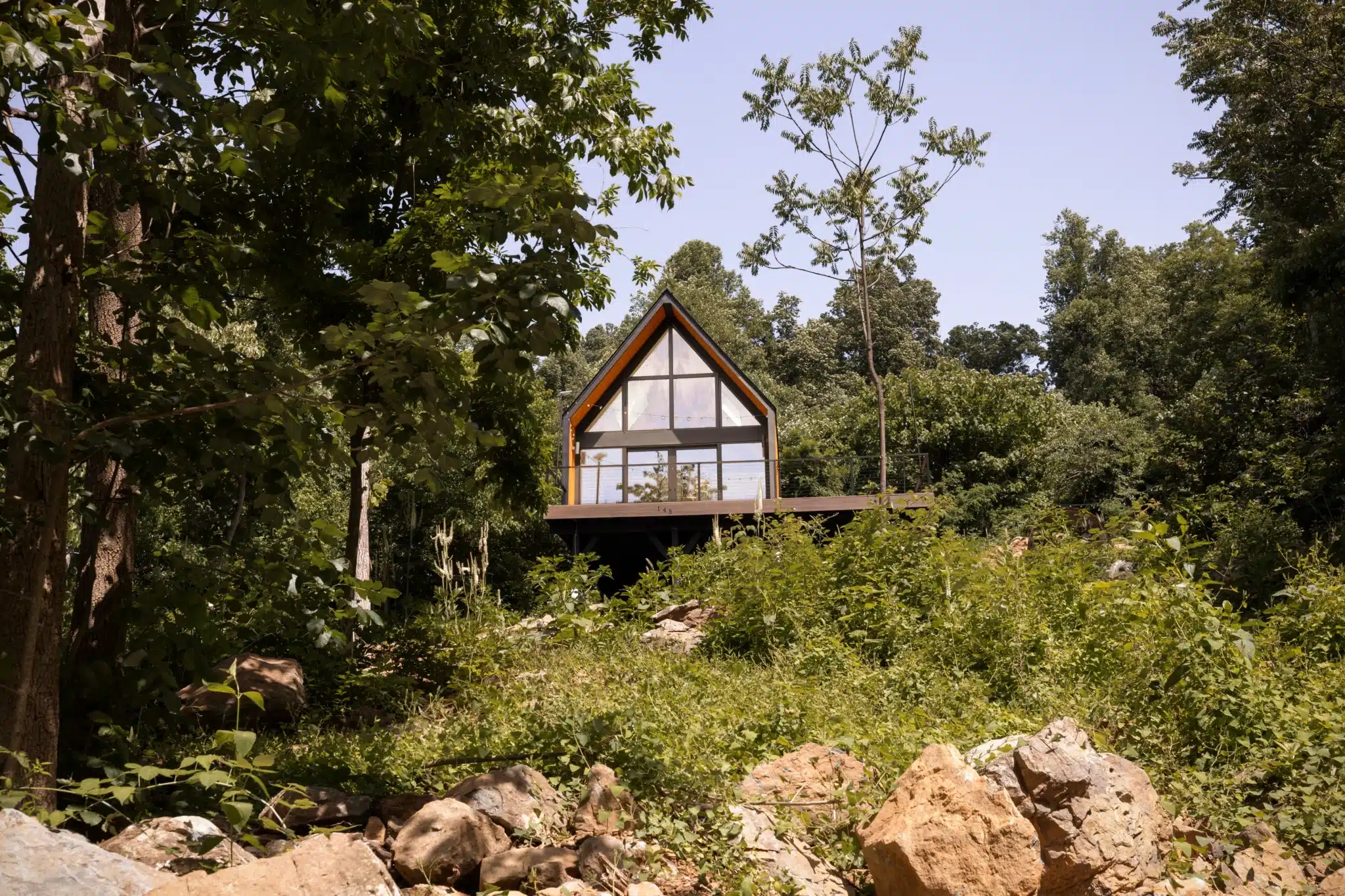
Basing yourself outside the park rather than inside it stretches your options further. Royal Oak Retreat, a wellness cabin set in the forests of Shenandoah Farms near Front Royal, sits about 40 minutes from Skyline Drive, close enough for an early trailhead start without the limited availability of in-park lodging.
What Is the Best Town to Stay in When Visiting Shenandoah?
Front Royal is generally considered the best town base for visiting Shenandoah National Park because it sits closest to the park’s northern entrance at the Front Royal gate, one of four main access points along with Thornton Gap, Swift Run Gap, and Rockfish Gap. Luray, about 20 minutes south, is the second most popular base, largely because it sits near Luray Caverns and offers a wider spread of restaurants and hotels.
For travelers coming from the Washington D.C. metro area, Front Royal and the surrounding Shenandoah Farms area cut driving time compared to entering from Rockfish Gap near Waynesboro, which sits at the park’s southern end. Shenandoah National Park is located 75 miles west of Washington, D.C., per lodging operator Delaware North, which runs the in-park concessions.
If you’d rather skip in-park lodging entirely, Shenandoah Farms offers a quieter, forested alternative to hotel strips in Luray or Front Royal proper. Royal Oak Retreat sits in that exact pocket, roughly 40 minutes from the park and close enough to reach an early trailhead start without the crowds that build up around in-town accommodations during peak season. It’s also close to a small cluster of wineries, including Fox Meadow Winery about five minutes away and Crimson Lane Vineyards roughly eight minutes out, both good options for an evening after a full day on the trails.
For a broader look at lodging inside the park itself, including Skyland and Big Meadows Lodge, the official Shenandoah lodging page covers rates and availability windows, though these rooms book out fast during October.
What Is the Most Beautiful Part of Shenandoah National Park?
The central district of Shenandoah National Park, roughly between Big Meadows and Skyland along Skyline Drive, is widely regarded as the park’s most scenic stretch, combining open meadow views, high-elevation overlooks, and access to some of the park’s best-known waterfalls. Big Meadows itself is a rare open grassland in an otherwise forested park, which makes for dramatic sunset light and consistent wildlife sightings, particularly deer and black bear at dawn and dusk.
Notably, Big Meadows Lodge and Skyland sit only about 10 to 12 minutes apart by car, based on typical drive-time reports from park visitors, which makes the central district easy to cover without long backtracking on Skyline Drive.
Within that stretch, Hawksbill Summit is the highest point in the park and delivers a 360-degree view that regularly gets cited as the single best panoramic in Shenandoah. Old Rag, while technically outside this central corridor, remains the park’s most famous and most permit-restricted hike, drawing crowds that overwhelm its parking lot by mid-morning on weekends.
If you only have time for one overlook, skip the roadside pullouts entirely and hike the short trail to Blackrock Summit near mile 84.4, a one-mile round trip with minimal elevation gain that rewards you with a rock-strewn 360-degree view most day-trippers never bother reaching.
Which Is Better, Shenandoah or Great Smoky Mountains?
Shenandoah National Park and Great Smoky Mountains National Park serve different travel needs rather than one being objectively superior. Shenandoah is the better choice for Washington D.C. area travelers who want a shorter drive, since the park sits roughly 75 miles from D.C. compared to the Smokies’ multi-state distance from most East Coast metro areas.
Specifically, Shenandoah’s single road, Skyline Drive, makes navigation simple and predictable, while the Smokies’ larger trail network and higher visitor totals overall create a more crowded, less linear experience.
In contrast, the Smokies offer more variety in elevation and ecosystem diversity along with a wider selection of in-park lodging and nearby tourist infrastructure in towns like Gatlinburg. For a traveler weighing fall foliage specifically, both parks peak around mid-October, but Shenandoah’s foliage display is more visible from the road itself, since Skyline Drive threads directly along the ridgeline rather than through lower valleys.
For most DMV-based travelers planning a weekend rather than a full week, Shenandoah’s shorter drive and simpler layout make it the more practical pick, especially when paired with a comfortable stay just outside the park rather than a multi-day road trip further south.
How Do You Avoid Crowds and Lock In Lodging?
Avoiding Shenandoah National Park’s worst crowds comes down to three levers: choosing a shoulder-season month, visiting on a weekday, and arriving before mid-morning. Weekday visits in May, September, or early November consistently see far lighter trail and parking congestion than any weekend between June and October, based on the visitation patterns shown in the table above.
As a result, a Tuesday in late September can feel nearly as empty as a January weekday while still offering 60 to 70°F weather and clear trail conditions.
For lodging specifically, the park’s own concessionaire-run properties, Skyland, Big Meadows Lodge, and Lewis Mountain Cabins, book out months ahead during October and busy summer weekends. Lewis Mountain Cabins currently holds a 4.3-star rating based on 219 reviews on Tripadvisor, while Big Meadows Lodge sits at 3.9 stars based on 1,492 reviews, reasonable ratings but not a guarantee of availability if you wait too long to book.
There are roughly 30 total places to stay in and around Shenandoah National Park according to Tripadvisor listings, meaning options exist, but the best ones vanish fast during peak weeks.
A practical workaround many travelers miss: base yourself just outside the park’s boundary rather than competing for the limited in-park rooms. Staying in Shenandoah Farms or Front Royal gives you a 40-minute buffer to the park entrance, enough distance to dodge in-park lodging scarcity while still reaching trailheads at sunrise. This is also where a private cabin outperforms hotel-style lodging: no shared walls, no set dining hours, and a stay you can shape around your own hiking schedule rather than a lodge’s check-in windows.
Additionally, purchasing your park entrance pass ahead of time through Recreation.gov’s official Shenandoah pass page lets you skip the gate line entirely during high-traffic weekends. If you’re planning multiple national park visits in 2026, the America the Beautiful annual pass through the USGS store often pays for itself after two or three park visits.
What Should You Know About Winter and Off-Season Access?
Winter access to Shenandoah National Park, roughly December through March, requires more planning than any other season because sections of Skyline Drive close temporarily during snow and ice events, and many in-park facilities shut down entirely. Big Meadows and Skyland lodges typically operate on reduced seasonal schedules, and some visitor services close outright between late fall and early spring.
As a result, winter visitors need to check current road conditions before heading out, bring their own food and water since fewer facilities stay open, and plan for temperatures that average 25 to 40°F depending on the month.
This is also a gap most competing guides skip entirely: if you’re staying nearby rather than inside the park, a 4×4 or all-wheel-drive vehicle becomes genuinely important for reaching remote lodging on unpaved or steep access roads once snow falls, not just for navigating Skyline Drive itself. Royal Oak Retreat, for instance, requires 4×4 in winter months due to its steep driveway, a detail worth knowing before you commit to a winter stay in the forested hills around Shenandoah Farms.
The reward for the extra planning is real, though: December through February bring the lowest visitor counts of the year, some overlooks and trails you’ll have entirely to yourself, and dark, clear skies that make for the best stargazing conditions Shenandoah offers all year.

What Makes a Wellness-Focused Stay Different Near Shenandoah?
A wellness-focused stay near Shenandoah National Park centers the trip around recovery and slower pacing rather than a packed sightseeing itinerary, typically built around amenities like a private hot tub, sauna, or contrast therapy setup rather than a hotel room used purely for sleeping. This distinction matters most for travelers coming from the Washington D.C. metro area who are trying to recover from the trip itself, not just check off trail names.
Specifically, contrast therapy, alternating between heat and cold exposure, works on a straightforward physiological principle: moving from a hot sauna into a cold plunge forces your vascular system to cycle rapidly, which can ease muscle soreness after a long hike and trigger a calming, parasympathetic response many guests describe as a genuine mental reset.
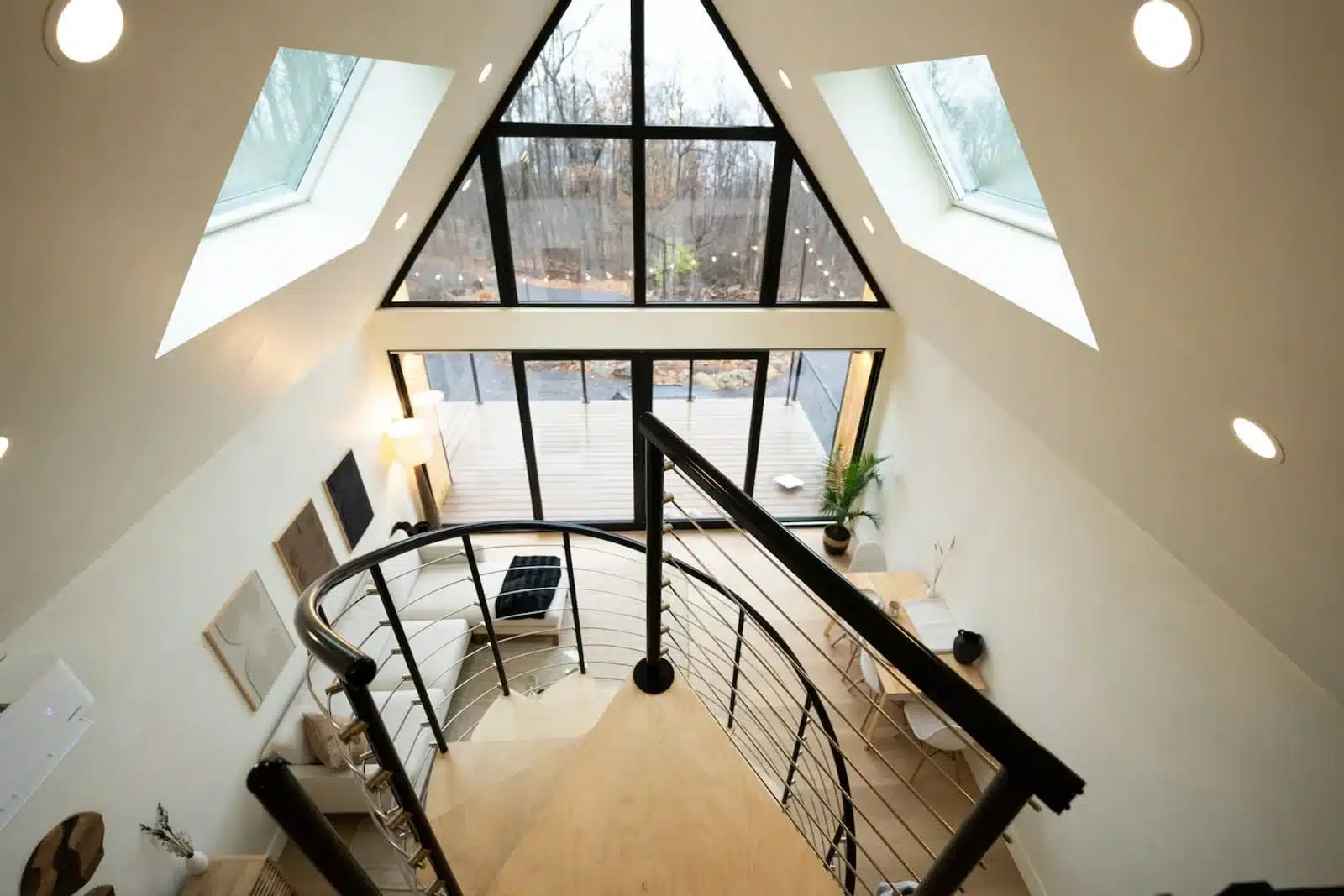
Royal Oak Retreat built its entire layout around this idea. The property’s dedicated contrast-therapy island pairs a Scandinavian-style sauna with a cold plunge, positioned alongside a large sunken outdoor hot tub designed with a clear sightline up at the Virginia sky, useful after a day spent hiking trails near Front Royal or Linden. The cabin itself sleeps up to four guests across a main bedroom and a loft reached by spiral staircase, built with a fully non-toxic, plastic-free interior, and equipped with Starlink internet and an on-site EV charger, a detail that matters if you’re road-tripping an electric vehicle from the D.C. suburbs.
For couples marking an anniversary or milestone, the Romance Package and Birthday Celebration Package add a layer of occasion to the stay without requiring you to plan the details yourself.
If you’re weighing where to stay for a Shenandoah trip built around genuine rest rather than a packed checklist, our complete Shenandoah Valley National Park guide and our roundup of the best cabins near the park both go deeper into how location and amenities affect a wellness-focused trip. Pet owners planning to bring a dog should also note that Royal Oak Retreat allows one dog under 50 lbs with a pet fee, a detail worth confirming before booking any Shenandoah-area rental.
Practical Tips for Timing Your Shenandoah Trip
Timing a Shenandoah National Park trip well means matching your priorities, weather, foliage, or crowd avoidance, to the calendar data rather than picking a month at random. Below is a simple decision framework based on what matters most to you.
- Prioritizing mild weather and fewer crowds: Book May or September. Both months offer daytime temperatures in the 60s and 70s with visitor counts well under October’s peak.
- Chasing peak fall color: Target the third week of October, but commit to weekday travel and early-morning trailhead arrivals to avoid the worst Skyline Drive backups.
- Traveling with a tight budget or flexible schedule: Consider March or November. Crowds thin dramatically and rates on nearby lodging tend to soften outside peak weekends.
- Wanting genuine solitude and dark skies: Winter months from December through February see the lowest visitor counts of the year, though you’ll need to check road conditions and pack for cold temperatures in the 20s and 30s.
- Planning a multi-day itinerary: Book at least two nights regardless of month, and stay outside the park boundary if in-park lodging is already sold out for your dates, which happens frequently during October weekends.
One mistake to avoid: assuming any weekday in shoulder season guarantees light crowds. Wildflower Weekend in May and any weekend adjacent to peak foliage in October still draw heavier traffic than a typical weekday, even in an otherwise quiet month. Check the park’s official activity calendar before locking in dates if crowd avoidance is your top priority.
Frequently Asked Questions
What is the single best month to visit Shenandoah National Park?
May is generally considered the best overall month, combining mild 60 to 70°F weather, blooming wildflowers, and visitor counts far below the October peak. September is a strong alternative if you want warmer days with similarly light crowds.
Is October too crowded to visit Shenandoah National Park?
October is the busiest month in the park, drawing roughly 300,000 to 360,000 visitors and accounting for about 24% of annual visitation according to the National Park Service. It’s still worth visiting for the foliage, but plan for weekday travel and early arrivals to avoid the heaviest traffic.
How many days should I plan for a Shenandoah National Park trip?
Two full days is the practical minimum, enough time for one major hike, a waterfall stop, and an evening overlook. Three nights or more gives you room for longer trails, Rapidan Camp, and unhurried stargazing.
What is the best town to stay in near Shenandoah National Park?
Front Royal is the most popular base due to its proximity to the park’s northern entrance, while Luray offers more restaurant variety near Luray Caverns. Staying in the forested Shenandoah Farms area outside Front Royal offers a quieter alternative with easy access to both.
When does fall foliage peak in Shenandoah National Park?
Peak fall color typically arrives in mid-October, often around the 20th, though exact timing shifts with weather each year. Higher elevations along Skyline Drive change color first, with color moving downward through late October.
Is Shenandoah National Park better than Great Smoky Mountains National Park?
Neither park is objectively better; they serve different needs. Shenandoah offers a shorter drive from Washington D.C. and a simpler single-road layout, while the Smokies offer greater ecosystem variety and a wider range of in-park lodging.
Is winter a good time to visit Shenandoah National Park?
Winter, from December through March, brings the lowest crowds and the clearest stargazing conditions of the year, but requires checking Skyline Drive road closures and packing for temperatures in the 20s to 40s. A 4×4 vehicle is recommended for reaching lodging on steep, unpaved access roads once snow falls.
Do I need a reservation to visit Shenandoah National Park?
General park entry does not require a timed reservation, though buying your entrance pass in advance through Recreation.gov lets you skip the gate line during busy weekends. Certain popular trails, such as Old Rag, may have separate ticketing requirements, so check the park’s official planning page before you go.
Final Word on Timing Your Shenandoah Visit
The best month to visit Shenandoah National Park ultimately depends on what you’re optimizing for, but if you want the strongest overall balance, May delivers mild weather and blooming wildflowers with roughly half the crowds of an October weekend. September is the closest alternative for warmer days with similarly light traffic, and October remains worth the visit if fall color outweighs your tolerance for Skyline Drive backups.
Whichever month you choose in 2026, the trip itself gets easier when your lodging sits close enough to the park to skip the scramble for early parking and in-park rooms, but far enough to offer a genuine reset once the hiking boots come off.
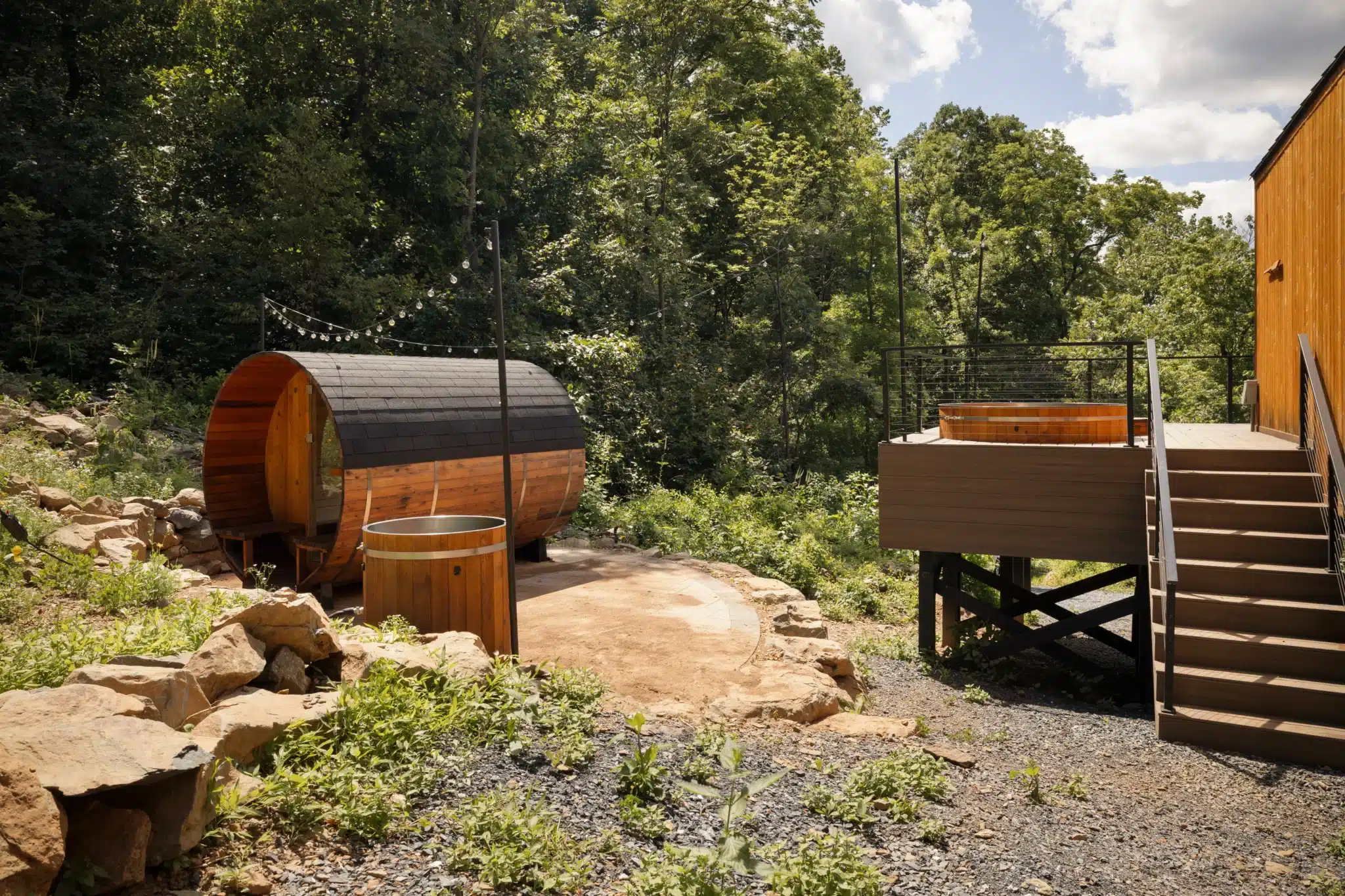
Whatever month you pick for Shenandoah, Royal Oak Retreat sits about 40 minutes from Skyline Drive, close enough for an early trailhead start and a soak in the sunken hot tub once the day is done. Check availability and book direct here.
Content powered by inkSTR.co