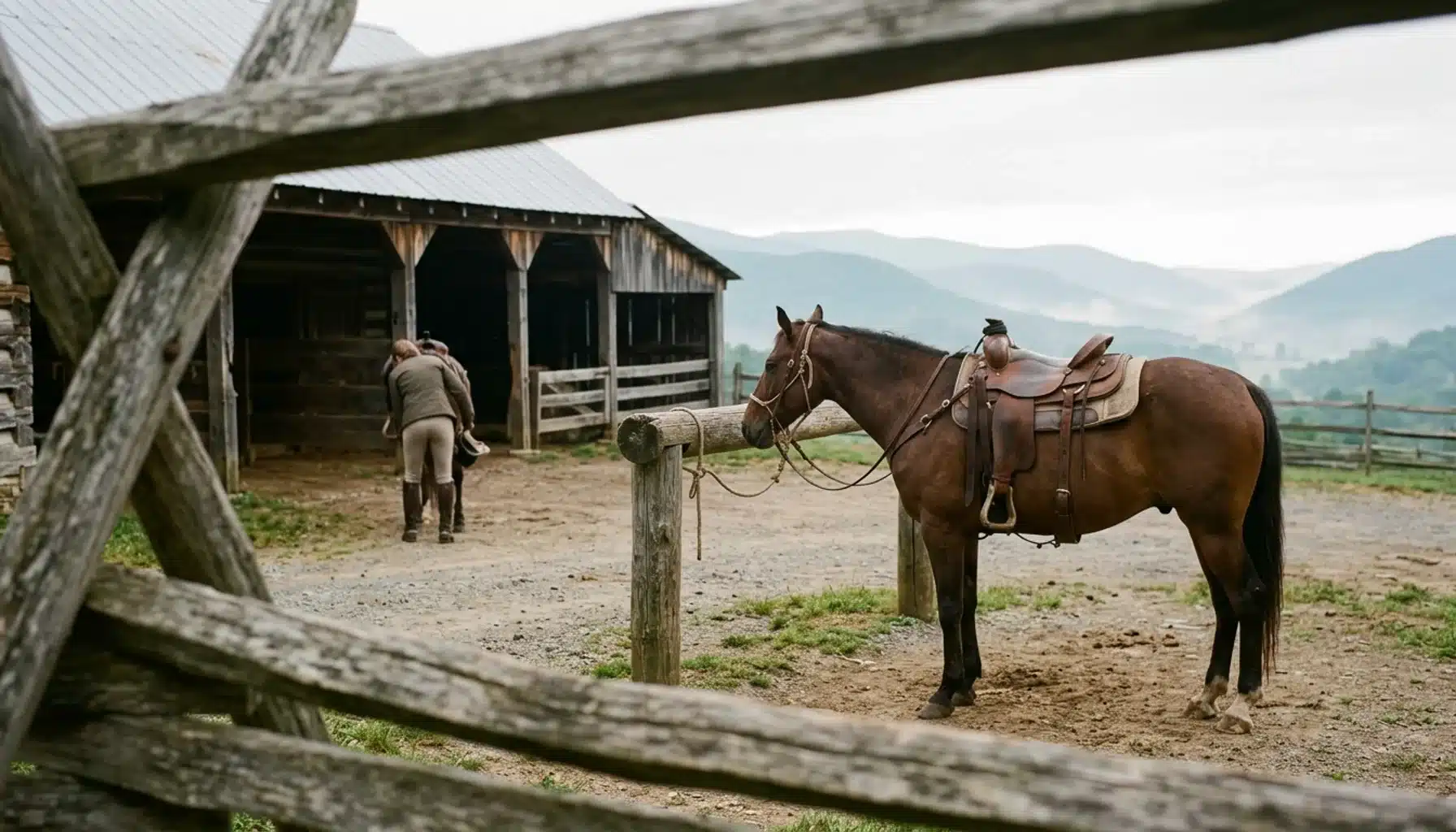
Horseback riding in Shenandoah Valley means booking a guided trail ride at one of several working stables scattered between Front Royal and Staunton, with prices typically running $75 to $90 per person for a one-hour ride. The valley offers everything from national park trail rides at Skyland Stables to riverfront rides along the South Fork of the Shenandoah, and most operators require no prior riding experience.
Key Takeaways
- Skyland Stables inside Shenandoah National Park charges $89.99 per person for a one-hour guided ride, running May 1 through October 25, 2026, weather permitting.
- Graves Mountain Farm’s Circle H Equine operates 60-minute rides four times daily Tuesday through Sunday at $75 per person, with an 8-year minimum age and 300-pound weight limit.
- Shenandoah National Park maintains over 180 miles of horse-accessible trails, ranging from wide gravel paths to steep rocky mountain routes, according to the National Park Service.
- Jordan Hollow Stables and River’s Bend Ranch offer beginner-friendly rides through Page Valley, including routes along the South Fork of the Shenandoah River that require zero riding experience.
- Fort Valley Ranch holds the only permitted stable access into the George Washington National Forest from the valley floor, making it a distinct option for backcountry riders.
- Booking direct 1-2 weeks ahead is recommended during October, the valley’s busiest month, when Shenandoah National Park sees roughly 24% of its annual visitor traffic.
If you’ve spent any time researching Shenandoah National Park cabin rentals or planning a Front Royal weekend, you’ve probably noticed how many stables claim to offer “the best” trail ride. The reality is more useful than that: different stables serve different kinds of riders, and picking the wrong one wastes a half day of your trip.
This guide breaks down every legitimate stable option in the valley, from the National Park Service concessionaire at Skyland to the backcountry access at Fort Valley Ranch, plus what to actually pack, how difficult the trails really are, and who should think twice before booking. As of 2026, most stables run seasonally, so timing matters as much as picking the right operator.
We manage Royal Oak Retreat, a wellness cabin in Shenandoah Farms near Front Royal, and guests regularly ask us which stable to book before or after a ride. The short answer: it depends on whether you want national park scenery, riverfront flats, or forest-service backcountry, and we’ll walk through each.
What Stables Offer Horseback Riding in Shenandoah National Park?
Skyland Stables is the only horseback riding operator inside Shenandoah National Park, located at mile 42.5 on Skyline Drive and run under concessionaire Delaware North. The stable operates one-hour guided rides from May 1 through October 25, 2026, weather permitting, at $89.99 per person plus tax.
Departures run Monday through Thursday at 9:45 AM, 11:00 AM, 1:15 PM, and 2:30 PM, with an additional 8:30 AM slot added Friday through Sunday. Each departure is capped at six horses, so groups larger than that need to split across time slots or book multiple sessions.
Riders must be at least 4’10” tall and weigh under 250 pounds. Closed-toe shoes are mandatory, high heels are not allowed, and helmets are required for every rider regardless of experience. Plan to check in 30 minutes before your scheduled departure since Skyland doesn’t hold spots for late arrivals.
Skyland also runs pony rides for younger riders from 10:00 AM to 2:00 PM, skipping the noon hour, at $9.99 plus tax for 15 minutes. Kids need to be at least 5 years old and tall enough for their feet to reach the stirrups. For full scheduling details and any 2026 updates, check GoShenandoah.com or the Skyland Stables official page directly before you drive up.
Which Stables Outside the Park Are Worth Booking?
Several private stables outside Shenandoah National Park offer guided rides at lower price points or with different terrain than Skyland, and most accept younger or heavier riders than the park’s concessionaire. These operators sit in Madison, Page, Rockingham, and Warren counties, each with its own specialty.
Graves Mountain Farm’s Circle H Equine, based in Syria, VA in Madison County, runs 60-minute western-style trail rides across 1,800 acres four times a day, Tuesday through Sunday, at $75 per person. The stable sits at 80 Apple Tree Lane, reached by turning onto Apple Tree Lane after passing the farm’s market and the main lodge drive. Riders must be at least 8 years old and under 300 pounds, a notably more accommodating weight limit than Skyland’s 250-pound cap.
Jordan Hollow Stables, at 657 Pine Grove Rd in Stanley, VA, offers 90-minute rides at a walk or walk-trot pace through shaded trails near Hawksbill Creek. Page Valley tourism notes riders as young as 7 can join group sessions, and private rides are available for couples wanting a slower, more intimate pace.
River’s Bend Ranch runs one-hour guided rides along the South Fork of the Shenandoah River, moving through ranch pastures and private riverfront. No prior riding experience is required, and the flat terrain makes it one of the gentler options in the valley for total beginners.
What Horse-Friendly Trails Exist in the National Forest?
The George Washington National Forest maintains a network of horse-approved trails around Strasburg, Woodstock, and New Market, cataloged by Shenandoah County tourism for riders who prefer public land over guided stable tours. These trails range from short technical loops to multi-mile backcountry routes.
Signal Knob measures 9.9 miles and climbs to sweeping valley views, making it a demanding full-day option best suited to experienced horse-and-rider teams. Shorter alternatives include the Tuscarora-Bear Wallow Trail at 3.15 miles and Tuscarora-Doll Ridge Trail at 3.5 miles, both reasonable half-day rides for intermediate riders.
For longer backcountry mileage, Tuscarora-Little North Mountain runs 8.2 miles, while Mudhole Gap stretches 12.7 miles and the Emerald Pond Hike covers 8 miles. Additional approved systems include the East Massanutten Mountain Area Loop Trails, Little Passage Creek, and routes around Falls Ridge, Laurel Run, Little Sluice Mountain, and Crisman Hollow.
Fort Valley Ranch, near Luray in Powell’s Fort Valley, is described as the only valley stables with permitted access into the George Washington National Forest, meaning riders there can transition from a guided stable ride directly onto federal backcountry trails. The Fort Valley Ranch website lists ride durations from one hour up to full-day trips, plus horse- and mule-drawn wagon rides for non-riders in your group.
Inside the national park itself, the Park Service maintains over 180 miles of horse trails, and the horseback trail-rides pdfs published by the NPS list specific mileage, parking areas, and riding directions for self-guided routes if you’re bringing your own horse.
How Difficult Are Shenandoah Valley Horseback Trails for Beginners?
Trail difficulty in the Shenandoah Valley ranges from flat, wide gravel paths suitable for first-time riders to steep, narrow, rocky mountain routes that challenge experienced horse-and-rider pairs, according to the National Park Service’s own trail descriptions. Most commercial stable rides are designed for beginners.
Skyland Stables, River’s Bend Ranch, and Graves Mountain’s Circle H Equine all run guided rides at a controlled walking pace with no prior experience required. These are genuinely beginner-appropriate: horses are trained for tourist traffic, guides lead the group, and the terrain stays relatively even.
Jordan Hollow offers a step up with walk-trot pacing for riders who want slightly more movement without full backcountry exposure. This is a reasonable middle option if you’ve ridden a handful of times but aren’t comfortable cantering.
The George Washington National Forest trails are a different category entirely. Signal Knob’s 9.9 miles and Mudhole Gap’s 12.7 miles involve real elevation gain and rocky footing, and they’re intended for riders bringing their own horses rather than beginners on a guided tour. If you’re new to riding, skip these and stick to a stable-guided option first.
One honest caveat: October is the single busiest month in Shenandoah National Park, accounting for roughly 24% of annual visitation, which means Skyland Stables books up fast during peak foliage weekends. If you want a fall ride with color on the ridgeline, call ahead at least a week or two out rather than showing up and hoping for an open slot.
What Should You Pack for a Horseback Ride in the Valley?
Packing for a Shenandoah Valley trail ride means prioritizing closed-toe boots, layered clothing, and sun protection, since most rides run one to two hours outdoors with no shade for long stretches. This is one area where generic packing lists fall short, so here’s what actually matters.
Footwear comes first: closed-toe shoes with a slight heel are ideal, and stables like Skyland explicitly ban high heels and open sandals. Sneakers work in a pinch, but boots with a defined heel keep your foot from sliding through the stirrup.
Layer for temperature swings. Morning rides in spring and fall can start in the 50s and warm into the 70s by midday, so a light jacket you can tie around your waist beats a heavy coat you’re stuck wearing.
Bring water, especially for anything over an hour, since Signal Knob-length routes and full-day Fort Valley Ranch trips don’t pass reliable water sources. Sunscreen matters more than most riders expect: Skyline Drive’s elevation and open ridgelines mean UV exposure is higher than valley-floor hiking. A hat with a chin strap works better than a ball cap, which tends to blow off at a trot.
Skip loose jewelry, dangling scarves, and anything that could catch on tack or spook a horse. Most stables provide helmets, but if you have your own properly fitted equestrian helmet, bringing it is a reasonable option worth asking about when you book.
How Do the Major Stables Compare on Price and Experience?
Shenandoah Valley stables differ meaningfully on price, ride length, minimum age, and terrain, making a side-by-side comparison the fastest way to pick the right operator for your group. The table below compares the valley’s most established options as of 2026.
| Stable | Location | Ride Length | Price | Min. Age / Weight |
|---|---|---|---|---|
| Skyland Stables | Mile 42.5, Skyline Drive | 1 hour | $89.99/person | 4’10” tall, under 250 lbs |
| Circle H Equine (Graves Mountain) | Syria, VA (Madison Co.) | 1 hour | $75/person | 8 years old, under 300 lbs |
| Jordan Hollow Stables | Stanley, VA | 90 minutes | Varies, group or private | 7 years old, walk-trot pace |
| River’s Bend Ranch | South Fork Shenandoah River | 1 hour | Varies | No experience required |
| Fort Valley Ranch | Powell’s Fort Valley, near Luray | 1 hr to full-day | Varies by length | Varies by ride type |
Skyland’s premium reflects its setting: you’re riding inside a national park with Skyline Drive overlooks as your backdrop, and $89.99 buys genuine access to that landscape. Graves Mountain’s $75 rate is the better value if you’re traveling with a larger group or a heavier rider who exceeds Skyland’s 250-pound cap.
Jordan Hollow and River’s Bend both work well for couples wanting a quieter, less crowded ride, since neither draws the same volume of national park day-trippers. Fort Valley Ranch is the pick if you want to extend past an hour into half- or full-day forest-service terrain.
Can You Plan a Multi-Day Horseback Riding Itinerary in the Valley?
A multi-day Shenandoah Valley horseback itinerary is genuinely doable by pairing a stable-guided ride with a private cabin as a home base, since most stables sit within a 30 to 45 minute drive of each other across Warren, Page, Rockingham, and Madison counties. This is the piece most competitor guides skip entirely.
A realistic two-day plan: ride at Fort Valley Ranch or the George Washington National Forest trails on day one for backcountry mileage, then book a shorter, easier ride at River’s Bend Ranch or Jordan Hollow on day two along the South Fork of the Shenandoah for contrast. Stagger start times around 9 or 10 AM to beat afternoon heat in summer.
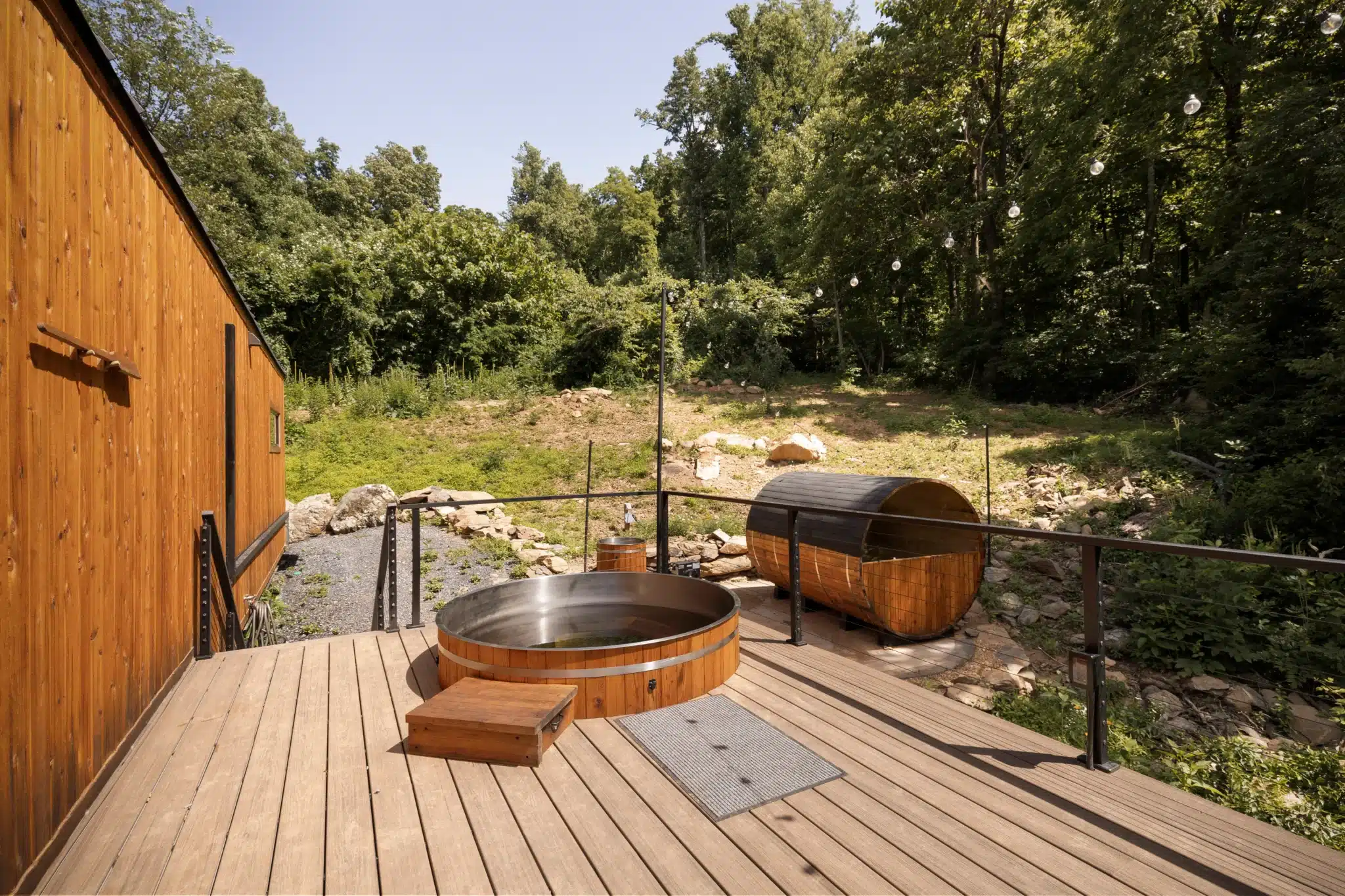
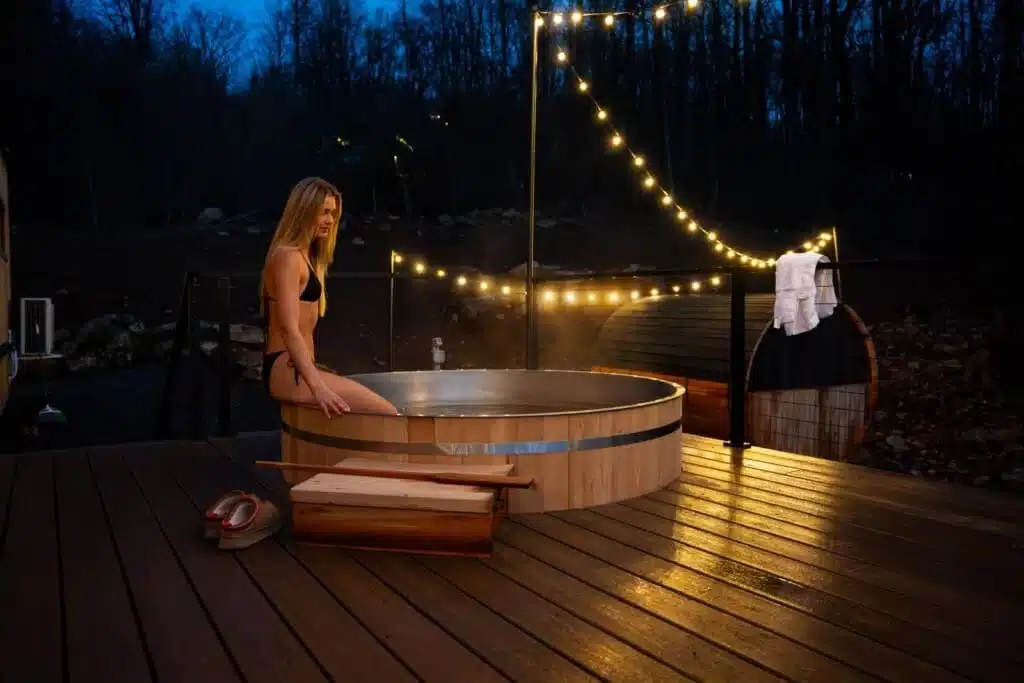
Between rides, your muscles will thank you for a hot tub or sauna session, and this is exactly the kind of recovery infrastructure a private cabin offers that a roadside motel doesn’t. Stay somewhere with genuine wellness amenities rather than powering through soreness.
For lodging near this itinerary, cabin rentals in Shenandoah Valley cluster around Front Royal and Luray, both within a reasonable drive of Skyland Stables, Fort Valley Ranch, and the Page Valley operators. If you’re also planning stops at Luray Caverns or a winery visit, Front Royal keeps you centrally positioned for both riding days and downtime. Warren County’s proximity to Skyline Drive’s northern entrance also means you can combine a morning ride with an afternoon scenic drive without backtracking far.
Is Horseback Riding Safe for Everyone? What Should You Know Before You Go?
Horseback riding in the Shenandoah Valley is safe for most healthy adults and children meeting age and weight minimums, but a few physical considerations are worth knowing before you book. Stables enforce weight and height limits specifically for rider and horse safety, not arbitrary policy.
Back and Joint Issues: The jostling motion of a trotting horse can aggravate existing back pain or joint problems. If you have a herniated disc or recent joint surgery, talk to your doctor before booking, and consider requesting a walk-only pace like the ones offered at Jordan Hollow.
Pregnancy: Most stables discourage or outright refuse riders who are pregnant due to fall risk and abdominal jostling. Call ahead and ask directly rather than assuming a policy either way.
Fear of Heights or Large Animals: Some riders underestimate how tall a horse feels from the saddle. If you’re nervous, mention it when booking. Guides at beginner-friendly stables like Skyland and River’s Bend are used to first-timers and will adjust pacing accordingly.
Weather Sensitivity: Rides in the George Washington National Forest and on exposed Skyline Drive overlooks offer little shade. Heat sensitivity or sun-related conditions mean scheduling an early morning slot rather than a 1:15 PM departure in July.
Allergies: Hay fever and horse dander allergies are common and worth planning around. Antihistamines taken an hour before your ride can prevent a miserable afternoon.
What About Accessibility for Riders with Mobility Concerns?
Riders with mobility limitations or disabilities have limited but real options in the Shenandoah Valley, with therapeutic and adaptive riding programs offered at select facilities rather than the standard commercial stables. This is an area most valley tourism guides mention only in passing.
Secret Passage Ranch in Fort Valley operates over 850 acres of private land with an indoor arena and specifically lists special-needs and therapeutic riding among its year-round offerings, alongside standard trail rides and carriage rides. This makes it one of the few valley operators equipped for adaptive equestrian programs rather than a general tourist trail ride.
Standard commercial stables like Skyland, Circle H Equine, and River’s Bend are built around a fixed-height mounting process and a minimum height requirement (4’10” at Skyland specifically), which can be a barrier for some riders with mobility differences. If accessibility is a concern, call the stable directly before booking to ask about mounting assistance, saddle modifications, or staff experience with adaptive riders, since these details aren’t consistently listed online.
Practical Guidance: How Do You Choose the Right Stable for Your Trip?
Choosing the right Shenandoah Valley stable comes down to matching your riding experience, group size, and schedule to what each operator actually offers, rather than picking whichever ranks first in a search. Follow this sequence when booking.
- Check age and weight limits first. Skyland’s 250-pound cap and 4’10” minimum rule out some riders that Graves Mountain’s 300-pound limit would accommodate.
- Decide on scenery versus terrain. Want Skyline Drive views? Book Skyland. Want river flats? Choose River’s Bend Ranch. Want backcountry forest access? Fort Valley Ranch is the only permitted option.
- Call ahead during October. Peak fall foliage season books out fast; reserve one to two weeks in advance.
- Match ride length to your group’s stamina. First-timers and kids do best with a one-hour ride; experienced riders can handle Jordan Hollow’s 90 minutes or Fort Valley’s half-day options.
- Confirm arrival requirements. Skyland requires check-in 30 minutes early with a strict six-horse departure cap, so plan your drive time accordingly.
Common mistakes to avoid: Showing up without closed-toe shoes (most stables will turn you away), assuming a walk-in slot is available during a Saturday in October, and underestimating drive time on Skyline Drive, where the speed limit rarely exceeds 35 mph. Also skip bringing young children under a stable’s minimum age hoping for an exception; most enforce it strictly for insurance reasons.
Where to Eat and Stay Near Shenandoah Valley Stables
Most Shenandoah Valley stables sit closer to Front Royal, Luray, and Stanley than to any major town center, which means planning meals and lodging around the ride rather than the other way around. Front Royal works as a central hub for riders hitting Skyland or the George Washington National Forest trails.
If you’re staying overnight, cabins near Shenandoah National Park put you within a reasonable drive of both Skyline Drive’s northern entrance and Fort Valley Ranch. For wine after a ride, Fox Meadow Winery in Linden and Crimson Lane Vineyards in Hume both sit within a short drive of Front Royal lodging, making an easy pairing with a morning trail ride.
For a full seasonal breakdown of what else to do around your ride, our guide to things to do in Shenandoah Valley covers day trips beyond horseback riding, and our hiking trails guide pairs well if you want to alternate riding days with hiking days.
Frequently Asked Questions
What is the best stable for beginners in Shenandoah Valley?
Skyland Stables inside Shenandoah National Park and River’s Bend Ranch along the South Fork of the Shenandoah River are both strong choices for first-time riders. Neither requires prior experience, both operate at a controlled walking pace with an experienced guide, and both keep the terrain relatively flat and manageable.
How much does horseback riding cost in Shenandoah Valley?
One-hour guided rides typically run $75 to $90 per person as of 2026. Skyland Stables charges $89.99 plus tax, while Graves Mountain’s Circle H Equine charges $75 per person for a comparable one-hour ride. Longer rides at operators like Fort Valley Ranch cost more depending on duration.
Can kids go horseback riding in Shenandoah Valley?
Yes, several stables accommodate children. Skyland Stables offers 15-minute pony rides for kids age 5 and up at $9.99 plus tax, while Circle H Equine and Jordan Hollow accept riders age 7 or 8 on full trail rides, depending on the stable’s specific minimum.
What is the best time of year to go horseback riding in Shenandoah Valley?
Spring (May through June) and early fall (September through mid-October) offer the most comfortable riding temperatures and the best scenery, especially on Skyline Drive routes. October is the single busiest month in Shenandoah National Park, accounting for roughly 24% of annual visitation, so book at least a week or two ahead if you want a fall foliage ride.
Do you need riding experience to book a trail ride in the valley?
No. Most commercial stables, including Skyland, Circle H Equine, and River’s Bend Ranch, are designed for riders with zero prior experience. Guides lead the group at a walking pace, and horses are trained specifically for tourist trail rides.
Are there horseback riding trails you can access without a guided tour?
Yes, if you bring your own horse. The George Washington National Forest maintains approved horse trails around Strasburg, Woodstock, and New Market, including Signal Knob (9.9 miles) and the Tuscarora trail systems. Shenandoah National Park also permits self-guided riding on over 180 miles of trail, with route PDFs published by the National Park Service.
What should I wear for a horseback ride in Shenandoah Valley?
Wear closed-toe shoes with a slight heel, avoid high heels or open sandals, and dress in layers since morning temperatures can be 15 to 20 degrees cooler than midday. Helmets are typically provided and required at stables like Skyland regardless of riding experience.
Is there horseback riding access to Luray Caverns or Skyline Drive?
Skyland Stables sits directly on Skyline Drive at mile 42.5, giving riders direct trail access within the national park. Luray Caverns itself does not offer horseback riding on-site, but Jordan Hollow Stables and Fort Valley Ranch, both near Luray, make it easy to combine a cavern visit with a trail ride on the same day.
Conclusion: Booking Your Shenandoah Valley Trail Ride
Horseback riding in Shenandoah Valley works best when you match the stable to your riding level and schedule rather than defaulting to whichever one shows up first in search results. Skyland Stables remains the go-to for national park scenery at $89.99 per hour, Graves Mountain’s Circle H Equine offers a more accommodating weight limit at $75, and Fort Valley Ranch is the only operator with permitted access into the George Washington National Forest for riders wanting backcountry mileage.
As 2026 continues to bring steady visitor traffic to the valley, particularly during October’s foliage peak, booking a week or two ahead remains the simplest way to avoid disappointment. Pair your ride with a night or two at a proper home base, and the soreness from a two-hour saddle session becomes a lot easier to shake off.
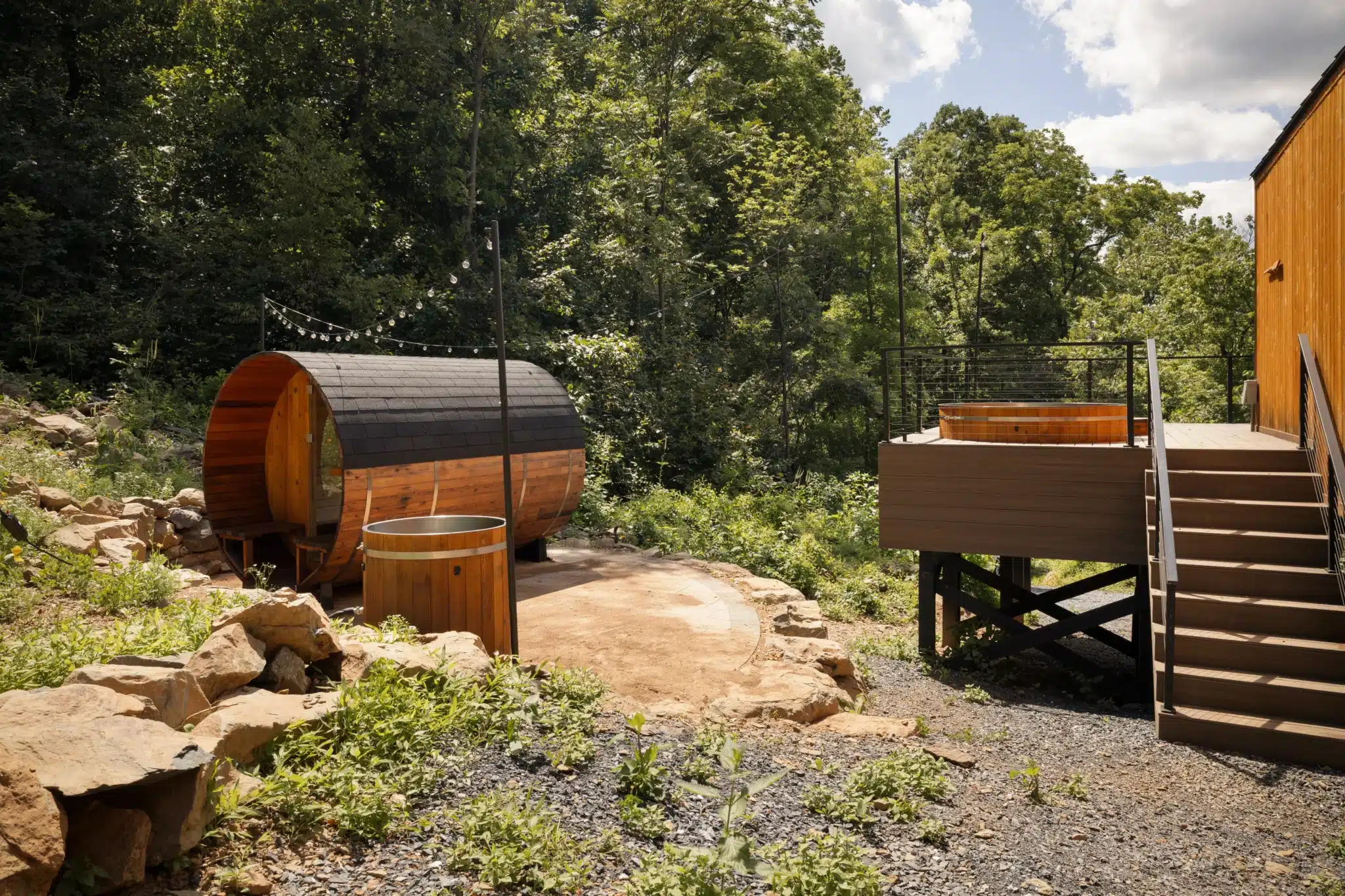
After a day in the saddle at Skyland Stables or Fort Valley Ranch, Royal Oak Retreat in Shenandoah Farms puts you about 40 minutes from the national park entrance, with a sunken stargazing hot tub and Scandinavian sauna waiting for exactly the kind of muscle recovery a long trail ride demands. Check availability here.
Content powered by inkSTR.co