
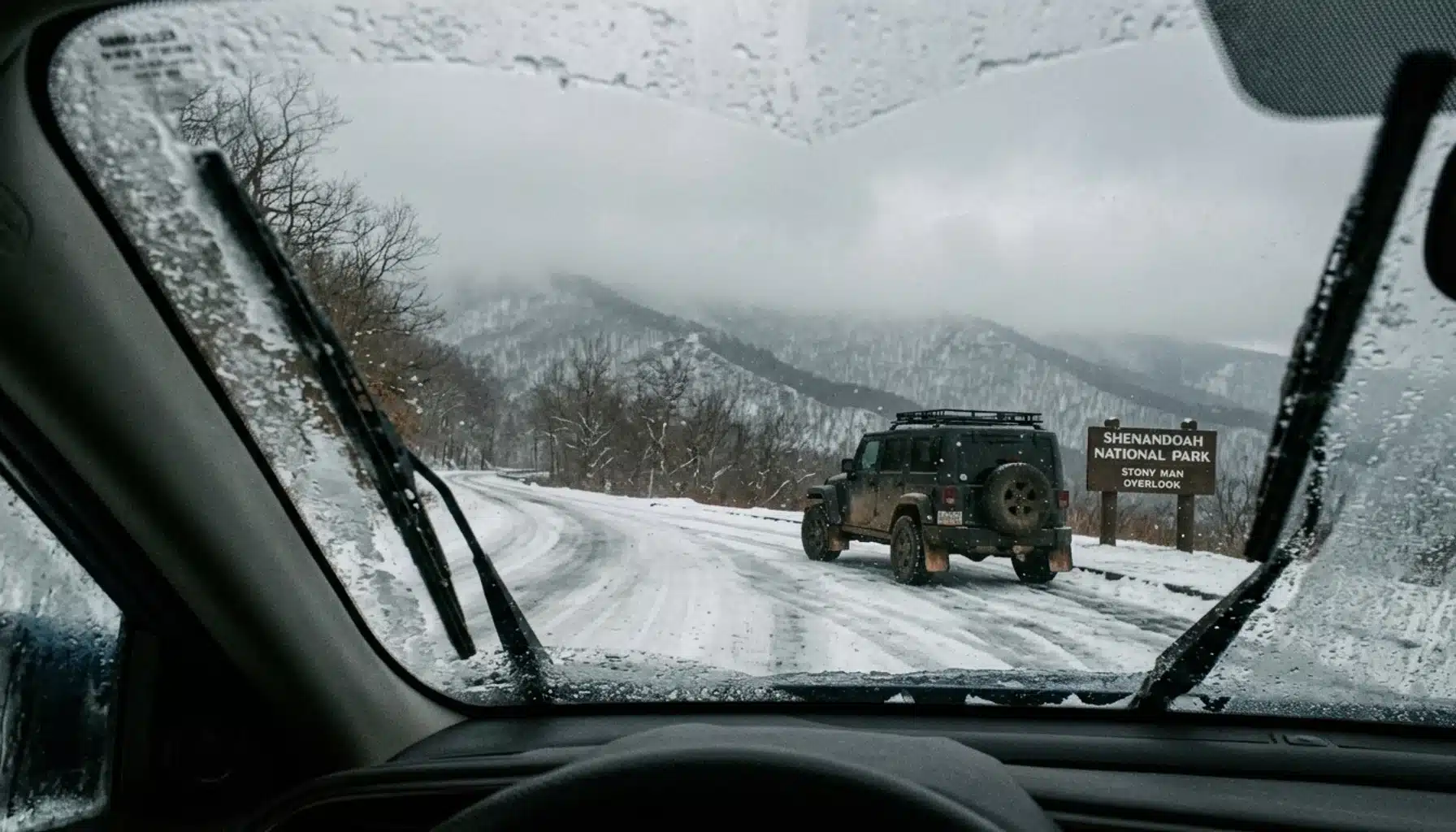
The best places to visit in Virginia in winter are concentrated in the Shenandoah Valley and Blue Ridge Mountains, where Skyline Drive overlooks, frozen waterfall hikes, and wineries stay open with a fraction of the fall crowds. Front Royal and the surrounding valley towns offer the clearest mix of scenery, quiet, and easy access from Washington D.C.
- Shenandoah National Park logged 1,576,008 recreational visits in 2023, up from 1,449,300 in 2022, according to the National Park Service, but winter months see a small fraction of that fall foliage traffic.
- Shenandoah County overnight stays jumped 431% in March 2023 compared to the same month in 2022, per Arrivalist visitor data cited by the Shenandoah County Tourism Council, signaling that shoulder-season demand is real and growing.
- Winter driveways in the mountains often require a 4×4 vehicle, a detail most Virginia winter travel guides skip entirely.
- Virginia drew $33.3 billion in visitor spending in 2023, an increase of nearly 10% over 2022, according to the Virginia Tourism Corporation, a sign the state’s off-peak seasons are gaining traction with travelers.
- Shenandoah Valley short-term rentals average roughly $200 a night with about 65% annual occupancy, per Pulsereal’s Top 10 Short-Term Rental Markets in Virginia report, meaning winter rates typically undercut October and holiday-week pricing.
- Common myths, that the valley “shuts down” in winter or that Skyline Drive is impassable all season, are mostly false and covered section by section below.
If you’re picturing Virginia in January as a ghost town of closed wineries and iced-over roads, you’re working from an outdated script. Front Royal, Luray, and the towns strung along Skyline Drive stay open through winter, just with shorter lines and quieter overlooks. At Royal Oak Retreat, we’ve watched guests from the Washington D.C. metro arrive assuming a January trip means a closed-down valley, and leave surprised by how much was actually running.
This guide busts the five biggest myths about visiting Virginia in winter, then walks through where to actually go: the towns, trails, and overlooks that work best from December through February. We’ll cover specific mileage, realistic drive times, and which roads need a 4×4 versus a standard sedan, the kind of detail most “winter bucket list” roundups leave out entirely.
As of 2026, the valley’s shoulder-season tourism numbers keep climbing, which means winter is no longer a secret. But it’s still the season with the best light, the clearest stargazing, and the emptiest trailheads of the year.
Myth: Virginia “Shuts Down” for Winter, So There’s Nothing to Do
This is false. Virginia’s Shenandoah Valley and Blue Ridge region stay active through winter, with Skyline Drive, wineries, and small-town Main Streets operating on adjusted but real schedules. Shenandoah National Park recorded over 1.5 million visits in 2023 according to NPS data, and while winter months see far less traffic, the park does not close.
Specifically, Skyline Drive can close temporarily during snow or ice events, but the National Park Service typically reopens sections within a day or two once roads are treated. The official NPS activity page lists current closures in real time, which is the single most useful bookmark for a winter Shenandoah trip.
Front Royal’s downtown keeps its restaurants and shops open year-round, and wineries like Fox Meadow Winery in Linden run tasting room hours through the cold months, just with a fireplace instead of a patio. As a result, winter visitors get the same wine list with none of the September crowd.
The real difference isn’t availability, it’s pacing. Expect shorter daylight (sunset around 5 pm in December and January), fewer overlook pull-offs occupied, and restaurants that don’t need a wait list on a Friday night.
What Is the 1st Attraction in Virginia?
Shenandoah National Park is widely considered Virginia’s top attraction, drawing over 1.5 million visits in 2023 and generating $114 million in nearby community spending that year, according to the park’s Visitor Spending Effects Report. Skyline Drive, its 105-mile scenic road, is the centerpiece.
In winter, Skyline Drive delivers something fall foliage season can’t: unobstructed views. With leaves down, overlooks like Franklin Cliffs Overlook open up sightlines across the valley that are partially blocked by canopy the rest of the year. Bring layers; wind at elevation cuts sharper than the valley floor temperature suggests.
Waterfall hikes take on a different character too. Dark Hollow Falls, a 1.4-mile round trip rated moderate by the NPS, often partially freezes by mid-January, creating ice formations that draw photographers on clear, cold mornings. Microspikes are worth packing; the trail’s rock steps get slick even without visible ice.
For a shorter outing, Blackrock Summit at mile 84.4 is a 1-mile loop with only 175 feet of elevation gain, making it one of the easiest rewarding views in the park, a good pick if daylight is already running short. The park’s visitor centers, including Dickey Ridge, keep reduced but real winter hours; call ahead since staffing shifts seasonally.
Guests staying at Royal Oak Retreat in Shenandoah Farms are about 40 minutes from the park’s Front Royal entrance, close enough for a half-day hike and back before dark, which matters more in December than in June.
Myth: Winter Hiking in Shenandoah Is Only for Experienced Hikers
This isn’t accurate. Shenandoah National Park offers winter trails ranging from easy, paved-adjacent walks to advanced rock scrambles, and the difficulty spread means casual visitors have real options. The mistake most guides make is treating “winter hike” as a single difficulty tier.
For beginners, Blackrock Summit’s 1-mile loop and gentle grade make it accessible even with light snow underfoot, assuming trekking poles or basic traction devices. For a moderate step up, Dark Hollow Falls covers 1.4 miles with a steady descent to the falls and a climb back, manageable for most fitness levels in under 90 minutes.
On the advanced end, the Bearfence Rock Scramble involves hands-on-rock climbing near the summit and should be skipped entirely if there’s any ice on the exposed rock face. Similarly, Upper Hawksbill Summit, the park’s highest point, rewards the climb with panoramic views but demands sturdy boots and daylight buffer in winter’s shorter afternoons.
Whatever the trail, a 4×4 vehicle is worth having if you’re staying off the main valley roads. The steep gravel driveway at Royal Oak Retreat in Shenandoah Farms, for example, requires 4×4 during winter months when snow or ice is present, a detail that applies to plenty of mountain-adjacent lodging in this region, not just one property. Pack accordingly, and check the official NPS activity page for current trail conditions before heading out.
| Trail | Distance | Difficulty | Winter Notes |
|---|---|---|---|
| Blackrock Summit | 1 mile round trip | Easy | 175 ft gain, good for short daylight |
| Dark Hollow Falls | 1.4 miles round trip | Moderate | Partial ice formations by mid-January |
| Bearfence Rock Scramble | Short loop | Advanced | Skip if rock is icy |
| Upper Hawksbill Summit | Moderate distance | Moderate to advanced | Highest point in the park; bundle up for wind |
Where to Go for a Quick Winter Getaway?
Front Royal and the greater Shenandoah Valley make the strongest case for a quick winter getaway from Washington D.C., sitting roughly an hour from the capital with direct access to Skyline Drive, wineries, and Luray Caverns. A two-night trip covers the highlights without a long drive eating into the weekend.
Specifically, the drive from D.C. runs about an hour to Front Royal via I-66, making it realistic to leave after work on a Friday and be soaking in a hot tub under the stars before 9 pm. That’s a meaningfully shorter trip than the three-hour drives required for Wintergreen or the southern Blue Ridge Parkway towns.
Once there, Luray Caverns, a world-famous underground cave system, runs tours year-round regardless of surface weather, a useful fallback on a rainy or bitterly cold day. It sits about 40 minutes from Royal Oak Retreat, making it an easy half-day add-on to a valley weekend.
For wine, Fox Meadow Winery in Linden is roughly 5 minutes from Royal Oak Retreat, and Crimson Lane Vineyards in Hume is about 8 minutes out, both realistic stops on the same afternoon. Neither requires a reservation for a casual tasting, though weekend afternoons can still draw a crowd even in January.
Massanutten offers a different quick-trip angle if skiing or tubing is the goal. Massanutten Ski Resort runs lifts and tubing lanes through the winter season and sits within reasonable driving distance of the valley’s cabin rentals, though it draws a family-oriented crowd on weekends and holiday weeks.
Myth: You Need a Whole Week to See the Valley’s Best Spots
This is untrue for winter specifically. Shorter daylight actually forces a tighter, more efficient itinerary, and most of the valley’s standout winter experiences fit comfortably into a two- or three-night stay. Trying to stretch it to a full week in December often means padding with filler.
A realistic two-night structure: arrive Friday evening, spend Saturday split between a Skyline Drive scenic loop in the morning and a winery stop in the afternoon, then Sunday morning for one waterfall hike before the drive home. That covers the park, the wine corridor, and a hike without rushing.
Specifically, the Giving Tree Farmers Market in Linden, about 10 minutes from Royal Oak Retreat, runs seasonal hours and is worth checking before a Saturday morning drive, since winter schedules shrink compared to summer. If it’s closed, Front Royal’s Main Street shops cover the same “browse before lunch” slot.
What actually eats time in winter isn’t distance, it’s daylight. With sunset around 5 pm in December and January, plan outdoor activities for morning through early afternoon and reserve evenings for the sauna, hot tub, or a fireside dinner rather than trying to squeeze in a sunset hike that won’t happen.
For a fuller seasonal breakdown of what’s open month by month, our seasonal guide to things to do in Shenandoah Valley covers the shoulder months in more depth than a single winter trip needs.
What Is the Prettiest Place in Virginia?
Shenandoah National Park and its Skyline Drive corridor are widely regarded as Virginia’s most scenic stretch, and winter reveals sightlines that summer’s dense canopy hides. Bare trees open valley views from overlooks that feel closed-in the rest of the year.
The Franklin Cliffs Overlook, for example, offers layered ridgeline views that stretch further in winter’s clear, dry air. Cold fronts often bring the sharpest visibility of the year, a detail landscape photographers know but casual visitors rarely do.
Beyond the park boundary, the wine corridor around Linden and Hume adds a quieter kind of scenery: rolling vineyard rows against a mountain backdrop, mostly empty of the tour buses that show up during peak fall weekends. Fox Meadow Winery’s hillside tasting room looks out over exactly this kind of view.
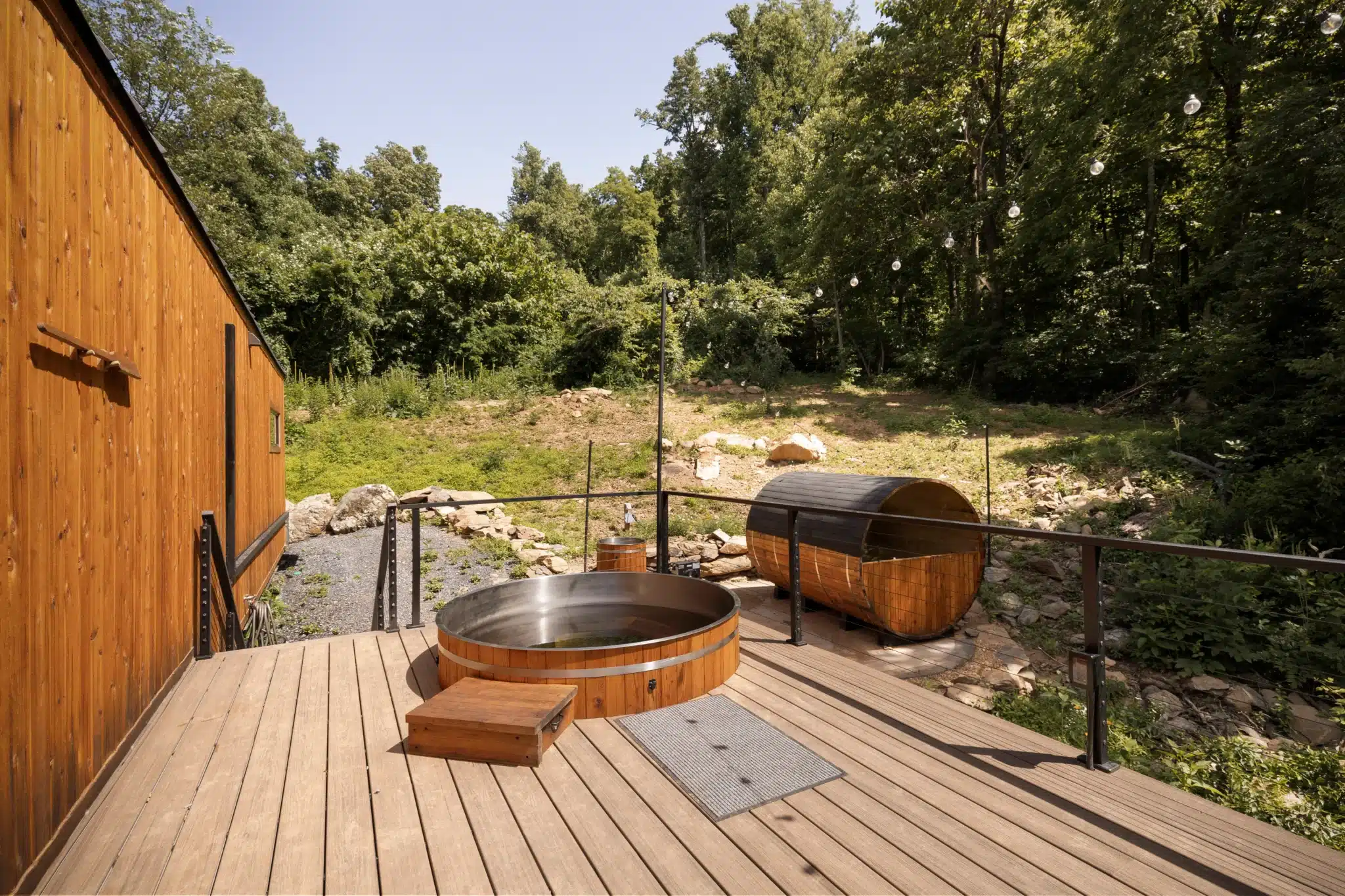
For stargazing specifically, the valley’s low light pollution away from D.C.’s glow makes winter’s long, clear nights genuinely worth building a trip around. A sunken hot tub positioned to face open sky, which is exactly how the hot tub at Royal Oak Retreat is built, turns a cold January night into one of the better stargazing setups in the region without leaving the deck.
Myth: Winter Cabin Rentals Are Cold, Rustic, and Uncomfortable
This myth doesn’t hold up against how modern Virginia cabin rentals are actually built. A well-constructed cabin with floor-to-ceiling windows, a working fireplace, and dedicated wellness amenities delivers warmth and comfort that rivals, and often beats, a hotel room in town.
At Royal Oak Retreat in Shenandoah Farms, the 1,000-square-foot cabin pairs a king bedroom with a loft queen bed reached by a spiral staircase, sleeping up to four adults comfortably. The build is fully non-toxic, using no plastics or chemicals in construction, which matters in winter when guests spend more hours indoors with windows closed.
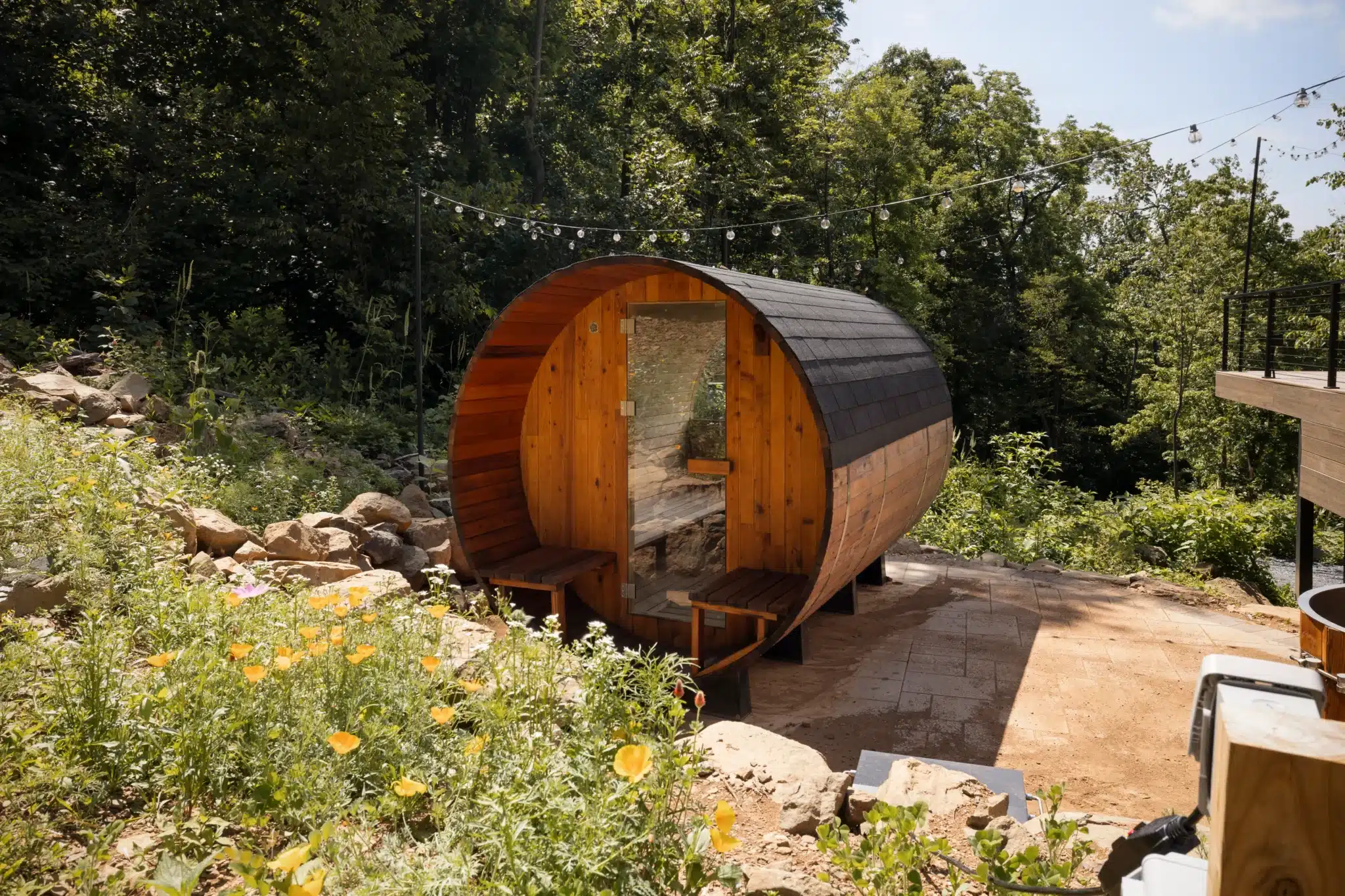
The property’s contrast-therapy island, a Scandinavian-style sauna paired with a cold plunge, gives winter guests a genuine reason to go outside rather than avoid it. Alternating heat and cold triggers a rapid vascular response that many guests describe as a mental reset, not just a spa gimmick, and it’s a specifically cold-weather-friendly amenity since the sauna makes stepping into freezing air feel purposeful rather than miserable.
Practical winter notes worth knowing before booking: the driveway is steep gravel, so a 4×4 vehicle is required when snow or ice is present. The loft’s spiral staircase isn’t ideal for anyone with climbing difficulties. And the property is pet-friendly for one dog under 50 lbs with a $100 pet fee, useful for travelers who’d rather not board their dog over a winter weekend.
Fully equipped kitchens, including the electric stovetop, fridge, and all-in-one microwave, oven, and air fryer setup here, mean guests can cook a full dinner instead of driving back into town after dark. Combined with Starlink internet and an on-site EV charger, it’s built for guests who want comfort without sacrificing quiet.
Where to Go for a Weekend Getaway in Virginia?
Front Royal and Shenandoah Farms rank among the strongest weekend getaway options in Virginia, combining a sub-two-hour drive from Washington D.C., Northern Virginia, and Maryland suburbs with year-round access to hiking, wine, and caverns. The Shenandoah Valley’s overall visitor spending pattern backs this up: Virginia generated $33.3 billion in visitor spending in 2023, a nearly 10% jump from 2022, according to the Virginia Tourism Corporation.
For couples specifically, a weekend built around a private cabin with wellness amenities tends to outperform a hotel-and-restaurant itinerary. Our guide to Virginia romantic getaways breaks down why a secluded cabin setting, rather than a downtown hotel, tends to deliver the disconnect DC-area travelers are actually looking for.
A typical weekend structure: arrive Friday evening, unwind with the sauna and hot tub that night, spend Saturday on a moderate hike like Dark Hollow Falls followed by a winery stop, and reserve Sunday morning for a slower coffee-and-fire-pit start before the drive home. It’s a rhythm that works whether the trip is a plain weekend reset or an anniversary marker.
If a milestone is the occasion, note that the surrounding wine corridor doubles as a built-in celebration anchor; a bottle from Crimson Lane Vineyards paired with the cabin’s fire pit covers most of what a celebration weekend needs without extra planning. Our Birthday Celebration Package and Romance Package build directly on this pattern for guests who want the details handled in advance.
What Do Locals Say Winter Travelers Get Wrong?
Locals in the Shenandoah Valley say the most common winter travel mistake is underestimating how quickly mountain weather can differ from valley-floor conditions. A clear, 45-degree afternoon in Front Royal can mean icy, windy conditions along Skyline Drive at elevation, and that gap catches unprepared visitors every season.
Specifically, checking the NPS activity page the morning of a drive matters more in winter than any other season, since road closures happen fast during snow events and reopen just as fast once crews clear them. Treating Skyline Drive as guaranteed open, the way many visitors do in October, is the single most avoidable planning error.
Another local observation: shoulder-season demand has genuinely picked up. Shenandoah County recorded a 431% jump in March overnight stays in 2023 compared to 2022, according to Arrivalist data tracked by the county’s tourism council, meaning the “empty valley” assumption is becoming less true every year. Booking a cabin two to three weeks ahead for a February weekend is now a reasonable precaution rather than overkill.
Finally, locals note that many visitors skip the small stuff, like the Coal Ridge Brewery in Page Valley, in favor of chasing only the park and the caverns. A slower Saturday that includes a local brewery stop rounds out a trip that otherwise looks identical to every other Shenandoah itinerary.
What Are the Best Months for a Virginia Winter Trip?
December, January, and February each offer a distinct version of Shenandoah Valley winter travel, and the right month depends on whether the priority is holiday atmosphere, deep quiet, or stargazing conditions. Treating “winter” as one undifferentiated season, which most travel guides do, misses these differences.
December delivers the most festive atmosphere, with Front Royal and Luray’s Main Streets decorated and local shops running holiday hours, though the week between Christmas and New Year’s draws noticeably more overnight traffic than the rest of the season. January is the quietest month by a wide margin, with the fewest overlook crowds and the clearest cold-front skies for stargazing from a hot tub or fire pit. February starts to see the early edge of spring booking interest, particularly by month’s end, as travelers plan ahead for the March surge in overnight stays the region has recorded in recent years.
For a full month-by-month planning breakdown across all four seasons, not just winter, see our complete 2026 guide to Shenandoah National Park, which covers foliage timing, wildflower season, and the shoulder-month booking windows that affect pricing and availability.
How Should You Choose Where to Stay for a Winter Virginia Trip?
Choosing where to stay for a winter Shenandoah Valley trip comes down to three factors: proximity to Skyline Drive’s entrance points, vehicle capability for steep or gravel driveways, and whether the property offers indoor-outdoor wellness amenities that make short winter days feel worthwhile rather than wasted.
First, prioritize distance to the park entrance you’ll actually use. A cabin 40 minutes from the Front Royal entrance, like Royal Oak Retreat, keeps a half-day winter hike realistic even with a 5 pm sunset. Staying an hour or more away cuts real hiking time out of an already short daylight window.
Second, confirm the driveway situation before booking. Winter access to mountain and forest properties often requires a 4×4 vehicle, and this detail rarely appears prominently in listing photos. Ask directly, or check the property’s stated policies, before assuming a standard sedan will make it up a snow-covered gravel drive.
Third, weigh wellness amenities against a plain hotel room. A sauna and cold plunge setup, like the contrast-therapy island at Royal Oak Retreat, gives winter travelers an active reason to be outside rather than hiding indoors from the cold, which changes the entire feel of a short winter trip. For readers comparing lodging types more broadly, our guide to cabin rentals in Shenandoah Valley and our roundup of cabins near Shenandoah National Park cover a wider set of property types and price points.
Common Mistakes to Avoid on a Virginia Winter Trip
- Assuming Skyline Drive is always open. Check the NPS activity page the morning of travel, not the week before.
- Booking a standard sedan for a mountain driveway. Confirm whether 4×4 is required before arrival, especially after snow.
- Planning a sunset hike in December or January. With sunset around 5 pm, build in a return buffer of at least an hour before dark.
- Skipping trail traction gear. Dark Hollow Falls and similar routes ice over on shaded sections even when the valley floor looks clear.
- Overpacking the itinerary. Two solid activities per day, one outdoor and one indoor or evening-based, works better than five in short daylight.
- Ignoring shoulder-season booking windows. With overnight stays rising sharply in recent shoulder months, booking two to three weeks ahead for a February or March weekend is worth doing.
Quick Facts: Virginia Winter Travel at a Glance
| Detail | Figure |
|---|---|
| Shenandoah National Park visits (2023) | 1,576,008, per NPS |
| Park visitor spending in nearby communities (2023) | $114 million, per NPS Visitor Spending Effects Report |
| Shenandoah County March 2023 overnight stay increase | 431% year over year, per Arrivalist data |
| Virginia statewide visitor spending (2023) | $33.3 billion, per Virginia Tourism Corporation |
| Average Shenandoah Valley short-term rental rate | Roughly $200 per night, per Pulsereal |
| Drive time, Washington D.C. to Front Royal | About 1 hour |
| Drive time, Royal Oak Retreat to Shenandoah National Park entrance | About 40 minutes |
Frequently Asked Questions
Is Skyline Drive open in winter?
Skyline Drive stays open through most of winter but can close temporarily during snow or ice events. The National Park Service updates closures on its official activity page, which is worth checking the morning of your visit rather than relying on older forecasts.
What is the best month to visit Shenandoah Valley in winter?
January typically offers the quietest trails and clearest stargazing conditions, while December brings a more festive small-town atmosphere in Front Royal and Luray. February starts to see early spring booking interest, so travelers wanting the emptiest valley experience should target mid-January weekdays.
Do you need a 4×4 vehicle for Virginia mountain cabins in winter?
Many mountain and forest cabin properties, including those on steep gravel driveways in Shenandoah Farms, require a 4×4 vehicle during winter months when snow or ice is present. Always confirm this with the property before booking a standard sedan for a winter stay.
Are wineries open near Shenandoah National Park in winter?
Yes, wineries such as Fox Meadow Winery in Linden and Crimson Lane Vineyards in Hume typically run winter tasting room hours, often with fireplaces replacing outdoor patio seating. Hours are usually shorter than peak season, so calling ahead is a good idea.
Is Luray Caverns open year-round?
Luray Caverns operates tours throughout the year regardless of surface weather conditions, since the cave system maintains a stable interior temperature. It makes a reliable indoor activity for a cold or rainy winter day in the valley.
How far is the Shenandoah Valley from Washington D.C.?
Front Royal and the surrounding Shenandoah Valley sit roughly an hour from Washington D.C. via I-66, making it realistic for a Friday evening departure and a full weekend trip without excessive drive time.
What should I pack for a winter hike in Shenandoah National Park?
Pack layered clothing, waterproof boots, and microspikes or trail traction devices, since shaded sections of trails like Dark Hollow Falls ice over even when the valley floor looks clear. A headlamp is also worth carrying given how early darkness falls in December and January.
Is a Virginia winter cabin getaway good for couples or celebrations?
Yes, a private cabin with wellness amenities like a sauna, cold plunge, and hot tub tends to suit couples and milestone celebrations better than a standard hotel stay, particularly in winter when stargazing and fireside evenings become the trip’s centerpiece rather than an afterthought.
The Bottom Line on Virginia Winter Travel
The best places to visit in Virginia in winter cluster around Shenandoah National Park and the Front Royal wine corridor, where Skyline Drive’s opened-up sightlines, quieter trails, and off-peak wineries deliver more than most travelers expect from a January trip. The myths, that the valley shuts down, that winter hiking is only for experts, that cabins mean cold and rustic, don’t hold up against how the region actually operates.
With Shenandoah National Park drawing over 1.5 million visits in 2023 and shoulder-season overnight stays climbing sharply in recent years, per the Shenandoah County Tourism Council, the valley’s winter secret is getting out. That’s still a good thing for 2026 travelers willing to plan two to three weeks ahead and pack for real mountain weather rather than valley-floor conditions.
A short winter weekend here doesn’t need to be padded with filler activities. One hike, one winery stop, one slow evening by the fire or in the hot tub, and the trip earns its place on the calendar.
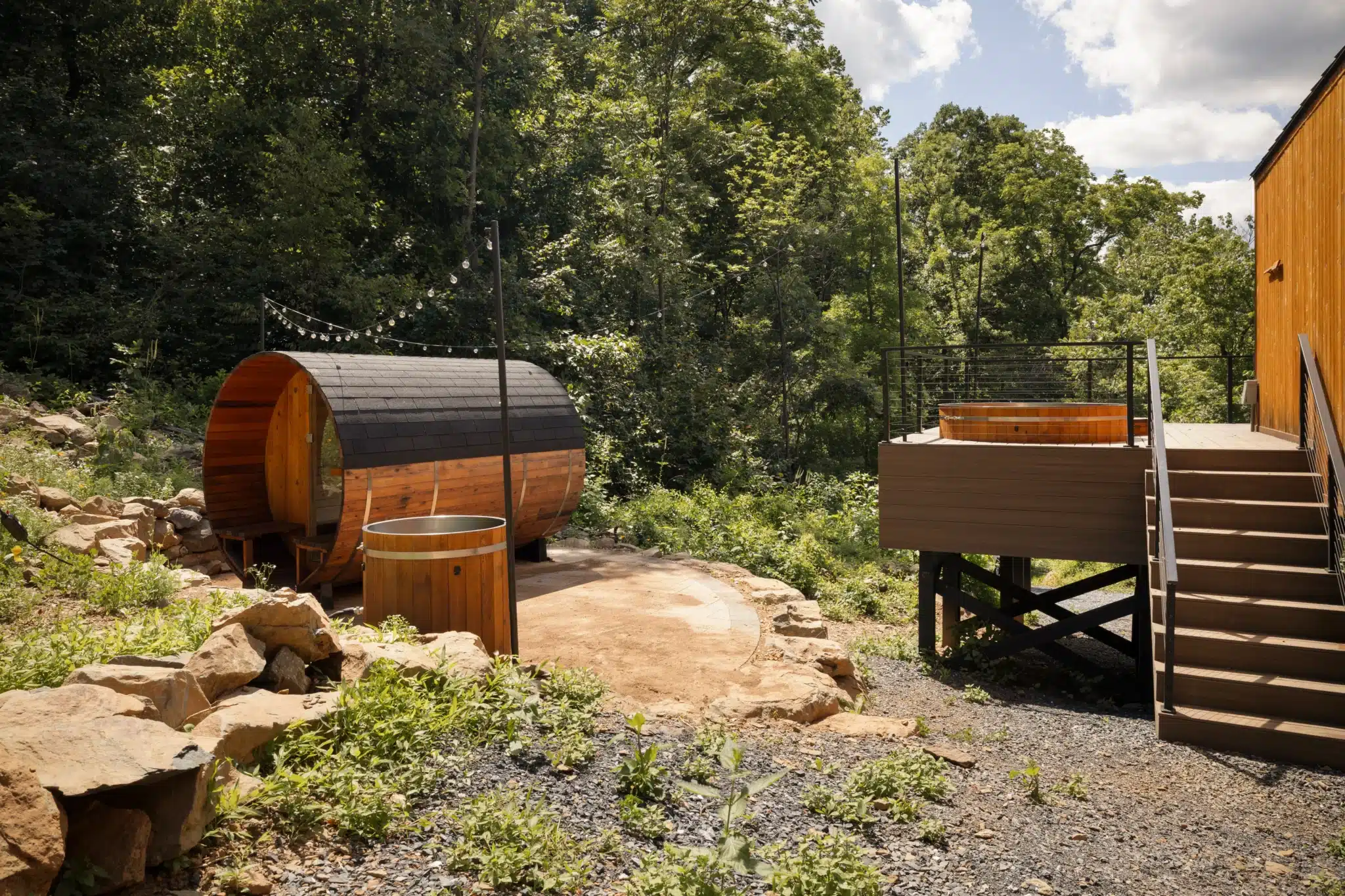
If a winter Shenandoah trip is on your calendar, Royal Oak Retreat sits about 40 minutes from the park’s Front Royal entrance, close enough for a morning hike and back before dark, with a sauna and cold plunge waiting when you return. Check availability and book direct here.
Content powered by inkSTR.co