
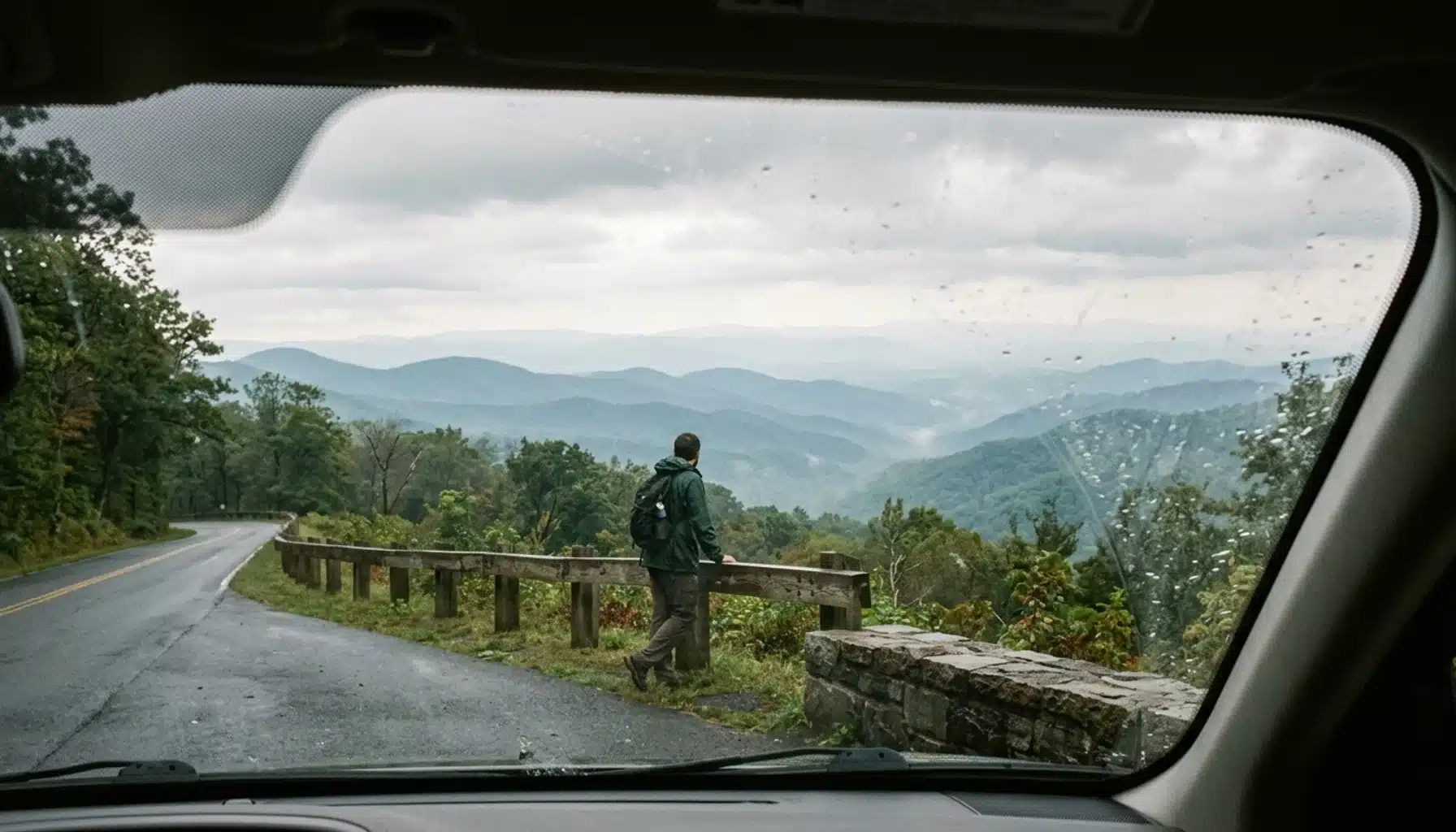
Colonial Williamsburg is widely cited as Virginia’s number one attraction, ranked first on Tripadvisor’s statewide attractions list with a 4.5 out of 5 traveler rating. But “number one” depends on the metric: Monticello tops at least one major countdown for historical significance, and Shenandoah National Park draws travelers seeking outdoor recreation rather than living history.
Key Takeaways
- Colonial Williamsburg ranks first on Tripadvisor’s Virginia attractions list, based on traveler reviews, ratings, page views, and user location, and holds a 4.5 out of 5 rating.
- Adventure Student Travel’s countdown names Monticello, Thomas Jefferson’s home in Charlottesville, as Virginia’s top attraction instead, showing that rankings shift depending on whether the criterion is popularity or historical weight.
- Shenandoah National Park welcomed 1.7 million visitors in 2026, generating $132 million in nearby community spending and a $175 million cumulative local economic benefit, according to the National Park Service.
- Virginia recorded 46.6 million domestic and international overnight visitors in 2026, with statewide visitor spending reaching $36.2 billion, up 3.1% from 2026.
- The Shenandoah Valley alone generated roughly $1.60 billion in 2023 visitor spending, per data cited in a Page County tourism presentation, making the region a major share of the state’s tourism economy.
- Where you stay changes which “number one attraction” makes sense for your trip; a base in the Shenandoah Valley favors Skyline Drive and Luray Caverns, while a Hampton Roads stay favors Williamsburg and Jamestown.
If you searched “what is the number one attraction in Virginia” hoping for a single clean answer, you’re going to get an honest one instead: it depends who’s counting and what they’re counting. Tripadvisor’s aggregated traveler-review system puts Colonial Williamsburg on top statewide. A different countdown from Adventure Student Travel gives that spot to Monticello. Virginia’s own tourism office, Virginia Is For Lovers, refuses to name a single winner at all, organizing attractions instead by interest: history, outdoor recreation, family travel, coastal escapes.
That refusal is actually the most useful data point in this whole conversation. Virginia doesn’t have one dominant attraction the way, say, a national park state might have one iconic canyon. It has several legitimate contenders, each dominant in its own category. This guide breaks down exactly which one wins by which measure, gives you the practical planning details competitors skip, and tells you honestly which one is worth building a trip around depending on who you are.
We approach this from the Shenandoah Valley, where Royal Oak Retreat sits in Front Royal, about 40 minutes from Shenandoah National Park’s Skyline Drive entrance and roughly an hour from Washington, D.C. That vantage point matters. If your trip centers on the Blue Ridge Mountains and Luray Caverns rather than Colonial Williamsburg’s Historic Triangle, your “number one attraction” decision looks entirely different, and in 2026, more travelers are choosing exactly that regional split.
What Is the Number One Attraction in Virginia?
The number one attraction in Virginia, by aggregated traveler popularity, is Colonial Williamsburg, ranked first on Tripadvisor’s statewide list and described by Virginia’s Hampton Roads tourism page as the nation’s largest living history museum. It holds a 4.5 out of 5 traveler rating and is one of the most visited historic sites in the country.
Tripadvisor’s methodology, as the platform itself states, factors in traveler reviews, star ratings, page views, and user location, not just raw visitor counts. That’s an important distinction. It means Colonial Williamsburg’s number one spot reflects sustained traveler enthusiasm and engagement, not a single visitation statistic pulled from a park service report.
Colonial Williamsburg spans a restored 18th-century colonial capital with costumed interpreters, working trade shops, and daily historical programming. It sits adjacent to Historic Jamestowne and Yorktown Battlefield, together forming what the Colonial National Historical Park calls the state’s most concentrated historic corridor. Yorktown specifically marks the site of General Cornwallis’s 1781 surrender, the effective end of the Revolutionary War.
If popularity by traveler review is your criterion, Colonial Williamsburg answers the question. If historical importance to a single founding figure is your criterion, the answer changes, which the next section covers directly.
What Are the Most Popular Attractions in Virginia?
Virginia’s most popular attractions cluster into four categories: historic sites, outdoor and mountain destinations, coastal and family attractions, and underground natural wonders. Each category has a clear leader, and together they explain why no single site monopolizes the “most popular” title statewide.
In the historic category, Colonial Williamsburg leads, followed closely by Monticello, the Charlottesville home of Thomas Jefferson, and Mount Vernon, George Washington’s estate roughly 13 miles from Washington, D.C. Mount Vernon connects to the capital via the Mount Vernon Trail, an 18-mile paved path running from Theodore Roosevelt Island to the estate that the official Alexandria visitor guide says hosts more than one million pedestrians and cyclists annually.
For outdoor and mountain travel, Shenandoah National Park and its 105-mile Skyline Drive lead the pack, with Luray Caverns and Natural Bridge rounding out the region’s underground and geological draws. For coastal and family travel, Virginia Beach, Busch Gardens, and Water Country USA dominate summer bookings.
Additionally, Norfolk’s Nauticus museum, home to the Battleship Wisconsin with tours led by Hampton Roads Naval Museum personnel, and the Virginia Aquarium & Marine Science Center add coastal depth beyond the beach itself. As of 2026, Virginia’s tourism economy overall remains historic-site and outdoor-recreation driven, with the Shenandoah Valley specifically gaining ground in short-term rental demand tied to hiking and wellness travel.
What Is Virginia Most Famous For?
Virginia is most famous for its concentration of American founding history: it’s the birthplace of eight U.S. presidents, home to the first permanent English settlement at Jamestown, and the site of Cornwallis’s surrender at Yorktown. Beyond history, the state is equally known for the Blue Ridge Mountains and Shenandoah National Park’s forested ridgelines.
Historically, Virginia’s reputation rests on three linked sites: Jamestown, founded in 1607 as the birthplace of English-speaking America according to the Hampton Roads tourism page; Williamsburg, the colonial capital; and Yorktown, where the Revolutionary War effectively ended in 1781. Monticello adds a fourth pillar, representing Jefferson’s architectural and intellectual legacy rather than colonial governance.
Geographically, Virginia is equally known for Skyline Drive, the scenic byway running the length of Shenandoah National Park, and for the Blue Ridge foothills that stretch from the park south toward Charlottesville. Guests staying near Front Royal, Virginia, at a property like Royal Oak Retreat get direct access to Skyline Drive’s northern entrance in under 20 minutes, putting the park’s 500-plus miles of Blue Ridge trails within easy morning-drive range.
Coastally, Virginia Beach and the Chesapeake Bay give the state its family-resort identity, while Hampton University, founded in 1868, adds another layer to the region’s historical density. No single fact defines Virginia’s fame; it’s the density of founding-era history packed into a state that also has genuine mountain and coastal recreation.
How Do Colonial Williamsburg, Monticello, and Shenandoah National Park Compare?
Colonial Williamsburg, Monticello, and Shenandoah National Park each lead a different travel category: living history, presidential legacy, and outdoor recreation, respectively. Choosing between them depends on trip length, travel companions, and whether you want structured programming or open-ended exploration.
Colonial Williamsburg works best for travelers who want immersive, scheduled historical programming, typically a full day or two to see the trade shops, taverns, and reenactments properly. Monticello suits a shorter, focused half-day visit centered on architecture and Jefferson’s personal history, often paired with downtown Charlottesville. Shenandoah National Park rewards multi-day stays, since Skyline Drive’s overlooks and trailheads spread across more than 100 miles.
| Attraction | Best For | Typical Visit Length | Ranking Basis |
|---|---|---|---|
| Colonial Williamsburg | Living history, families, first-time Virginia visitors | 1-2 days | Tripadvisor number one, 4.5/5 traveler rating |
| Monticello | History enthusiasts, architecture fans | Half day | Adventure Student Travel’s number one pick |
| Shenandoah National Park | Outdoor recreation, hikers, wellness travelers | 2-4 days | 1.7 million visitors in 2026, per NPS |
| Mount Vernon | D.C.-area day-trippers | Half day | 13 miles from Washington, D.C. |
| Virginia Beach | Coastal and family vacations | 2-5 days | Regional summer demand driver |
Notably, Shenandoah National Park’s 2026 visitation of 1.7 million produced $132 million in nearby community spending and a $175 million cumulative local economic benefit, according to National Park Service data, up from 1.5 million visitors and $114 million in spending the year before. That growth trend suggests outdoor and wellness-focused travel is gaining share against traditional historic-site visits as of 2026.
Which Part of Virginia Is Best to Visit?
The best part of Virginia to visit depends on your priority: Hampton Roads for concentrated colonial history, Charlottesville for Jefferson-era architecture, or the Shenandoah Valley for mountain scenery, caverns, and wellness-focused lodging. First-time visitors often default to Hampton Roads; repeat visitors increasingly choose the Shenandoah Valley.
Hampton Roads groups Williamsburg, Jamestown, and Yorktown into a drivable historic triangle, plus Virginia Beach and Norfolk’s Nauticus for coastal variety. It’s the densest single-region concentration of Virginia’s most-searched attractions, which is why the official tourism page organizes its content around that grouping rather than a statewide ranking.
The Shenandoah Valley, by contrast, centers on Skyline Drive, Luray Caverns, and a growing short-term rental market. According to AirDNA data from August 2026, the Shenandoah, Virginia market has 801 active short-term rental listings and scores 97 out of 100 on AirDNA’s Market Score for rental potential, with listings up 394.4% year over year from July 2026 to July 2026. That surge reflects real demand growth for valley-based stays, not just historic-triangle tourism.
For travelers weighing where to base a trip, our guide to cabin rentals in Shenandoah Valley Virginia covers the lodging landscape in more depth, and our seasonal guide to things to do in Shenandoah Valley maps out a full itinerary beyond the park itself.
What Is the Number One Attraction in the US, and How Does Virginia Compare?
The number one attraction in the United States is typically a national-scale destination like a major national park or theme park, depending on the ranking source; Virginia’s Colonial Williamsburg and Shenandoah National Park compete at a regional rather than national top tier, but both draw millions of annual visitors and rank among the most-cited historic and natural sites east of the Mississippi.
Virginia’s specific advantage over many states is density: within a single day’s drive, a visitor can reach Colonial Williamsburg, Monticello, Shenandoah National Park, and Washington, D.C. Few states pack that much founding-era history and mountain recreation into a comparably compact footprint. The National Park Service’s visitation statistics resource is the authoritative source for comparing recreation visits across park sites nationally, and it’s worth checking directly if you’re weighing Shenandoah against a bucket-list park elsewhere.
For context, the Shenandoah Valley Battlefields National Historic District averaged just over 2 million visitors annually over a recent three-year period and generated $293.2 million in annual economic impact, per a National Park Service and Tripp Umbach study, supporting 3,930 jobs. That’s a meaningful regional economy built on a single historic district, comparable in scale to some entire state tourism sectors.
Does Colonial Williamsburg or Shenandoah National Park Fit Your Trip Better?
Colonial Williamsburg fits families and first-time visitors seeking structured, ticketed programming with defined hours and a walkable historic district. Shenandoah National Park fits couples, solo travelers, and burnout-recovery trips seeking open-ended outdoor time without a fixed schedule. Neither is objectively “better”; they solve different trip goals.
Practically, Colonial Williamsburg requires advance ticket planning, has defined daily programming hours, and works best with two full days to see the trade shops and Yorktown properly. Shenandoah National Park, by contrast, requires only an entrance pass, typically purchased in advance through Recreation.gov’s Shenandoah 7-day vehicle pass to skip gate lines, and rewards flexible, weather-dependent planning. Travelers visiting multiple national parks in a year should look at the America the Beautiful annual interagency pass instead of paying per-park.
If your trip is about disconnecting rather than sightseeing on a schedule, the park wins outright. Guests based near Front Royal can reach Skyline Drive in under 20 minutes and structure days around specific trailheads like the Dark Hollow Falls Trail or the shorter Blackrock Summit Trail, a 1-mile round trip with 175 feet of elevation gain near mile marker 84.4, rather than committing to Williamsburg’s full-day historic circuit.
Notably, this is exactly the trip pattern we see at Royal Oak Retreat: guests who choose a Shenandoah Farms cabin over a Williamsburg-area hotel because they want the sauna and cold plunge waiting after a hike, not another ticketed attraction on the itinerary.

How Should You Decide Which Virginia Attraction to Prioritize?
Deciding which Virginia attraction to prioritize starts with identifying your trip’s core goal: history immersion, outdoor recreation, coastal relaxation, or wellness reset. From there, match the destination to your available time, since Colonial Williamsburg needs a minimum of one full day while Shenandoah National Park rewards two or more.
Use this practical decision framework:
- If you have one day and want structured programming: choose Colonial Williamsburg or Monticello, both walkable with defined hours and ticketed entry.
- If you have two to four days and want open-ended exploration: choose Shenandoah National Park, basing yourself in Front Royal or Luray for easy Skyline Drive access.
- If you’re traveling with a partner for a milestone occasion: the Shenandoah Valley offers wineries like Fox Meadow Winery in Linden, about 5 minutes from Front Royal lodging, and Crimson Lane Vineyards in Hume, roughly 8 minutes out, paired with wellness amenities that a historic-district hotel simply doesn’t offer.
- If you’re bringing a dog: confirm pet policies before booking; Shenandoah Valley cabin rentals are generally more flexible on pets than Historic Triangle hotels.
- If budget is a concern: Shenandoah National Park entrance fees are far lower than a Colonial Williamsburg multi-day ticket package, though lodging costs vary by season, peaking around October for fall foliage according to AirROI seasonality data.
Common mistakes to avoid: don’t try to combine Williamsburg and Shenandoah into a single 2-day trip, they’re roughly 2.5 to 3 hours apart and each deserves undivided time. Don’t visit Luray Caverns and Skyline Drive on the same afternoon expecting a leisurely pace, both are worth a half-day minimum on their own. And don’t skip checking Shenandoah’s visitor center hours before a trip; Dickey Ridge and Harry F. Byrd centers have seasonal schedules that shift outside peak months.
What Should You Know Before Visiting Shenandoah National Park?
Shenandoah National Park requires an entrance fee (best purchased in advance online to avoid gate-line waits), has two main visitor centers, and offers over 500 miles of trails ranging from the easy 1-mile Blackrock Summit loop to the more demanding Upper Hawksbill Summit Trail, the park’s highest point. Fall foliage season, typically peaking in mid to late October, is the park’s busiest and most weather-variable window.
First, check the official NPS activities page before your trip for current trail conditions and closures. Second, plan around the Dickey Ridge and Harry F. Byrd Visitor Centers, which anchor the park’s northern and central sections respectively. Third, if you want scenic overlooks without a strenuous hike, Franklin Cliffs Overlook delivers a wide Blue Ridge panorama a short walk from parking.
For trail selection, the Bearfence Rock Scramble gives casual hikers a 360-degree summit view in about 25 minutes of moderate scrambling, a strong middle-ground option between the easy Blackrock loop and the longer Hawksbill climb. Bring paper maps as backup; cell service is unreliable throughout most of the park’s ridgeline. The Shenandoah National Park Association sells detailed trail maps and guidebooks at visitor centers if you want a physical backup.
As of 2026, park entry logistics have shifted toward advance online passes rather than pay-at-gate cash transactions, so plan that purchase before you drive up. And for historical context on the park’s founding, including the displaced mountain communities relocated during its 1930s establishment, the NPS’s own history and culture page is worth reading before your visit.
Where Should You Stay for a Trip Centered on Virginia’s Top Attractions?
For a trip centered on Shenandoah National Park, Skyline Drive, and Luray Caverns, staying in Front Royal or the surrounding Shenandoah Farms area puts you closest to the park’s northern entrance while keeping Washington, D.C. within about an hour’s drive for bookend day trips. Hotel-style lodging inside the park itself, at Skyland or Big Meadows Lodge, is a legitimate alternative for travelers who want to be inside the boundary overnight.
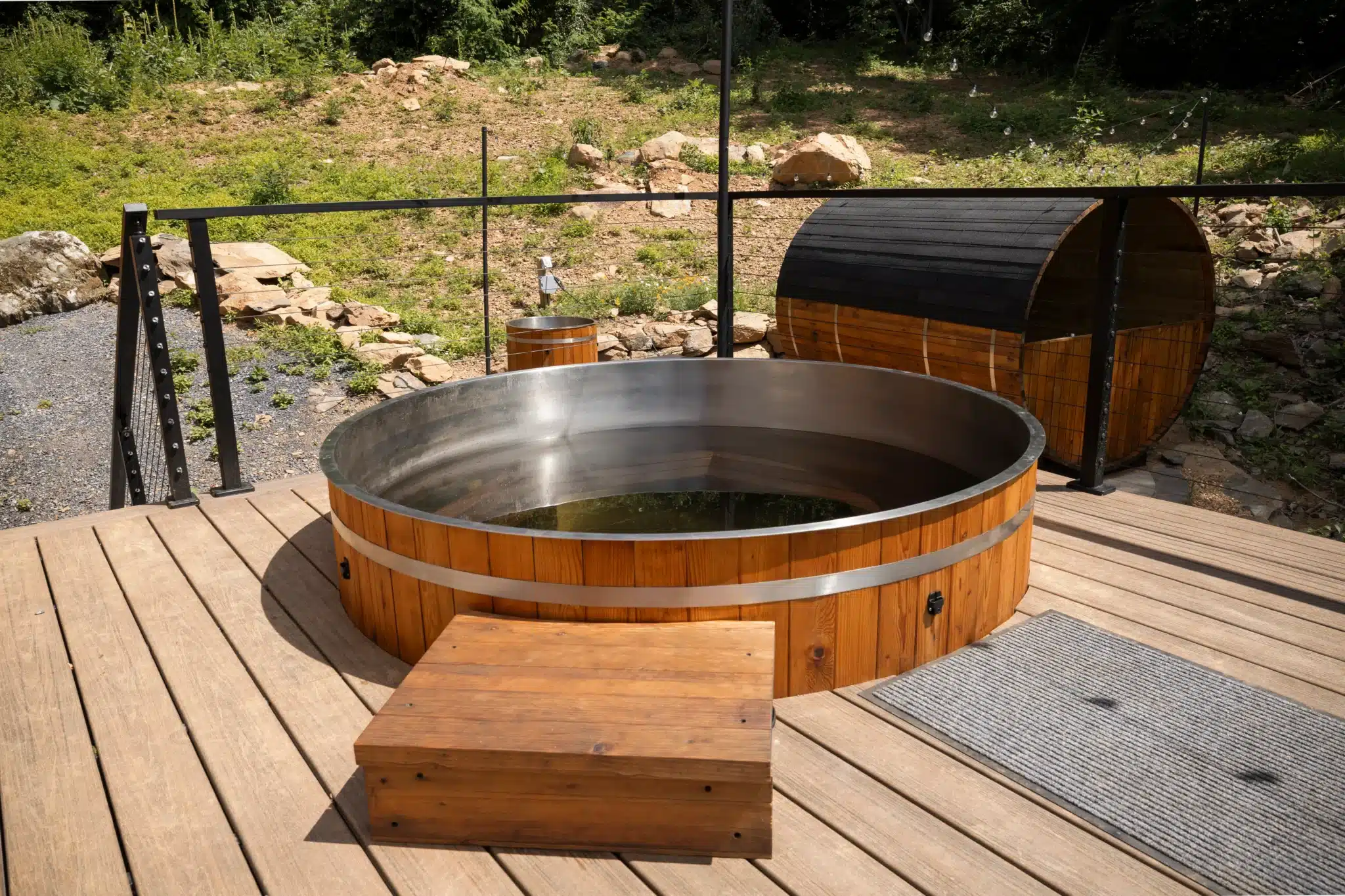
Royal Oak Retreat, a 2-bedroom, 1-bathroom cabin in Shenandoah Farms sleeping up to 4 guests, sits roughly 40 minutes from Skyline Drive and about an hour from D.C., making it a practical base for exactly the itinerary this article describes: morning hikes, afternoon caverns or winery visits, and evening recovery. The cabin’s contrast-therapy island, a sunken stargazing hot tub, Scandinavian sauna, and cold plunge, gives hikers a real recovery routine after a full day on Skyline Drive’s trails, something neither a Williamsburg hotel nor a park lodge offers as a combined amenity.
The property is built fully non-toxic, with no plastics or chemicals used in construction, and includes Starlink internet and an on-site EV charger, both practical considerations for D.C.-area travelers driving electric vehicles into a rural setting. It’s pet-friendly for one dog under 50 lbs with a $100 pet fee, and best rates come from booking direct rather than through a third-party platform. Explore the full Royal Oak Retreat listing for current availability.
If you’d rather stay in-park, the official NPS lodging page and its concessionaire, Delaware North, handle bookings for Skyland, Big Meadows Lodge, and Lewis Mountain Cabins, a more rustic option with private baths near mile 57.5. Rustic backcountry alternatives also exist through the Potomac Appalachian Trail Club’s primitive cabin system, though those require more planning and gear.
What Should You Prioritize When Planning a Multi-Attraction Virginia Trip?
Prioritize geographic clustering first: group Hampton Roads sites (Williamsburg, Jamestown, Yorktown, Virginia Beach) into one leg of the trip and Shenandoah Valley sites (Skyline Drive, Luray Caverns, wineries) into a separate leg, since they sit roughly 2.5 to 3 hours apart. Trying to hit both regions in under four days usually means rushing through one of them.
Second, prioritize seasonal timing. October delivers peak foliage in the Shenandoah Valley but also peak crowds and the highest average nightly rates of the year, per AirROI seasonality data. Spring, particularly around the annual Festival of Spring in Luray, offers milder crowds with genuinely pleasant hiking weather. Late winter, January through March, sees the lowest occupancy and softest rates region-wide, useful if you want a quiet burnout-recovery trip rather than a social one.
Third, prioritize your actual goal over a checklist. A family wanting maximum ticketed programming should weight Williamsburg and Busch Gardens heavily. A couple wanting a milestone celebration or a genuine reset should weight Shenandoah higher, since a valley cabin with real wellness infrastructure supports quiet time in a way a theme park itinerary doesn’t. Our guide to Virginia romantic getaways goes deeper on planning that second type of trip specifically.
Finally, budget realistically for park entrance passes, lodging that shifts seasonally, and at least one caverns or winery stop; Luray Caverns alone is worth a dedicated half-day, not a rushed hour between other stops.
Frequently Asked Questions
What is the number one attraction in Virginia according to Tripadvisor?
Tripadvisor ranks Colonial Williamsburg as Virginia’s number one attraction, with a 4.5 out of 5 traveler rating based on reviews, ratings, page views, and user location. It’s described as the nation’s largest living history museum, located adjacent to Historic Jamestowne and Yorktown Battlefield.
What are the most popular attractions in Virginia?
The most popular attractions in Virginia include Colonial Williamsburg, Monticello, Mount Vernon, Shenandoah National Park, Luray Caverns, Natural Bridge, and Virginia Beach’s coastal attractions like Busch Gardens and the Virginia Aquarium. Each leads a different travel category rather than one dominating statewide.
What is Virginia most famous for?
Virginia is most famous for its concentration of founding-era American history, including Jamestown, Williamsburg, Yorktown, and Monticello, as well as the Blue Ridge Mountains and Shenandoah National Park’s Skyline Drive. It’s also the birthplace of eight U.S. presidents.
What is the number one attraction in the US?
National rankings vary by source and typically point to major national parks or large theme parks depending on visitor count versus traveler-review methodology. Virginia’s own top sites, Colonial Williamsburg and Shenandoah National Park, rank among the most-visited historic and natural attractions in the eastern United States, though neither typically claims the single national top spot.
Which part of Virginia is best to visit?
Hampton Roads suits travelers prioritizing concentrated colonial history and coastal family activities. The Shenandoah Valley suits travelers prioritizing mountain scenery, caverns, wineries, and wellness-focused lodging, with the region seeing significant short-term rental growth as of 2026, per AirDNA market data.
What county is Linden, VA in?
Linden, Virginia is located in Warren County, in the Shenandoah Valley region near Front Royal. It’s a small unincorporated community known for nearby wineries and proximity to Skyline Drive’s northern entrance.
Are there vacation rentals available near Shenandoah National Park?
Yes, the Shenandoah, Virginia short-term rental market had 801 active listings as of August 2026, according to AirDNA, with listings up 394.4% year over year. Options range from in-park lodges like Skyland and Big Meadows to private cabins in Front Royal and Shenandoah Farms, such as Royal Oak Retreat.
Which Virginia luxury stay is best if I want both privacy and enough activities to justify the nightly rate?
A Shenandoah Valley cabin near Front Royal typically balances privacy and activity access better than an in-park lodge, since you get a secluded property plus proximity to Skyline Drive, Luray Caverns, and regional wineries. Look for properties combining wellness amenities, like a hot tub and sauna, with genuine drive-time proximity to the park, ideally under 45 minutes.
Conclusion: So, What Is Virginia’s Number One Attraction?
By aggregated traveler popularity, Colonial Williamsburg holds the number one spot on Tripadvisor’s Virginia rankings, with Monticello claiming that title on at least one other major countdown. Shenandoah National Park, meanwhile, drew 1.7 million visitors in 2026 and generated a $175 million cumulative local economic benefit, proof that outdoor recreation competes seriously with historic sites for Virginia’s tourism dollar.
The honest answer, as this guide has laid out, is that Virginia’s “number one attraction” shifts depending on whether you’re measuring traveler reviews, historical weight, or visitation growth. What doesn’t shift is that the Shenandoah Valley offers a genuinely different kind of Virginia trip, one built around Skyline Drive, Luray Caverns, and quiet recovery time rather than ticketed programming. As Virginia’s tourism economy continues expanding into 2026, that valley-based option keeps gaining ground against the traditional Historic Triangle circuit.
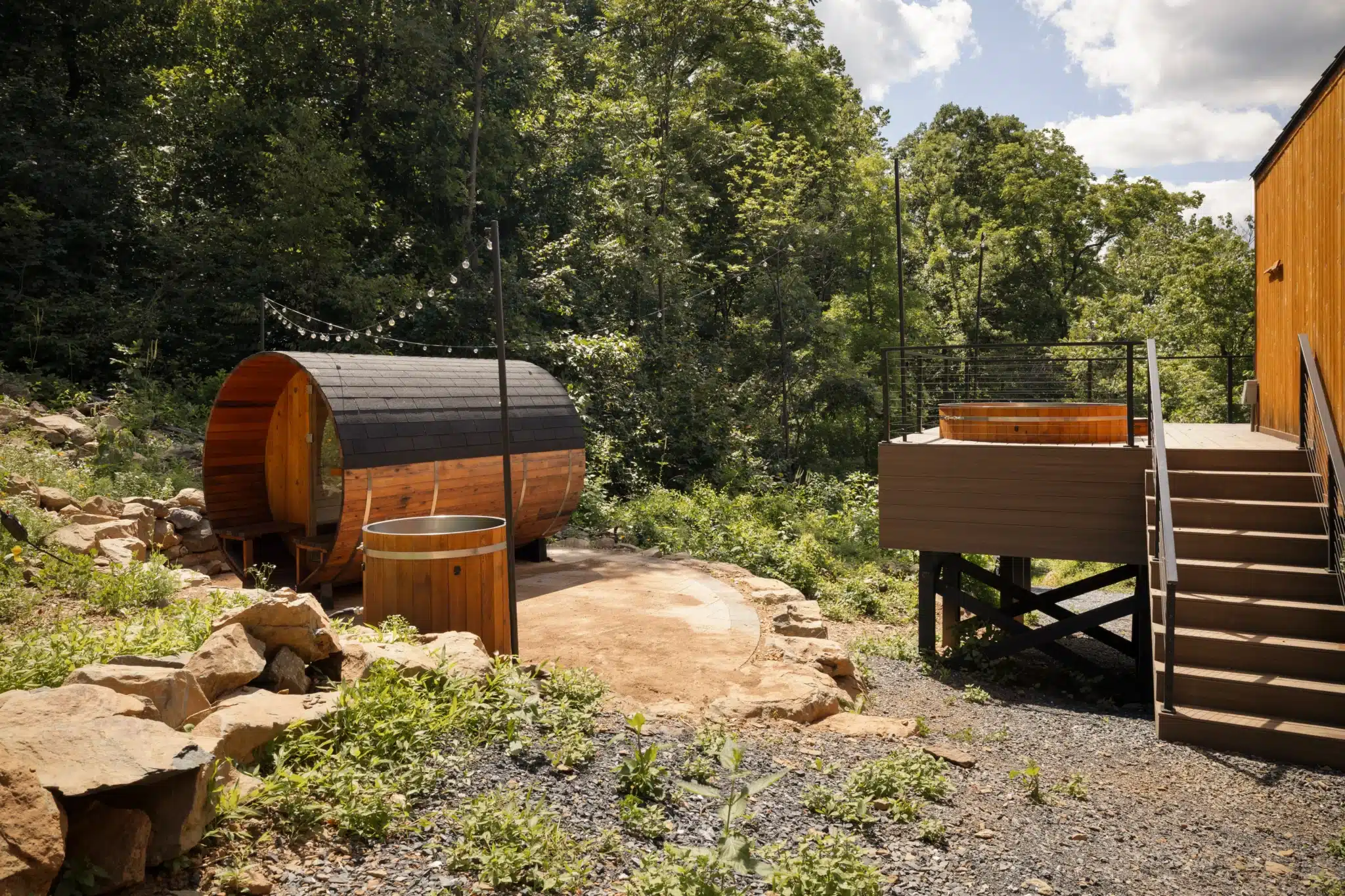
If your version of Virginia’s top attraction is Skyline Drive and a day at Luray Caverns rather than a ticketed historic district, Royal Oak Retreat puts you 40 minutes from the park entrance with a sauna and cold plunge waiting for you after the hike. Check current availability here.
Content powered by inkSTR.co